 Sarasota Siding
 Roofing on a Barrier Island Is a Different Job
Longboat Key sits out on the Gulf, exposed on both sides to open water. That position is what makes the island beautiful, and it's also what makes its roofs work harder than almost anywhere else in the Sarasota area. Homes here take on sustained wind loads, wind-driven rain that gets pushed sideways under flashing and up under shingle tabs, salt-laden air that accelerates corrosion on fasteners and metal components, and some of the most intense year-round UV exposure in the state. None of that damage happens in isolation — it compounds. A roof that's already lost some granule protection to UV is more vulnerable the next time a storm pushes rain into a weak seam.
Storm damage repair on Longboat Key isn't just patch-and-go work. It's diagnosing what the storm actually did versus what was already failing before the storm arrived, and repairing both the visible damage and the conditions that let water in.
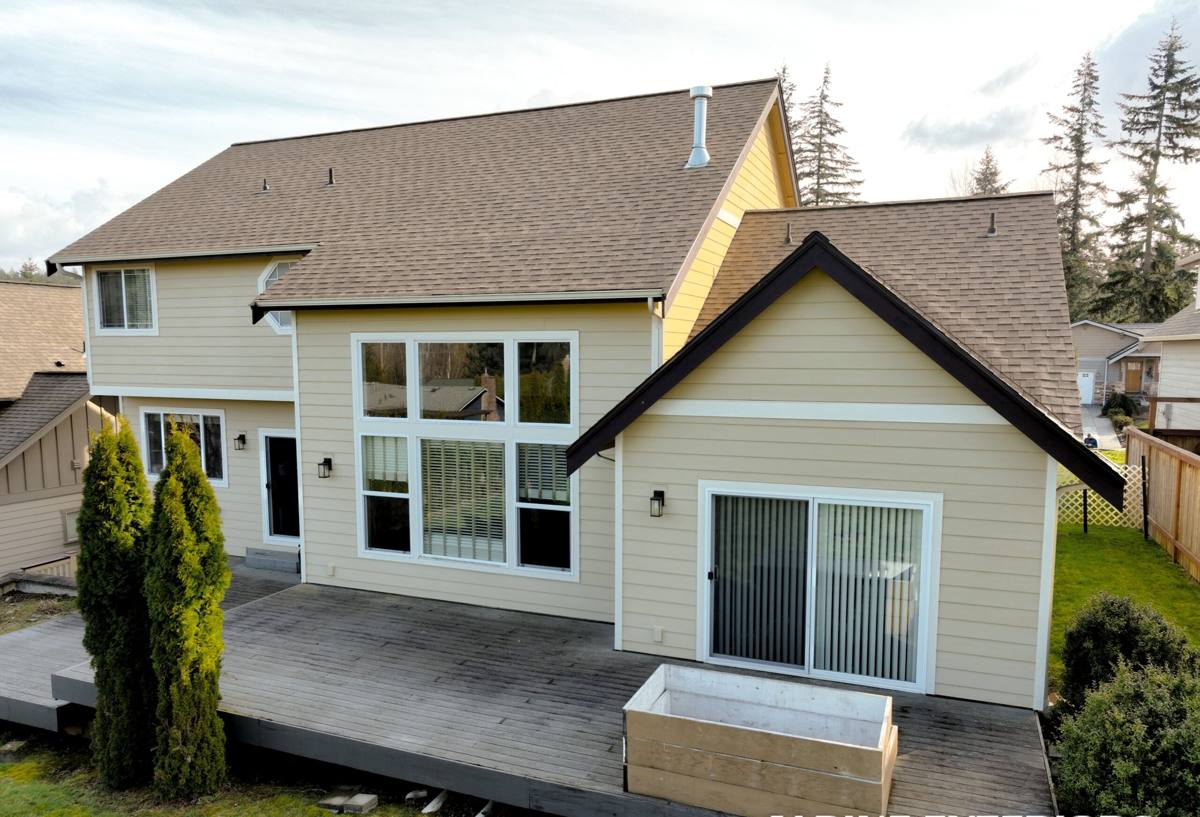
What Storm Damage Actually Looks Like
Homeowners usually call us after they've spotted something obvious — a ceiling stain, missing shingles, a lifted section of ridge cap. But a lot of the damage that causes real problems later isn't visible from the ground or even from a quick walk of the attic.
Visible signs
- Missing, cracked, or curled shingles, especially near hips, ridges, and valleys
- Lifted or torn flashing around chimneys, vents, and roof-wall intersections
- Dented or creased metal roofing panels and seams
- Debris impact marks — bruising on shingles that hasn't broken through yet but has weakened the mat underneath
- Sagging or soft spots in the roof deck
- Water stains on interior ceilings or in the attic that weren't there before the storm
Damage that hides
Wind-driven rain doesn't need a hole to get in — it just needs a seam that's under negative pressure during high wind. Underlayment can tear beneath intact-looking shingles. Fastener heads can back out just enough to break the seal without popping the shingle loose. Sealant on flashing can crack from UV exposure long before a storm ever tests it. This is why a proper storm damage inspection covers the deck, the underlayment where accessible, the flashing details, and the ventilation system — not just what's visible from a ladder.
Why Waiting Costs More Than the Repair
A small storm-related opening in a roof system doesn't stay small. Water that gets under shingles or through a flashing gap will follow the roof deck, run along rafters, and show up somewhere other than directly below the entry point — which is why interior stains often understate the real footprint of the damage. On a barrier island, humidity and heat make that moisture problem worse, faster. Wet insulation stops performing. Wet decking can develop soft spots and eventually rot. And any standing moisture in an attic space is an invitation for mold growth, which is a separate and more expensive problem than a roof leak.
There's also an insurance timing issue. Most carriers expect prompt reporting and documentation of storm damage. A repair that happens weeks or months after the fact, with damage that's had time to spread, is harder to tie clearly back to the storm event — and harder to get fully covered.
Repair or Replace? How We Make That Call
Not every storm-damaged roof needs to come off. Isolated damage on a roof that's otherwise in good condition is usually a straightforward repair. But there's a point where patching stops making financial sense, especially on a roof that was already past its effective service life or that's taken repeated storm hits over the years.
| Factor | Favors Repair | Favors Replacement |
|---|---|---|
| Extent of damage | Localized — one slope, one flashing detail, a handful of shingles | Spread across multiple slopes or affecting the deck in more than one area |
| Roof age | Roof is well within its expected service life | Roof was already nearing the end of its life before the storm |
| Prior storm history | First significant damage the roof has taken | This is the latest in a pattern of repeated storm repairs |
| Underlayment condition | Underlayment is intact and sound where inspected | Underlayment is brittle, torn, or failing in multiple spots |
| Material availability | Matching shingles or panels are still available | Product is discontinued and a full color/profile match isn't possible |
We'll walk you through where your roof falls on that spectrum and give you a straight answer — not an upsell. If a repair is the honest, durable fix, that's what we'll recommend.
How We Approach Storm Damage Repair on Longboat Key
1. Inspection and documentation
We inspect the full roof system, not just the area you noticed damage in — one weak point from a storm is rarely the only one. We photograph and document findings clearly enough to support an insurance claim if you're filing one.
2. A clear scope before any work starts
You get a written explanation of what's damaged, what needs to happen to fix it correctly, and what it will cost. No vague line items.
3. Deck and structure first
Any compromised decking gets addressed before new roofing goes down over it. Roofing over a soft or damaged deck just hides a problem that will resurface, usually as a leak in a new spot.
4. Flashing and underlayment done right, not just fast
Flashing details around chimneys, walls, and penetrations are where most repeat leaks originate. We rebuild these to shed water correctly rather than relying on sealant to make up for a poor mechanical fit.
5. Matching materials where possible
For shingle repairs, we match profile and color as closely as the market allows. For metal roofing, we match panel type and finish. When an exact match isn't available, we'll tell you honestly rather than let you find out later.
6. Final walkthrough
We review the completed repair with you and confirm the roof is sealed and performing before we consider the job finished.
Roofing Materials on a Barrier Island: What Holds Up
Every roofing material handles wind, salt air, and UV differently. What's a fine choice inland can underperform on Longboat Key.
| Material | Wind performance | Salt-air / corrosion resistance | Maintenance |
|---|---|---|---|
| Architectural asphalt shingles (high wind-rated) | Good, when properly fastened and sealed | Moderate — metal components (fasteners, flashing) need corrosion-resistant hardware | Periodic inspection, especially after named storms |
| Standing seam metal | Excellent when installed with correct clip spacing and fastening | Strong when using coastal-rated finishes and stainless or coated fasteners | Low; watch fastener and sealant points at penetrations |
| Tile (concrete or clay) | Good, but individual tiles can crack from wind-borne debris impact | Good — tile itself resists corrosion, but underlayment and flashing still need attention | Underlayment life is the limiting factor, not the tile |
Whatever material is on your roof now, the fastener grade, flashing metal, and sealant used in a repair matter as much as the roofing material itself. Standard-grade hardware corrodes faster in coastal air and becomes the next leak point.
After a Storm: What to Do First
- Photograph visible damage from the ground — don't get on the roof yourself
- Check the attic for daylight, staining, or damp insulation if you can safely access it
- Note the date and general conditions of the storm for your records
- Cover active leaks temporarily from the inside if safe to do so (a bucket, moving belongings) rather than attempting roof-level tarping
- Call for an inspection before doing any permanent repair work yourself
- Hold off on signing anything with a contractor who showed up unsolicited door-to-door right after the storm — verify licensing and local presence first
Why It Matters That We Already Work This Island
Longboat Key has its own permitting requirements, its own wind-load and building code considerations tied to its coastal exposure, and access logistics that differ from mainland Sarasota work — bridge traffic, HOA or condo association coordination in some communities, and limited staging space on many lots. A crew that already works here knows what the inspection process requires and doesn't waste your time or the town's relearning it on your roof.
After a hurricane or major wind event, roofing demand across Sarasota County spikes fast, and so does the number of out-of-town crews going door to door. We're not one of those. We're a local siding and exterior company that works this coast year-round, which means we're still here for the warranty call a year from now, not just for the storm-chasing season.
If you've got storm damage on a Longboat Key roof — or you're just not sure whether what you're seeing needs attention — we're happy to take a look. The estimate is free, there's no pressure to act on it immediately, and you'll get a straight answer about what your roof actually needs. Use the form below to get started.