 Sarasota Siding
 Metal Roofing Built for The Meadows, Not Just Sold to It
Homeowners in The Meadows deal with a specific combination of stresses that a lot of roofing crews only understand in theory: sustained coastal humidity, intense year-round UV, wind-driven rain during summer storm season, and the periodic threat of hurricane-force gusts. A roof that performs well inland in a drier, cooler climate doesn't automatically hold up here. Metal roofing, installed correctly, is one of the few systems that can genuinely stand up to all of it at once — but "installed correctly" is doing a lot of work in that sentence, and it's where most of the difference between a 10-year roof and a 40-year roof actually comes from.
This page covers what a metal roof needs to do on a home in this part of Sarasota County, what a correct installation actually involves, and how our process works from first estimate to final cleanup.
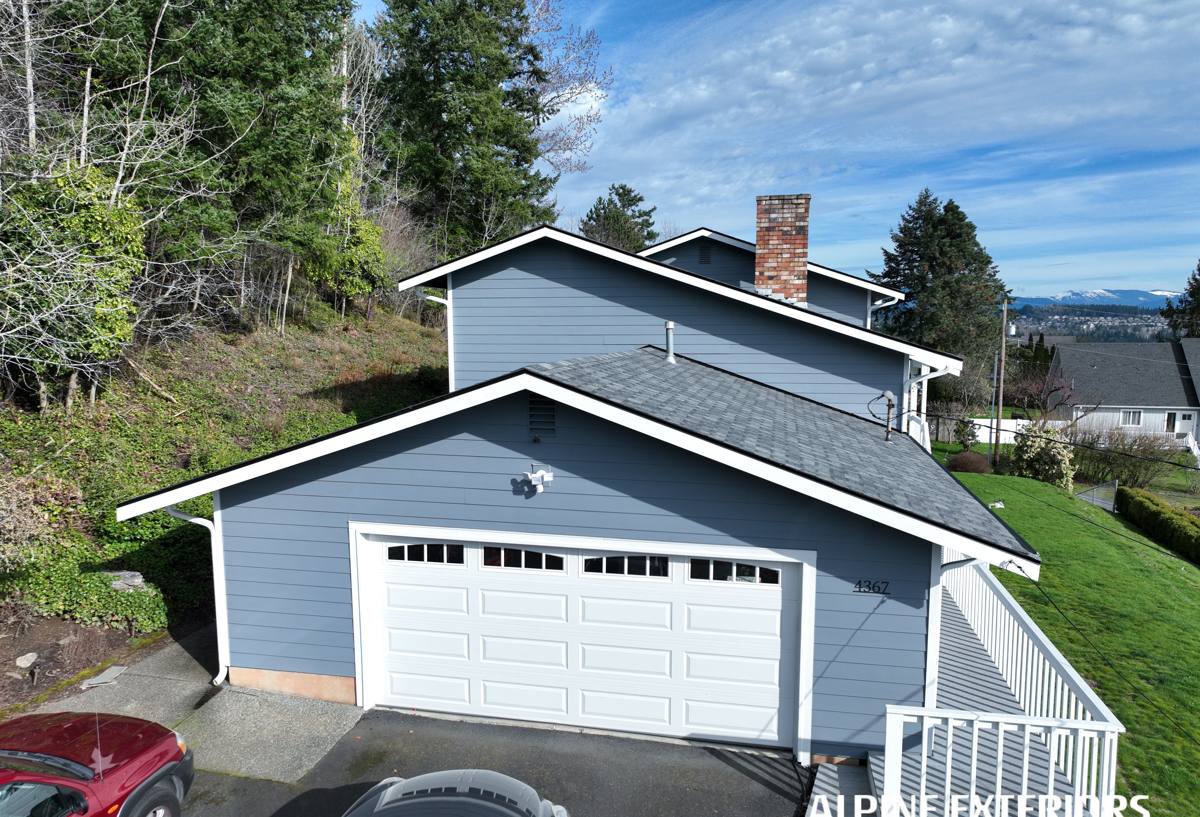
What Sarasota's Climate Actually Does to a Roof
Wind
Sarasota County sits in a wind-borne debris region, which means roofing materials and fastening patterns here are held to a higher standard than most of the country. Uplift at eaves, rakes, and ridge lines is the most common failure point in a wind event — not the field of the roof itself. A metal roof's wind resistance comes almost entirely from panel gauge, fastener spacing, and clip or seam design, which is why cutting corners in those details shows up the first time a real storm comes through.
UV and Heat
Year-round Florida sun breaks down roofing materials from the top down. Asphalt shingles lose granules and become brittle; unpainted or poorly coated metal can chalk and fade. Quality metal roofing with a baked-on finish resists UV degradation far longer than shingles, and it reflects a meaningful amount of solar heat rather than absorbing it — which also takes some load off attic temperatures and cooling costs.
Wind-Driven Rain and Salt Air
Storms here rarely come straight down. Wind-driven rain gets pushed sideways and upward under laps, around penetrations, and into any gap that wasn't properly flashed or sealed. Add in the corrosive effect of salt-laden air moving inland off the Gulf, and any fastener, flashing, or panel edge that isn't rated for a coastal environment becomes a weak point over time — not a matter of if, but when.
Why Metal Roofing Fits Established Neighborhoods Like The Meadows
Many of the homes in The Meadows and similar established Sarasota communities are past the point where their original roof was built to the wind and moisture standards used today. When it's time to replace, metal is worth serious consideration for a few practical reasons:
- Higher wind uplift ratings than most shingle systems when installed to spec
- Long service life, which matters on a roof you don't want to redo in 12-15 years
- Strong resistance to the UV exposure that's constant in this region
- Good performance under wind-driven rain when flashing details are done right
- Panel and color options that can match a range of architectural styles, not just a single "metal roof" look
None of that is automatic, though. A metal roof is only as good as its installation, and metal is far less forgiving of shortcuts than shingles — a mistake under a metal panel doesn't announce itself with a missing shingle, it shows up years later as a leak, a rust streak, or a panel that's lifted in a storm.
Panel Types We Install
Not every metal roofing product is the same, and picking the right one depends on the home's roof pitch, architectural style, and budget. Here's how the main options compare:
| Panel Type | Best For | Fastening | Typical Lifespan |
|---|---|---|---|
| Standing Seam | Most residential roofs, best overall weather performance | Concealed clips, no exposed fasteners | 40-60+ years |
| Metal Shingle / Tile Profile | Homes wanting a traditional shingle or tile look | Interlocking panels, some exposed fasteners | 30-50 years |
| Exposed-Fastener Panel | Lower-slope applications, outbuildings, budget-conscious projects | Screws through the panel face | 20-30 years, depends on gasket maintenance |
For most primary residences in this area, we lean toward standing seam because the concealed fastening system removes the biggest long-term weak point of metal roofing — exposed screws and their rubber washers, which eventually dry out, shrink, and leak. We'll walk through the honest trade-offs for your specific roof rather than defaulting to whatever is easiest to install.
What a Correct Installation Actually Involves
Tear-Off and Deck Inspection
We remove the existing roofing down to the deck rather than installing over it. This lets us actually see the plywood or OSB underneath, replace any sections that are soft, delaminated, or water-damaged, and confirm the deck is properly fastened — none of which is possible if you skip this step to save time.
Underlayment and Flashing
A synthetic or self-adhering underlayment goes down first as the roof's real waterproofing layer; the metal panels on top are the primary defense, but the underlayment is what protects you if wind-driven rain ever gets past a seam or penetration. Flashing at valleys, walls, chimneys, and any roof penetration gets custom-fit and sealed — this is where the majority of real-world leaks originate, not in the open field of the roof.
Fastening and Seams
Panel spacing, clip type, and fastener pattern all need to match the wind rating the roof is actually being installed to, not just a generic manufacturer minimum. On standing seam systems, seams are mechanically or hand-crimped to the panel manufacturer's spec, which is what gives the system its uplift resistance.
Ventilation
Metal roofs still need proper attic and ridge ventilation underneath them. Skipping this step can trap heat and moisture in the attic, which shortens the life of the decking and insulation regardless of how good the roof above it is.
Our Process, Start to Finish
- On-site inspection and estimate — we assess the existing roof, deck condition, ventilation, and any problem areas before quoting anything.
- Product selection — we go over panel type, gauge, finish, and color options based on your home and budget, with honest pros and cons for each.
- Permitting — metal roof replacements in Sarasota County require permitting and inspection; we handle that process as part of the job.
- Tear-off and deck repair — old roofing comes off, damaged decking gets replaced, and the deck is confirmed sound before anything new goes down.
- Installation — underlayment, flashing, and panels installed to the wind rating your roof needs.
- Final walkthrough and cleanup — we inspect the finished roof with you and make sure the property is cleared of debris and old material.
What Metal Roofing Costs, and What Drives the Price
Metal roofing costs more upfront than asphalt shingles — generally somewhere in the range of roughly $9 to $16 per square foot installed, depending heavily on the factors below. That said, the longer service life and reduced maintenance often make the lifetime cost competitive with re-roofing in shingles twice over the same period.
| Factor | Effect on Cost |
|---|---|
| Panel type (exposed-fastener vs. standing seam) | Standing seam costs more due to labor and materials |
| Roof pitch and complexity | Steep or cut-up roofs with many valleys and penetrations cost more to flash correctly |
| Deck condition | Rotted or damaged decking adds repair cost once uncovered |
| Panel gauge and finish | Heavier gauge and higher-grade coatings cost more but last longer |
| Tear-off scope | Removing multiple existing layers adds labor and disposal cost |
Questions Worth Asking Before You Hire Anyone
- Are you licensed and insured to work in Sarasota County, and can you provide proof?
- What wind uplift rating will this specific installation actually meet?
- Will you pull the required permit, or is that left to me?
- What underlayment and flashing details will you use at valleys and penetrations?
- What's covered under the workmanship warranty versus the manufacturer's material warranty?
- Can I see the deck once the old roofing is off, before it's covered back up?
Any contractor who's uncomfortable answering these plainly is telling you something.
Why Local Experience in The Meadows Matters
A crew that regularly works in this part of Sarasota knows the county's permitting and inspection process, understands what wind-rating documentation is typically expected, and has already seen how the local mix of sun, salt air, and storm exposure ages different roofing products over time. That's not something you can substitute with a generic national install crew passing through — it comes from doing the work here, repeatedly, and dealing with the follow-up when something wasn't done right the first time.
If you're weighing a metal roof for your home in The Meadows, we're glad to come take a look, answer your questions honestly, and put together a free, no-pressure estimate — no obligation, just a straight assessment of what your roof actually needs. The form below is the easiest way to get started.