 Sarasota Siding
 New-Construction Windows in Laurel Park: A Different Job Than Replacement
Laurel Park is one of Sarasota's older in-town neighborhoods, close enough to downtown and the bay that a lot of the housing stock is either being renovated down to the studs, added onto, or rebuilt outright. That means a steady mix of true new-construction window work alongside typical replacement jobs — and the two are not the same task, even though homeowners often use the terms interchangeably.
A new-construction window has a nailing fin (also called a flange) around the perimeter of the frame. That fin gets sealed and fastened directly to the wall sheathing before the weather-resistive barrier, flashing tape, and exterior finish (stucco, siding, or brick) go over it. It's installed as part of the building envelope, not fitted into an existing finished opening. Replacement or "insert" windows, by contrast, go into an opening that already has finished walls on both sides, using the old frame or a retrofit flange instead.
If you're building an addition, doing a gut renovation, or building new in Laurel Park, you need a contractor who understands the new-construction sequence — because a window that's rated for hurricane winds and wind-driven rain can still leak and fail if the flashing and fin are handled wrong during the build. The window product only performs as well as the installation around it.
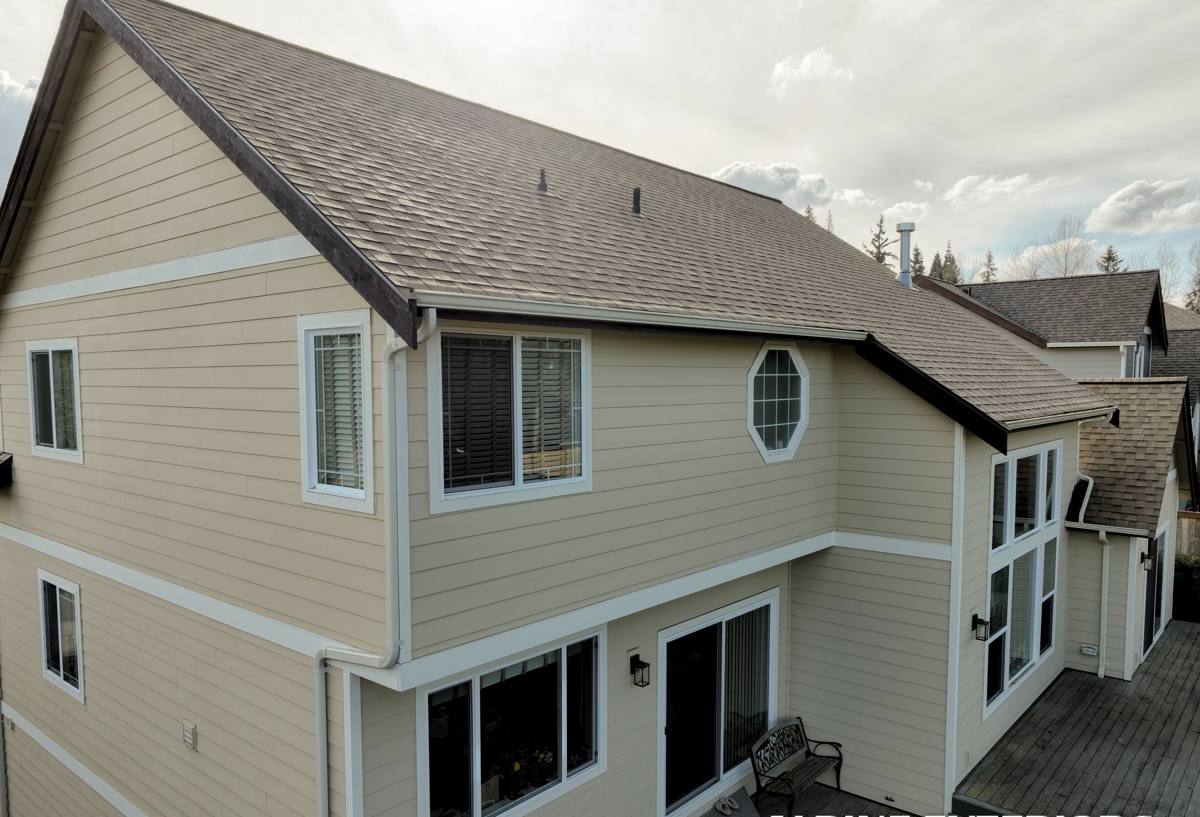
What Sarasota's Climate Actually Demands From a Window
Sarasota County sits on the Gulf coast, and that comes with a specific set of stresses on any window installed here, whether it's a beach cottage or an in-town Laurel Park bungalow:
- Hurricane-force wind: Sustained storm winds and, more importantly, wind-borne debris impact are the design driver for anything installed in this region.
- Wind-driven rain: Sarasota storms don't just bring water down — they push it sideways and upward under overhangs and into flange laps that aren't sealed correctly.
- Year-round UV: Constant strong sun degrades vinyl, weakens seals, and fades interior finishes faster than it would in a milder climate.
- Salt air: Even a few miles inland from the water, airborne salt accelerates corrosion on hardware, fasteners, and lesser-grade metal components.
None of these are unique to Laurel Park specifically, but they're not optional considerations either — they're the baseline every window on this project has to survive, year after year, not just during one bad storm.
Why This Matters More for New Construction
On a replacement job, you're working with an opening that's already proven itself (or already failed and is why you're calling). On new construction, there's no track record yet — the flashing details, fin attachment, and sealant joints you install are the only thing standing between the house and every hurricane season it will see. Get it right the first time, because it's far more expensive to fix a leak behind finished stucco than it is to catch a flashing detail during rough-in.
Florida Building Code and Wind Requirements
Sarasota County falls under the Florida Building Code's wind-borne debris region requirements, which is a step below the High-Velocity Hurricane Zone rules that apply in Miami-Dade and Broward Counties, but it's still a real, enforced standard — not a suggestion. New-construction windows here generally need to meet one of two paths:
- Impact-rated glazing that's tested and labeled to resist wind-borne debris directly, with no separate shutter system required.
- Non-impact windows paired with code-compliant shutters or panels that are permanently attached or readily deployable, covering every opening.
Design pressure ratings (how much wind load the window and its anchoring can take) are tied to the home's location, height, exposure category, and roof geometry — pulled from wind maps and engineering tables, not guesswork. On new construction, this gets specified at the permit stage, and every window installed has to match what's on the approved plans and product approval documentation. Skipping this step, or installing a window with the wrong design pressure rating, is one of the most common ways a project fails inspection or, worse, passes inspection but underperforms in an actual storm.
What Correct New-Construction Installation Looks Like
The window itself matters, but most of what determines whether it stays watertight for 20+ years happens in the rough opening before the window is ever set. A correct install sequence looks like this:
- Rough opening checked for square, level, and correct dimensions against the window's actual size — not just the plan callout.
- Weather-resistive barrier lapped correctly around the opening, sill pan or sloped sill flashing installed so any water that gets past the window drains back out, not into the wall.
- Window set, shimmed, and fastened per the manufacturer's approved installation instructions — the same instructions that back the design pressure rating.
- Nailing fin sealed and taped into the weather-resistive barrier in the correct shingle-lap order (sides first, then head, integrated with the barrier above).
- Interior and exterior sealant joints completed with a compatible, paintable sealant rated for exterior exposure.
- Photos and documentation kept for anything that will be covered by stucco or siding — useful for warranty claims and for the homeowner's own records.
Every one of those steps is inspectable before the wall is closed up. After that, it's hidden — which is exactly why it has to be done right the first time and why it's worth asking a contractor to walk you through their sequence before they start.
Frame Materials and Glass: What's Worth Paying For
Homeowners in Laurel Park ask us to compare materials constantly, so here's the honest breakdown of trade-offs — not marketing claims:
| Frame Material | Salt Air / UV Behavior | Maintenance | Typical Cost Position |
|---|---|---|---|
| Vinyl (impact-rated) | Good UV-stabilized formulas hold up well; lower grades can chalk or discolor over years of Gulf coast sun | Low — no painting needed | Entry to mid |
| Aluminum | Strong structurally, but bare aluminum near the coast needs a good factory finish to resist salt corrosion over time | Low to moderate | Mid |
| Fiberglass | Very stable dimensionally in heat and UV; resists corrosion well | Low | Mid to higher |
| Wood-clad | Clad exterior helps, but any exposed wood or seam is a maintenance point in humid, salty air | Higher | Higher |
For glass, laminated impact glass is the standard approach for wind-borne debris compliance without shutters. Beyond the required lamination, a good low-E coating cuts down the UV load and heat gain that's constant here almost every month of the year — it's not just a summer feature in this climate, it's a year-round one.
Our Process, Start to Finish
For a Laurel Park new-construction or addition project, our process generally runs:
- Site visit and plan review — we look at the actual rough openings or architectural plans, not just a rough count of windows.
- Product and pressure-rating selection matched to the home's exposure, height, and the approved plans.
- Written estimate with product specifics, install scope, and a realistic timeline — no vague allowances.
- Rough-in coordination with the builder or general contractor's schedule so windows go in at the right stage, not rushed or delayed against the rest of the build.
- Installation following manufacturer instructions, with flashing and sealant details documented before they're covered.
- Final walkthrough covering operation, hardware, and what maintenance (if any) the homeowner should expect.
We coordinate directly with builders and remodelers working in Laurel Park regularly, which cuts down on the scheduling friction that causes windows to get installed out of sequence with stucco, siding, or drywall crews.
Mistakes We See on New-Construction Window Jobs
Most of the window failures we get called out to look at in older Sarasota homes trace back to a handful of repeat problems, and they're worth knowing before you hire anyone:
- Flashing installed in the wrong lap order, so water gets directed into the wall assembly instead of out.
- Windows fastened per a generic method instead of the specific manufacturer instructions tied to their design pressure rating — which can void the rating even if the window itself is a good product.
- Sealant used as a substitute for proper flashing instead of a backup to it.
- Design pressure ratings on the installed window not actually matching what the permitted plans call for.
- No documentation or photos taken before the opening is covered, leaving no way to verify the work later if a leak shows up.
Every one of these is preventable with a contractor who treats new-construction window installation as its own trade skill, not an afterthought once the walls are framed.
Why Hiring a Crew That Already Works in Laurel Park Matters
Laurel Park's mix of older lots, tighter setbacks, and a steady pace of renovation and infill construction means the logistics of a window job here aren't quite the same as a subdivision build further out. A crew that already works in the neighborhood knows how to sequence around tight site access, coordinate with the other trades on a renovation timeline, and anticipate the inspection expectations that come with Sarasota County permitting. That familiarity shows up as fewer surprises, fewer schedule delays, and fewer callbacks — not as anything flashy, just a smoother job.
If you're planning new-construction windows for a build, addition, or full renovation in Laurel Park, we're happy to walk the plans or the site with you and give you a straight answer on what's needed. There's no pressure and no cost to get an estimate — just fill out the form below and we'll take it from there.