 Sarasota Siding
 Building New on Longboat Key Means Getting the Windows Right From the Start
New-construction windows are a different job than replacement windows, and the difference matters most on a barrier island like Longboat Key. When a home is being framed, the window opening is still raw — no stucco, no siding, no trim. That's the one point in the entire life of the house where the flashing, the weather barrier, and the window's nailing fin can all be integrated as one continuous system. Get it right at this stage and the wall assembly stays dry for decades. Get it wrong, and the mistake gets buried behind finish materials where nobody will see it again until there's a stain on a ceiling or a soft spot in a wall.
Sarasota County sees its share of coastal weather, but Longboat Key takes the brunt of it more directly than almost anywhere else in the county — open Gulf exposure on one side, Sarasota Bay on the other, and very little land buffer in between. Windows going into new construction here need to be selected and installed with that exposure in mind from day one, not treated as a generic building material.
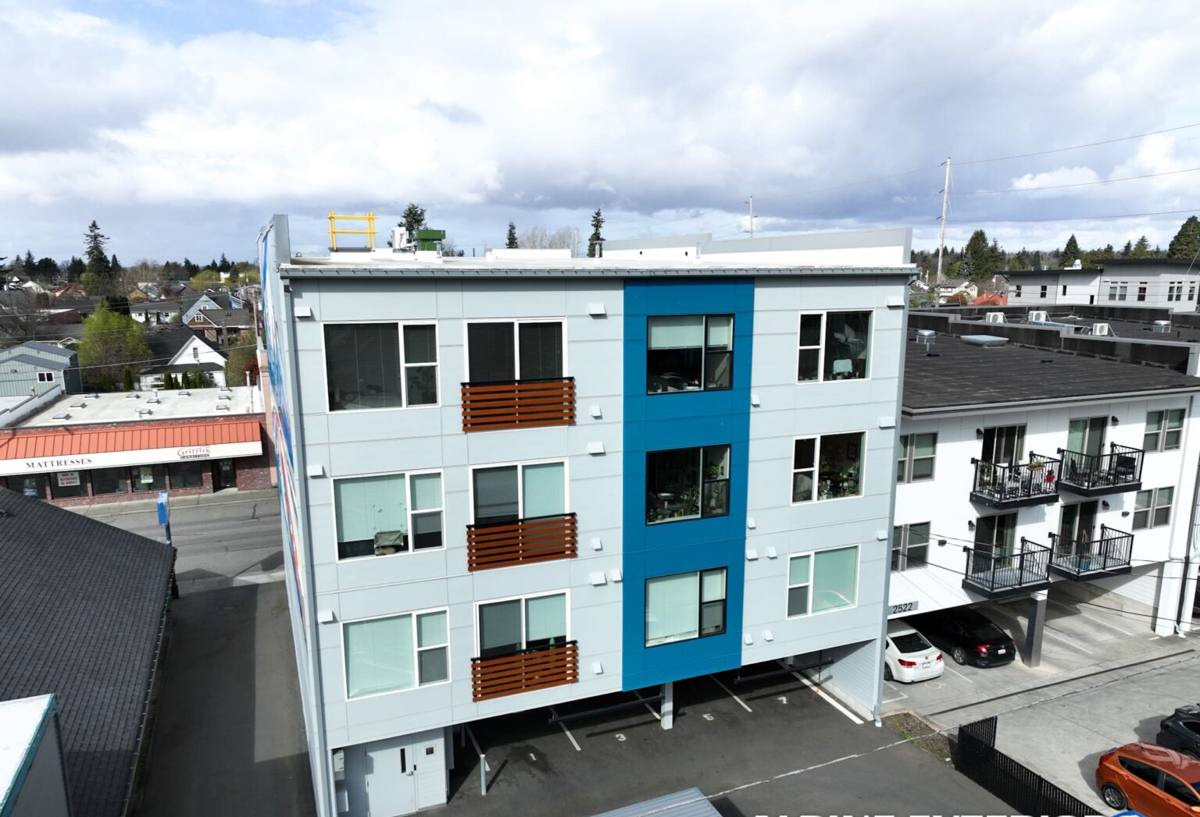
What Longboat Key's Climate Actually Does to a Window Opening
A few conditions come together on this stretch of coast that don't hit the same way a few miles inland:
- Hurricane-force wind loads — a barrier island location means higher design wind pressures on the building envelope than a comparable home set back from open water.
- Wind-driven rain — during tropical systems and even strong summer storms, rain doesn't just fall on a window, it's driven sideways into the opening under pressure. A window and its flashing have to shed that water actively, not just keep out rain falling straight down.
- Salt air corrosion — airborne salt settles on and around window hardware, fasteners, and frame components year-round, not just during storms. Materials that would hold up fine forty miles inland can pit, corrode, or discolor faster here.
- Intense, near-constant UV — Florida sun is hard on vinyl, sealants, and low-E coatings alike. UV exposure is part of why window and sealant warranties matter more here than in milder climates.
None of this means a new build on Longboat Key needs anything exotic. It means the products and the installation details need to be chosen deliberately for this specific environment, not pulled from a generic spec sheet.
Impact Ratings and Code Compliance for New Builds
Sarasota County falls within Florida's wind-borne debris region, which means new construction on Longboat Key is built to Florida Building Code requirements for that zone. In practice, that means windows either need to be impact-rated (large missile tested, meeting the applicable design pressure for the home's height, exposure, and location on the island) or paired with code-approved protective coverings. On new construction, most owners and builders choose impact-rated glass outright — it removes the need for shutters, storm panels, or last-minute prep before every named storm, and it keeps the window doing its job even after the sun goes down and nobody's home to deploy protection.
The exact design pressure a window needs to meet isn't the same for every house — it depends on the structure's height, roof geometry, and exposure category, which is why new-construction window specs get pulled from the project's engineering and permit documents rather than a one-size answer. We work from those documents, not guesswork, when we're speccing or installing on a Longboat Key build.
Permitting and Inspection
New construction windows on Longboat Key go through the same permitting and inspection process as the rest of the building envelope. That means product approval numbers, installation instructions, and flashing details all need to match what's on file — and be ready to show an inspector. A crew that installs on the island regularly knows what that inspection actually checks and doesn't leave a callback for the builder to chase down.
Frame Material: What Holds Up in Salt Air
Every major frame material can be made to work on a coastal build, but they don't all age the same way once salt air and UV get involved for years on end.
| Frame Material | Coastal Durability | Maintenance | Typical Fit |
|---|---|---|---|
| Vinyl (impact-rated) | Good — won't corrode, UV-stabilized formulations hold color well | Low; occasional cleaning | Most new-construction budgets, wide style range |
| Aluminum | Strong structurally, but hardware and fasteners need corrosion-resistant specification | Moderate; watch for pitting near hardware over time | Larger openings, contemporary designs |
| Fiberglass | Very good — dimensionally stable, resists warping and corrosion | Low | Higher-end builds, larger or custom sizes |
| Wood-clad | Interior wood needs protection from humidity; exterior clad face handles weather if detailed correctly | Higher; interior finish upkeep | Owners prioritizing an interior wood look |
We'll talk through which of these fits the home's design, budget, and exposure — a Gulf-front elevation and a bay-side lot don't always need identical specs, and there's no single "best" material for every new build on the island.
How We Install New-Construction Windows
The installation sequence is where most of the long-term performance actually gets decided. On a new build, we're working with the framer's rough opening and the home's weather-resistive barrier, and every layer has to go on in the right order for the wall assembly to actually shed water the way it's designed to.
Our general sequence
- Verify the rough opening is square, level, and sized correctly for the specified window before anything gets installed.
- Install sill flashing and back-dam detailing so any water that does get past the window has a path back out, not into the wall.
- Set the window plumb and level, fastened per the manufacturer's approved installation instructions — this is what keeps the impact rating and warranty valid.
- Integrate jamb and head flashing with the home's weather-resistive barrier in the correct shingle-lap order, so water is always directed outward and down.
- Seal with sealants and tapes rated for exterior exposure and UV, compatible with both the window frame and the wall assembly materials.
- Insulate and air-seal the interior perimeter without over-packing or bowing the frame.
- Photo-document flashing details before they're covered by siding or stucco — this becomes part of the home's permanent record.
That documentation step matters more on new construction than people expect. Once the exterior finish goes up, the flashing is invisible for the life of the house. Having a record of how it was done protects the homeowner and gives any future contractor a starting point if a question ever comes up.
Mistakes We See on New Builds — and Avoid
Most water intrusion problems in new construction don't trace back to a bad window. They trace back to a rushed or out-of-sequence installation. The issues we watch for most closely on Longboat Key projects:
- Flashing installed out of shingle-lap order, which can direct water into the wall instead of away from it.
- Sealant used as a substitute for proper flashing instead of as a secondary defense — caulk fails; flashing shouldn't be the only thing keeping water out long-term.
- Windows fastened outside manufacturer specifications, which can void both the impact rating and the warranty even if the glass itself is correct.
- Mismatched design pressures — a window rated for a lower wind pressure than the elevation actually requires, often caught only at inspection or, worse, missed entirely.
- Incompatible sealant and flashing tape chemistries, which can fail to bond or degrade each other over time in Florida heat and UV.
Working With Your Builder or General Contractor
Most of our new-construction window work on Longboat Key happens as one piece of a larger build, coordinated directly with the general contractor's schedule. Windows typically arrive and get set once framing and the weather barrier are complete but before exterior finishes start, and that window in the schedule can be tight. We show up on the day we're needed, work from the same plans and product approvals the GC has on file, and communicate directly so nothing holds up the next trade. If you're the homeowner working with a builder, it's worth asking early who's supplying and installing the windows and confirming that crew has coastal new-construction experience specifically — it's a different skill set than remodel replacement work.
Living With New Windows in a Salt-Air Environment
Correctly installed impact windows are built to handle this climate, but a little routine attention keeps them performing at their best for years:
- Rinse frames, tracks, and hardware with fresh water periodically to clear off salt residue.
- Check weep holes at the sill to make sure they're clear and draining, especially after storms.
- Inspect exterior sealant joints once a year for cracking or separation, and have any gaps addressed before they become a leak path.
- Operate hardware regularly — locks and hinges that sit unused can seize or corrode faster than ones that get used.
Why Local, Island-Specific Experience Matters
Longboat Key isn't a typical Sarasota County job site. Barrier-island access, tighter lot conditions, and building-envelope requirements shaped by direct Gulf and bay exposure all factor into how a new-construction window job needs to be planned and executed. A crew that regularly works on the island knows what inspectors here expect to see, how the flashing sequence needs to hold up against wind-driven rain, and which products have a track record standing up to the salt air and UV load this stretch of coast delivers year-round. That experience shows up in the details you won't see once the walls are closed up — which is exactly why it has to be right the first time.
If you're planning new construction or a major remodel on Longboat Key, we're happy to walk the plans with you, talk through window and frame options for your specific exposure, and give you a straightforward, no-pressure estimate. Use the form below to get started.