 Sarasota Siding
 Building New in University Park? The Windows Have to Be Right the First Time
New-construction windows are a one-shot job. Once the stucco, siding, or brick veneer closes in around the rough opening, the flashing and sealant details underneath are hidden for the life of the house. In a coastal Sarasota-area community like University Park, that first installation has to account for hurricane-force wind loads, wind-driven rain, intense year-round UV, and salt-laden air right from day one — because fixing a bad install later usually means opening up finished exterior wall.
We install new-construction windows on homes going up in and around University Park, working directly with builders, general contractors, and homeowners who are managing their own build. This page covers what a correct installation actually involves, what the local climate demands from the window package, and why it matters to bring in a crew that already understands how these builds go together in this part of Florida.
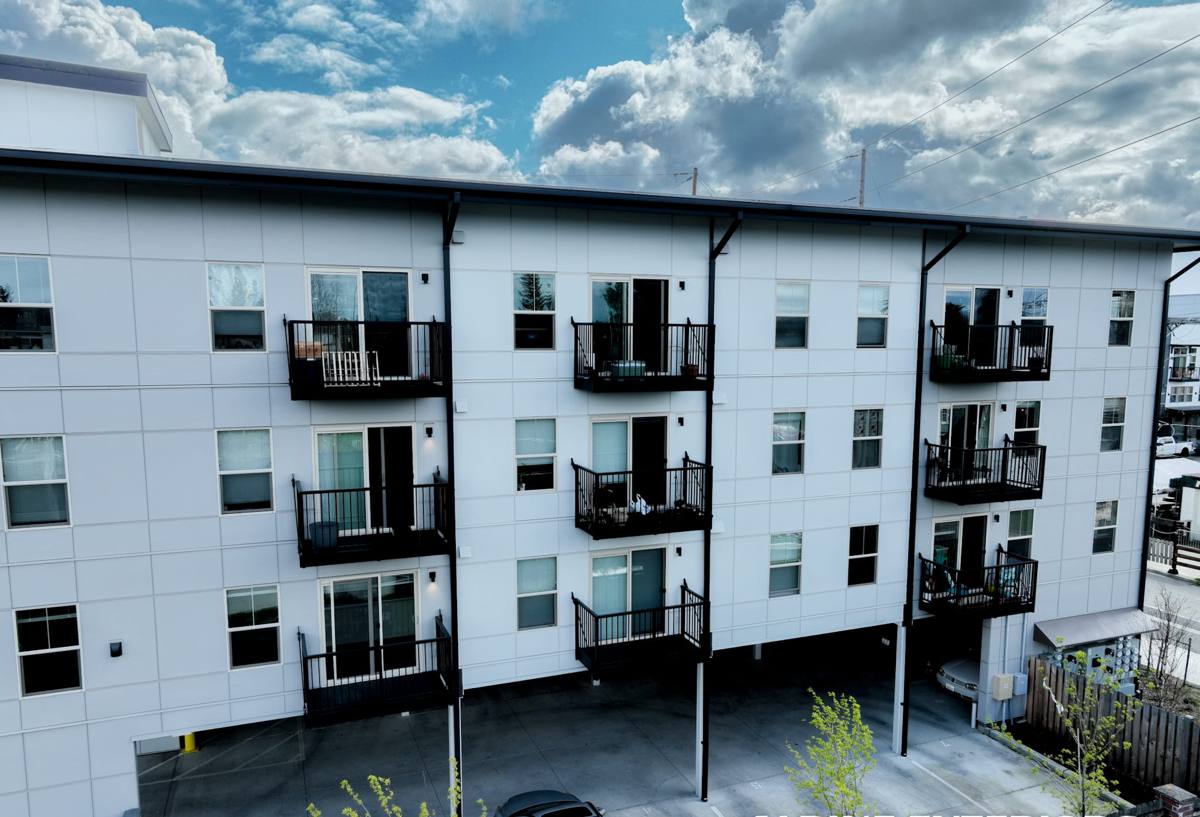
New-Construction vs. Replacement: Not the Same Job
"New-construction" windows aren't a different product line so much as a different installation method. They're built with a nailing fin (or flange) around the frame that gets fastened directly to the wall sheathing before the exterior finish — stucco, siding, brick — goes on. That's different from a replacement or "pocket" window, which gets inserted into an existing finished opening without disturbing the surrounding wall.
- New-construction (flanged) windows: installed before the exterior finish, flashed into the wall's water-resistive barrier, structurally fastened through the fin
- Replacement windows: installed into an existing frame, sealed at the perimeter, no fin, no re-flashing of the wall
Because a new-construction window becomes part of the building envelope itself, the installation sequence — flashing tape order, sealant placement, fastener pattern — is what actually keeps water out, not just the window unit. Get that sequence wrong and no amount of good caulking fixes it later.
What University Park Homes Need From Their Windows
Wind and Impact Resistance
This part of the Florida coast falls under wind-borne debris and high-velocity wind requirements in the Florida Building Code. New-construction windows here need documented wind pressure ratings and, depending on the specific site and elevation, either impact-rated glass or an approved opening protection system. This isn't optional trim-level upgrade territory — it's what gets a home through final inspection and keeps it insurable.
Wind-Driven Rain
Sarasota-area storms don't just bring wind — they push rain sideways under pressure. A window that's rated for wind load but poorly flashed will still leak during a driving rain event, because the water finds the gap in the wall assembly, not the glass. Flashing detail matters as much as the window's rating.
UV and Heat
Florida sun is hard on window components year-round, not just in summer. Cheap vinyl frames chalk, warp, or discolor under sustained UV; low-quality seals dry out and shrink faster here than in milder climates. Low-E glass coatings also do real work in this market — cutting solar heat gain keeps cooling costs down in a house that runs AC most of the year.
Salt Air
University Park isn't beachfront, but Sarasota's coastal air still carries salt further inland than people expect, especially with onshore wind. Salt exposure accelerates corrosion on hardware, fasteners, and metal frame components. Frame material and fastener selection should account for that, not just for oceanfront lots.
What a Correct Installation Actually Involves
The window unit itself is maybe half the job. The other half is the sequence and materials around it:
- Rough opening check — verifying the opening is square, plumb, and sized correctly before the window ever goes in
- Sill pan flashing — a sloped, sealed pan at the bottom of the opening so any water that gets past the window drains back out, not into the wall
- Water-resistive barrier integration — flashing tape lapped correctly with the house wrap or building paper, so water sheds down and over, never behind
- Fastening per manufacturer and code spec — correct fastener type, spacing, and embedment through the nailing fin into structural framing, matched to the window's tested wind rating
- Perimeter sealant — the right sealant for the substrate, applied where it belongs, not as a substitute for proper flashing
- Interior and exterior trim-out — finished cleanly and ready for the exterior finish or interior casing to follow
Skip or rush any one of these steps and you get a window that looks fine on delivery day and leaks two years later — usually well after the builder's warranty has run out.
Choosing the Right Window Package
For new construction, the frame material, glass package, and rating level all get decided together — and they trade off against each other in cost, maintenance, and performance.
| Factor | What to Weigh |
|---|---|
| Frame material | Vinyl is budget-friendly and low-maintenance; aluminum handles larger spans and higher pressure ratings but conducts more heat; fiberglass costs more but holds up well to UV and doesn't expand/contract as much with temperature swings |
| Impact rating vs. shutters/panels | Impact glass costs more up front but needs no separate storm prep; approved shutter or panel systems cost less per opening but require someone to deploy them before every storm |
| Glass package | Low-E coatings and appropriate tint reduce solar heat gain — worth it in a market where AC runs most of the year |
| Hardware and fasteners | Corrosion-resistant hardware costs a little more but matters more here than in inland, non-coastal markets |
| Design pressure rating | Determined by the home's height, exposure, and location on the lot — not a one-size number across the whole house |
We'll walk through these trade-offs with you or your builder before ordering, so the package matches the home's actual exposure rather than a generic spec sheet.
How We Work With Builders and Homeowners
Most of our new-construction work happens on a schedule set by someone else — a general contractor's framing and dry-in timeline. That means:
- We coordinate directly with the GC or site super on timing, so windows go in at the right point in the build sequence and don't hold up the schedule
- We review the window schedule and rough opening dimensions against the plans before delivery, catching sizing issues before they become a job-site problem
- We document flashing and installation steps as we go, which matters for code inspections and for the manufacturer's warranty
- We show up ready to work with the trades already on site — framers, stucco crews, house wrap installers — instead of working in isolation
If you're an owner managing your own build in University Park, we can also work directly with you, walking through the permit drawings and product selection before anything is ordered.
Permitting and Code Compliance
New-construction windows in this part of Florida get permitted and inspected as part of the overall building permit, with product approval numbers tied to each window's tested wind pressure and impact rating. Inspectors check both the product documentation and the physical installation — flashing, fastening, sealant. We pull and coordinate the necessary approvals and keep the paperwork organized so there are no surprises at inspection, and no gap between what was ordered and what's actually installed in the wall.
A Quick Checklist Before You Sign Off on a Window Order
- Does every window's design pressure rating match its actual location and height on the home?
- Is the impact protection method (impact glass vs. shutters/panels) decided for every opening, not just the front-facing ones?
- Does the flashing plan get documented, not just verbally agreed to?
- Are fasteners and hardware spec'd for coastal exposure, not a generic inland package?
- Is the installer working from the actual rough opening dimensions, not just the plan set?
- Will you get product approval documentation for your permit file and future insurance needs?
Why a Crew That Already Works University Park Matters
University Park is a planned community, and like most in the Sarasota area, it comes with its own architectural review process and exterior standards that builders and homeowners need to work within. A crew that's already done window installs in the neighborhood knows the rhythm of that review process, has a working relationship with local building officials, and isn't learning the community's expectations on your project. That familiarity translates into fewer stalled inspections and fewer back-and-forth revisions on product selection.
It also means we've already made the coastal-climate trade-off decisions — frame material, glass package, hardware — for homes with the same wind exposure and sun load as yours, so we're not guessing on your build.
Get a Free, No-Pressure Estimate
Whether you're a builder finishing out a spec home or a homeowner overseeing your own build in University Park, we're glad to walk the plans, talk through window package options, and give you a straightforward estimate — no pressure, no upsell. Use the form below to get started.