 Sarasota Siding
 Roofing a Rosemary District Home the Right Way
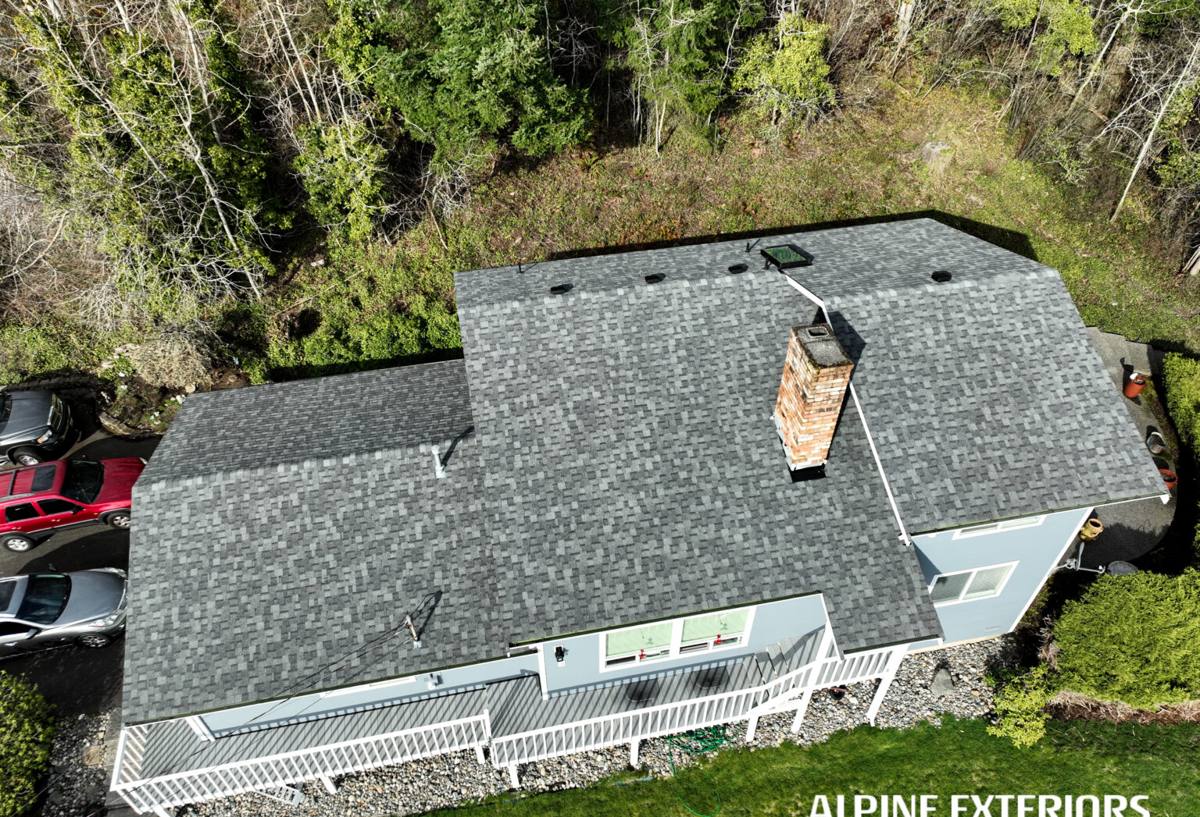
Rosemary District sits just north of downtown Sarasota, a neighborhood that mixes older bungalows and cottages with newer townhomes and infill construction going up as the area continues to redevelop. That mix matters when it's time for a new roof. A roof that's right for a decades-old frame cottage isn't automatically right for a new-build townhome with a different deck, different attic ventilation, and different wind-load requirements. A correct installation starts with understanding what's actually on the house, not just what's easiest to install fast.
Sarasota County sits in one of the more demanding wind zones in the state, and homes this close to the bay and the Gulf take on a combination of stresses that inland Florida roofs simply don't see. Any roofer working in Rosemary District needs to be building for all of it at once, not just picking a shingle color.
What the Climate Actually Does to a Roof Here
Four things wear on a Sarasota roof, and they compound each other over time.
Hurricane-Force Wind
Wind doesn't just push down on a roof, it pulls up on it. Uplift at the edges, corners, and ridge is what tears shingles and panels loose in a storm, and it's also what quietly loosens fasteners over years of lesser wind events long before a named storm ever arrives. A roof system has to be engineered as a whole assembly, from deck attachment to underlayment to the field material, to resist that uplift.
Intense, Year-Round UV
Sarasota doesn't get a real winter break from sun exposure. UV breaks down asphalt oils, dries out sealants, and accelerates the aging of roofing membranes faster than in most of the country. A roof rated for a 25-30 year lifespan in a milder climate often won't hit that number here without the right materials and ventilation.
Wind-Driven Rain
Rain that's moving sideways at 40-60+ mph finds every gap a calm-weather roof would never expose. It drives water up and under shingle tabs, through poorly lapped underlayment, and into any flashing detail that was installed for looks instead of performance. Most roof leaks after a storm trace back to water that came in sideways, not straight down.
Salt Air
Being close to Sarasota Bay and the Gulf means airborne salt is a constant, low-level presence. It accelerates corrosion on exposed metal, nail heads, flashing, and any hardware not rated for coastal exposure. Fasteners and metal components that would last decades inland can corrode noticeably faster this close to the water.
None of these four issues are exotic or rare. They're the baseline conditions every roof in this part of Sarasota County has to survive, year after year, not just during a single storm event.
What a Correct New Roof Installation Involves
A new roof is a system, not a single product. Getting it right means every layer is doing its job and working with the layers around it.
Tear-Off and Deck Inspection
A full tear-off exposes the roof deck so it can actually be inspected, not guessed at. Older Rosemary District homes in particular can have deck damage, old fastener patterns, or wood that's soft from years of minor moisture intrusion. Any of that gets repaired before a single new layer goes down. Skipping this step and roofing over an existing layer hides problems instead of fixing them, and it undermines wind performance no matter how good the new material is.
Underlayment
In a wind-driven rain climate, underlayment is not a formality. A self-adhering or synthetic underlayment, properly lapped and sealed at every penetration, is the backup layer that keeps water out if wind ever gets under the field material. This is one of the most commonly under-specified parts of a budget roof job, and it's one of the most important.
Fastening and Wind Rating
Nailing patterns, fastener type, and fastener spacing all need to match the wind uplift requirements for this part of Sarasota County, not a generic statewide minimum. This includes corrosion-resistant fasteners appropriate for coastal salt exposure, correctly spaced at the field, perimeter, and corners where uplift forces are highest.
Flashing Details
Chimneys, wall transitions, skylights, and roof-to-wall intersections are where most leaks actually start. Flashing has to be formed and lapped correctly, not just caulked and hoped for. Caulk is a maintenance item; correctly lapped metal flashing is a permanent detail.
Ventilation
Proper intake and exhaust ventilation keeps attic temperatures and moisture in check, which matters both for UV-driven material aging and for humidity control in Sarasota's climate. Poor ventilation shortens the life of the roofing material from underneath, even if the top side looks fine.
Material Options for This Climate
There's no single "best" roofing material for every Rosemary District home — it depends on the structure, the roof pitch, the budget, and whether the home is a historic-style cottage or a newer build. Here's how the common options actually compare for wind, UV, and salt exposure.
| Material | Wind Performance | UV/Sun Durability | Salt Air Considerations |
|---|---|---|---|
| Architectural asphalt shingle | Good with proper nailing pattern and rated products | Moderate; quality and granule coating matter | Use corrosion-resistant fasteners and flashing |
| Standing seam metal | Excellent when properly fastened and clipped | Very good; reflective finishes reduce heat gain | Requires coastal-rated finish and fastener spec |
| Tile (concrete or clay) | Strong when installed with proper attachment system | Excellent; UV has minimal effect on the material itself | Underlayment and fastener corrosion resistance still critical |
| Flat/low-slope membrane (for additions, porches) | Depends heavily on attachment and edge detailing | Good with modern membrane products | Edge and seam detailing is the weak point near salt air |
Whatever material fits the home, the installation detailing (fastening, underlayment, flashing) matters as much or more than the material choice itself. A well-installed shingle roof will outperform a poorly installed metal or tile roof in this climate.
Our Process for a Rosemary District Roof Replacement
- On-site inspection and estimate — we look at the existing roof, deck condition, ventilation, and any problem areas before quoting anything.
- Material and system recommendation — based on the home's structure, pitch, and your budget, not a one-size-fits-all pitch.
- Permitting — new roof installations in Sarasota County require permits and inspections; we handle that process.
- Tear-off and deck repair — full removal of old roofing, deck inspected and repaired as needed.
- Underlayment and flashing installation — the layers that do the real work in wind-driven rain.
- Field material installation — installed to the wind-rated fastening spec for this area, not a generic pattern.
- Final inspection and walkthrough — county inspection sign-off, plus our own walkthrough with you.
Signs a Rosemary District Home May Need a New Roof
- Shingles that are curling, cracking, or losing significant granules
- Visible sagging anywhere along the roofline
- Daylight visible through the attic decking
- Recurring leaks near chimneys, skylights, or wall transitions after repairs
- Roof is approaching or past the manufacturer's rated lifespan
- Missing, lifted, or storm-damaged shingles or panels after any recent wind event
- Rising energy bills that may point to failing attic ventilation or insulation under an aging roof
Why a Crew That Already Works This Neighborhood Matters
Rosemary District has a mix of building ages and styles that isn't identical to the rest of Sarasota. Older homes may have deck framing, pitch, or historic-style rooflines that call for more careful handling during tear-off and re-decking. Newer construction may already meet current wind-load codes but still needs installation quality that matches the engineering. A crew that's worked in this specific area already understands the county's permitting and inspection process for this zip code, knows what condition to expect under an older roof before pulling it off, and isn't guessing at wind-rating requirements on the fly. That familiarity shows up in fewer surprises mid-project and a roof that's actually built for what this part of Sarasota County sees every year.
What Affects the Cost of a New Roof
Every roof is priced based on the specifics of the home, but a few factors consistently move the number the most:
| Cost Factor | Why It Matters |
|---|---|
| Roof size and complexity | More valleys, hips, and penetrations mean more labor and flashing detail |
| Deck condition | Rotted or damaged decking found during tear-off requires repair before installation |
| Material choice | Asphalt, metal, and tile carry different material and labor costs |
| Pitch and access | Steep or hard-to-access roofs take longer and require more safety setup |
| Wind-rating requirements | Higher-rated fastening systems and underlayment add cost but are non-negotiable in this wind zone |
| Permitting | Sarasota County permit and inspection fees are part of any legitimate roof replacement |
We're honest about broad ranges once we've seen the roof in person, but anyone who quotes a firm price without inspecting the deck and structure first is guessing, not estimating.
Get a Free, No-Pressure Estimate
If your Rosemary District home has an aging roof, storm damage, or you're just starting to plan ahead, we're happy to take a look and walk you through what we find. There's no obligation and no pressure — just a clear look at the roof's condition and honest options for what it needs. Use the form below to schedule your free estimate.