 Sarasota Siding
 Roofing in Nokomis: A Different Set of Rules
Nokomis sits close enough to the Gulf that salt air, humidity, and storm exposure shape almost every roofing decision homeowners here make. A roof system that performs well inland can fail early a few miles closer to the coast, simply because the environment asks more of it. If you're planning a new roof installation in Nokomis, the goal isn't just "a new roof" — it's a roof built for this specific stretch of Sarasota County.
That means paying attention to wind uplift resistance, underlayment quality, fastening patterns, and material choices that hold up against sun and salt, not just whatever is cheapest or fastest to install. A correctly built roof here should be judged by how it performs in year eight and year eighteen, not just how it looks on installation day.
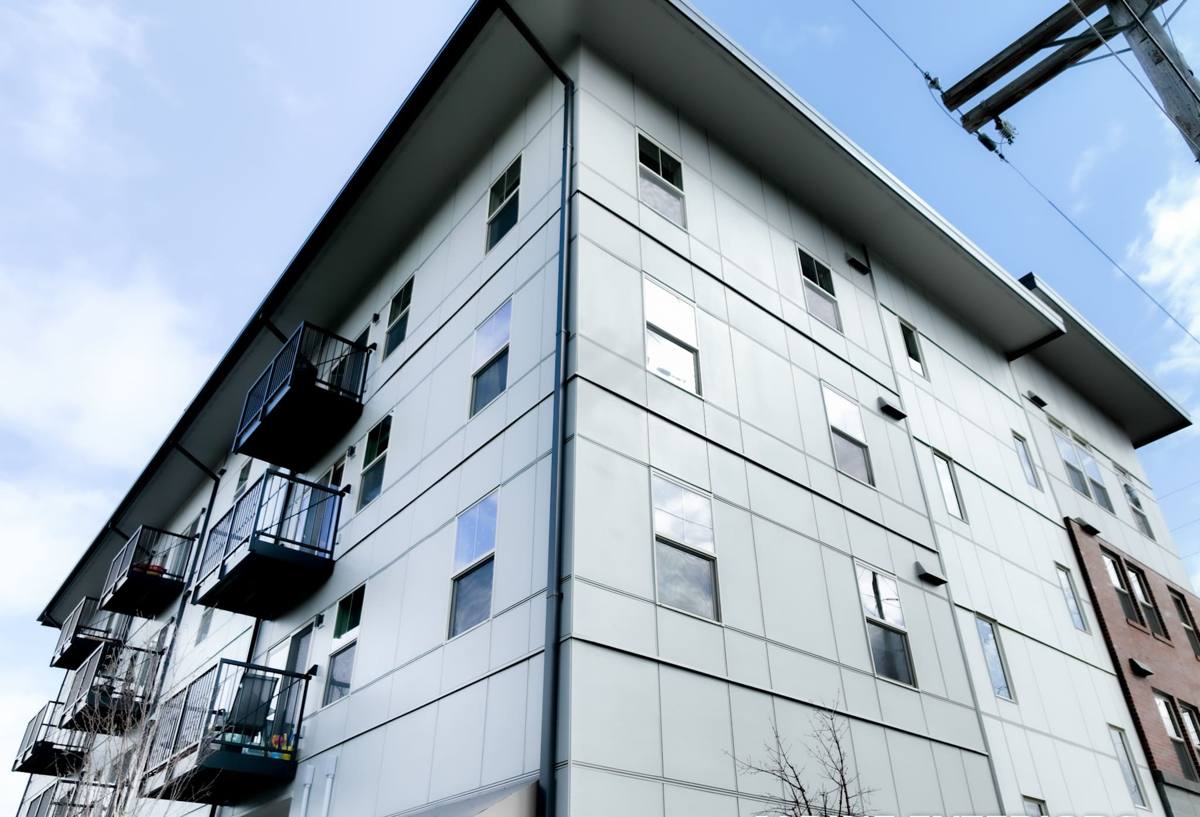
What Nokomis Homes Are Up Against
Homeowners considering a new roof in this area are dealing with a combination of stressors that don't all show up on a typical inspection checklist:
- Hurricane-force wind events: Sustained winds and gusts during tropical systems put direct uplift pressure on roof edges, ridges, and corners — the areas most prone to failure if fastening and flashing aren't done correctly.
- Wind-driven rain: Storms here rarely bring rain straight down. Wind pushes moisture sideways and upward under shingles, tiles, and flashing details, which is why underlayment and sealed penetrations matter as much as the visible roofing material.
- Intense, near-constant UV exposure: Florida sun breaks down roofing materials from the surface inward, drying out asphalt oils, fading color, and accelerating granule loss on lower-grade shingles.
- Salt air corrosion: Proximity to the coast means airborne salt settles on metal flashing, fasteners, and vents. Uncoated or low-grade metal components corrode faster here than in inland parts of the county.
- Humidity and attic moisture: Consistent humidity makes proper attic ventilation non-negotiable — a roof deck that can't dry out between rain events is a roof deck that rots prematurely, regardless of the shingle warranty on top of it.
None of these factors are unique to Nokomis, but together they define what a "correct" roof installation looks like this close to the Gulf.
Signs Your Roof Needs Full Replacement, Not Another Repair
Not every roofing problem calls for a full tear-off, but there's a point where repeated patching stops being cost-effective. We look for a combination of the following before recommending full replacement:
- Shingles that are curling, cupping, or losing granules across large sections rather than in one isolated spot
- Multiple active leaks in different areas of the roof, especially after separate storm events
- Soft or spongy decking discovered during inspection, which signals moisture has already reached the wood
- A roof approaching or past its material's realistic service life, particularly if it's never been re-covered
- Visible sagging along the roofline, which can indicate structural or decking issues beneath the surface material
- Missing or lifted flashing around chimneys, vents, and valleys that has been patched more than once
If your roof shows one or two of these signs, a repair may still make sense. If it shows several at once, replacement is usually the more economical path — repeated emergency repairs on an aging roof add up fast and rarely address the underlying cause.
Insurance and Age Considerations
Many Sarasota County insurers now factor roof age and material directly into coverage terms and premiums. A roof over 15-20 years old, even one without active leaks, can trigger higher premiums or non-renewal notices. If you're navigating that situation, a new roof installation isn't just a maintenance decision — it can directly affect your insurability and your rates going forward.
Roofing Material Options for Nokomis Homes
There's no single "best" roofing material for every Nokomis home — the right choice depends on your home's structure, your budget, your timeline before selling or staying long-term, and how much maintenance you're willing to keep up with. Here's how the common options compare for this climate specifically:
| Material | Wind Performance | Salt/UV Resistance | Typical Lifespan | Maintenance |
|---|---|---|---|---|
| Architectural asphalt shingle | Good, when rated and installed for high-wind zones | Moderate — quality varies by product line | 18-25 years in this climate | Low to moderate |
| Standing seam metal | Excellent, especially with proper fastening | Strong with coated/coastal-rated panels | 40-50+ years | Low |
| Concrete or clay tile | Very good when properly fastened and battened | Excellent — inert to salt and UV | 40-50+ years | Moderate (underlayment replacement mid-life) |
| 3-tab asphalt shingle | Fair — lower wind rating than architectural | Lower — shorter service life in intense UV | 12-18 years | Low, but shorter overall value |
Tile and metal carry a higher upfront cost but a longer service life and lower long-term maintenance in a coastal-influenced climate like Nokomis's. Architectural asphalt remains a solid, budget-conscious choice when it's rated appropriately and installed correctly — the installation quality often matters more than the shingle brand.
What a Correct Installation Actually Involves
A new roof is only as good as what's underneath the visible surface. Most roofing failures we see during inspections trace back to shortcuts taken in the layers homeowners never see once the job is finished.
1. Tear-Off and Deck Inspection
We remove the existing roofing material down to the deck and inspect every section of plywood or OSB sheathing. Any wood showing rot, delamination, or moisture damage gets replaced before anything new goes down — installing new roofing over a compromised deck just hides the problem temporarily.
2. Underlayment
Given how much wind-driven rain this area sees, underlayment isn't a place to cut corners. We use synthetic or self-adhering underlayment systems suited to the roof's slope and exposure, with special attention to eaves, valleys, and any low-slope transitions where water tends to find a way in.
3. Flashing and Penetrations
Every chimney, vent pipe, skylight, and wall transition gets new flashing — reused flashing is one of the most common causes of early leaks on an otherwise new roof. Metal flashing components are selected with salt-air corrosion resistance in mind, not just cost.
4. Fastening for Wind Uplift
Fastener pattern and count matter more in high-wind zones than most homeowners realize. We follow manufacturer specifications and Florida Building Code wind-borne debris region requirements for nailing or fastening patterns, with reinforced attention at roof edges, ridges, and corners where uplift forces concentrate first.
5. Ventilation
Proper intake and exhaust ventilation keeps the attic space drying correctly between humid stretches, protects the deck from moisture-related rot, and helps the roofing material itself last closer to its full rated lifespan.
6. Final Inspection and Cleanup
We walk the completed roof, check flashing and fastening details, and do a full property cleanup — magnetic sweep for stray nails included — before calling the job finished.
Permits, Code Compliance, and Wind Mitigation
Sarasota County requires permits for full roof replacements, and inspections are part of that process for good reason — it's the mechanism that verifies fastening, flashing, and material installation actually meet Florida Building Code wind-borne debris region requirements. We handle permitting and coordinate inspections as part of the installation process, so you're not left managing that paperwork yourself.
It's also worth asking your roofer for documentation you can submit to your insurer once the job is complete. A properly documented new roof, installed to current code, can qualify for wind mitigation credits that lower your homeowner's insurance premium — a detail that's easy to overlook but can offset part of the installation cost over time.
Why Local Experience in Nokomis Matters
A roofing crew that regularly works in and around Nokomis understands things a company from farther inland might not think to check: how close a property sits to salt-air exposure, which neighborhoods tend to see the most direct wind-driven rain during tropical systems, and what Sarasota County's permitting office actually expects on inspection day. That familiarity shows up in fewer surprises, fewer inspection delays, and a roof system chosen with this specific environment in mind rather than a generic statewide approach.
Local presence also matters after the storm. If a hurricane or major wind event damages roofs across the area, a contractor with established local operations is easier to reach and schedule than one based hours away and juggling calls from multiple regions at once.
What Drives the Cost of a New Roof
Every new roof installation is priced around a handful of core factors. Understanding them helps you evaluate quotes honestly instead of just comparing bottom-line numbers:
- Roof size and complexity: Square footage, plus the number of valleys, hips, dormers, and penetrations, all affect labor time.
- Material selection: Architectural shingle, metal, and tile sit at different price points, as shown in the comparison above.
- Deck condition: Rotted or damaged sheathing discovered during tear-off adds material and labor cost, but skipping needed deck repair isn't a real way to save money.
- Pitch and accessibility: Steeper roofs and homes with limited access require additional safety equipment and labor time.
- Underlayment and flashing upgrades: Higher-grade underlayment and coastal-rated metal flashing cost more upfront but reduce long-term repair risk.
- Permit and inspection fees: Set by Sarasota County and included as part of an honest, itemized quote.
Be cautious of quotes that come in dramatically lower than others for the same material and scope — that gap is usually made up somewhere, whether it's underlayment quality, fastening corners cut, or deck repair quietly skipped.
After Installation: Getting the Full Lifespan Out of Your Roof
A new roof isn't maintenance-free, even with quality materials and correct installation. A short annual routine goes a long way in this climate:
- Visually inspect the roof after any major storm for lifted shingles, dented vents, or displaced flashing
- Keep gutters and downspouts clear so water isn't backing up under the roof edge
- Trim back overhanging branches that can abrade roofing material during high wind
- Have a professional inspection every couple of years, even without visible problems, to catch flashing or sealant wear early
- Address any small leak or soft spot immediately rather than waiting — small problems stay small when caught early
Manufacturer and workmanship warranties both typically require reasonable upkeep on your part, so a little attention each year protects both your roof and your warranty coverage.
Ready to Talk Through Your Options?
If your Nokomis roof is showing its age or you're planning ahead of the next storm season, we're glad to take a look and walk you through what we find — no pressure, no scare tactics, just a straight assessment of what your roof needs. Fill out the form below to schedule a free estimate.