 Sarasota Siding
 Building Decks in Osprey: What the Site Actually Demands
Osprey sits along the bay side of Sarasota County, tucked between Casey Key and the mainland with plenty of tree canopy near Oscar Scherer State Park and a lot of homes within a short walk of tidal water. That combination — proximity to saltwater, sandy soil, mature shade trees, and open exposure on the waterfront lots — makes deck building here a different job than it would be twenty miles inland. A deck built to a generic spec sheet will often show problems within a few years: rusted fasteners, cupped boards, soft spots at the ledger, or hardware that's corroded faster than the wood around it.
A deck built correctly for Osprey accounts for four things from day one: sustained UV exposure, salt-laden air moving in off the bay, wind-driven rain that gets pushed sideways into ledger connections and railings, and the wind loads that come with being in a hurricane-prone part of Florida's Gulf Coast. None of that is exotic engineering — it's about picking the right materials and details and not skipping steps that don't show up until the deck is a few seasons old.
Sun and UV: What Year-Round Exposure Does to Deck Materials
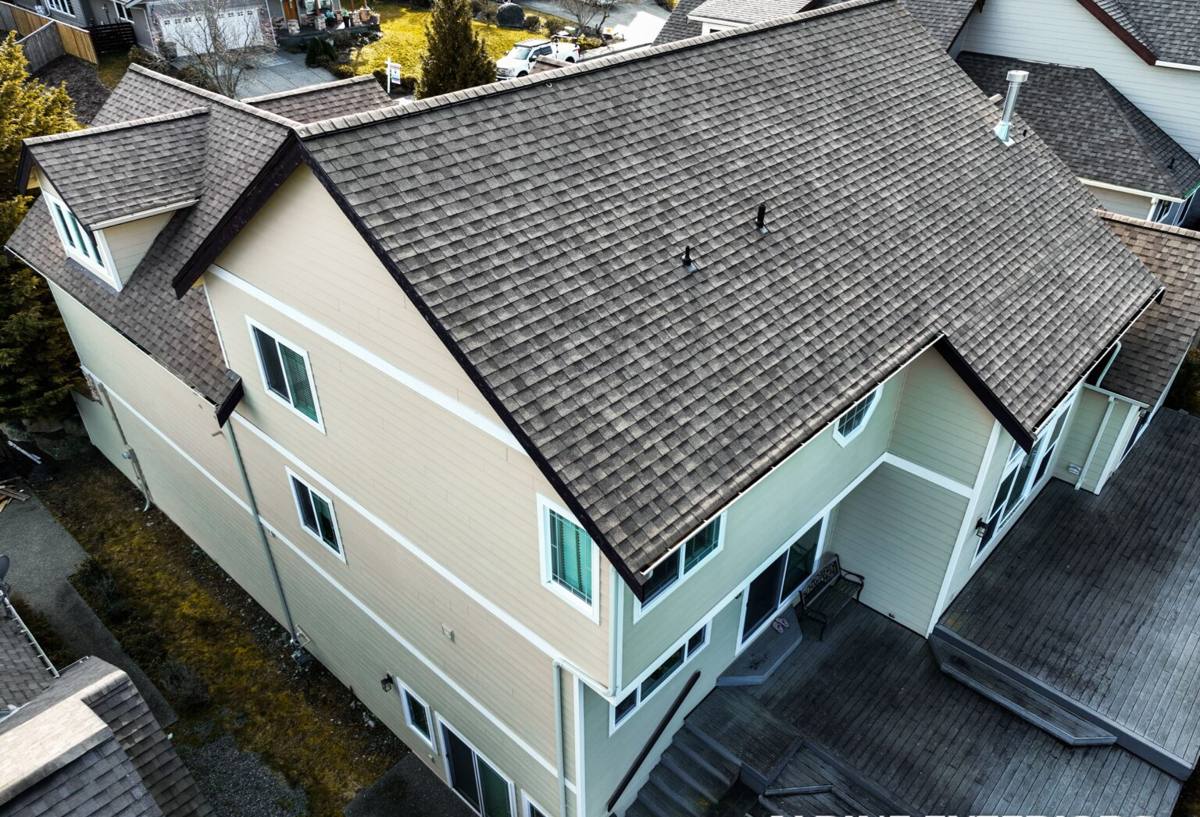
Sarasota County gets strong, direct sun for most of the year, and Osprey's more open, waterfront-adjacent lots often mean less shade than deeper inland. UV breaks down the lignin in wood fibers, which is why untreated or poorly finished wood grays and roughens over time. It also degrades certain plastics and composites if they aren't formulated for it.
What this means for material choice
- Pressure-treated pine needs a UV-rated sealer or stain reapplied on a real schedule, not "when it looks bad" — by then the damage is already done to the surface fibers.
- Composite and PVC decking vary a lot in fade resistance. Cap-stock products with a UV-stabilized outer layer hold color far better than uncapped composite boards.
- Dense hardwoods (ipe, cumaru, and similar species) resist UV degradation structurally but will still gray without oiling — that's cosmetic, not a failure, but it should be set as an expectation up front.
- Metal hardware exposed to direct sun and heat expands and contracts more than shaded hardware, which is one more reason fastener quality matters more here than in milder climates.
Salt Air and Corrosion: The Detail Most Decks Get Wrong
Being near the Intracoastal and Little Sarasota Bay means airborne salt is a constant, even for homes that aren't directly waterfront. Salt air accelerates corrosion on anything ferrous, and it doesn't take direct ocean spray to do it — humid, salt-carrying breeze off the bay is enough over months and years.
This is where a lot of decks fail early, and it's almost always invisible until it isn't. Standard electro-galvanized screws and joist hangers can start corroding within a couple of years in this environment. Once a fastener weakens, it's not a cosmetic issue — it's a structural one, especially at ledger connections and joist hangers that carry real load.
What a correctly built deck uses
- Stainless steel (typically 305 or 316 grade) or high-quality coated fasteners rated for coastal, ACQ-treated lumber contact.
- Hot-dip galvanized or stainless joist hangers and structural connectors, not the cheapest hardware on the shelf.
- Fastener and lumber treatment chemistry that are compatible with each other — mismatched metals in contact with modern ACQ-treated lumber can accelerate corrosion instead of preventing it.
Wind-Driven Rain and Water Management
Florida rain doesn't fall straight down during a storm — it comes in sideways, and a deck attached to a house has to manage that water without letting it get behind the siding or into the ledger connection. The ledger board — where the deck attaches to the house — is the single most common source of long-term rot and hidden damage on any deck, and wind-driven rain makes it worse here than in calmer climates.
The details that actually prevent problems
- Proper flashing behind the ledger board, integrated with the house's existing water-resistive barrier, not just caulked over.
- A gap or drainage path between the ledger and the siding above it so water doesn't pool and wick behind the wall.
- Correct spacing between deck boards so water sheds through instead of sitting on the surface.
- Grading and drainage under the deck so water doesn't collect against posts or footings.
None of this is visible once the deck is finished, which is exactly why it matters who's doing the work. A deck can look great and still have a ledger connection that's quietly failing behind the boards.
Wind Load: Building for Hurricane Season
Sarasota County's building code reflects the real hurricane risk here, and deck construction has to meet wind-uplift and lateral load requirements just like any other structural attachment to the house. This isn't optional detailing — it's inspected. Ledger fastening patterns, post-to-beam connections, and railing attachment all have to resist uplift and lateral forces, not just support the static weight of people standing on the deck.
For an elevated deck or one attached near a flood zone (common close to the water in Osprey), footing depth and post connections also need to account for local soil and, in some cases, base flood elevation requirements. This is a permit-and-inspection job, not a weekend project, and a crew that pulls permits routinely in Sarasota County knows what the inspector will actually check.
Decking Material Comparison for a Bay-Area Osprey Deck
| Material | UV/Fade Behavior | Salt Air Tolerance | Maintenance | Typical Lifespan |
|---|---|---|---|---|
| Pressure-treated pine | Grays without regular sealing | Good if hardware is upgraded | Reseal/stain every 1-2 years | 15-20 years with upkeep |
| Capped composite | Strong fade resistance | Very good | Occasional washing | 25-30 years |
| Uncapped composite | Can fade/chalk over time | Good | Periodic cleaning | 15-25 years |
| PVC decking | Excellent | Excellent | Low | 25-30+ years |
| Dense hardwood (ipe, cumaru) | Grays without oiling (cosmetic) | Very good | Annual oiling for color retention | 25+ years |
There's no single "best" answer — it depends on budget, how much upkeep the homeowner actually wants to do, and whether the deck is fully exposed or partly shaded near the tree line common in parts of Osprey.
Our Process for an Osprey Deck Build
1. Site evaluation
We look at sun exposure, proximity to water, soil conditions, drainage, and how the deck ties into the existing structure before recommending materials or a layout.
2. Design and material selection
We walk through the material comparison honestly — including what each option actually costs to maintain over ten years, not just what it costs to install.
3. Permitting
Sarasota County requires permits for deck construction, and we handle that process, including engineering documentation where the design calls for it.
4. Framing and structural connections
Proper footings sized for local soil, correctly flashed ledger attachment, coastal-rated hardware throughout, and connections built to meet wind load requirements.
5. Decking, railing, and finish
Board installation with correct spacing and fastening, code-compliant railing height and baluster spacing, and finish work matched to the material chosen.
6. Final inspection and walkthrough
We go over the finished deck with the homeowner, including a realistic maintenance schedule for whatever material was installed.
Why a Local Osprey Crew Matters
A deck built by a crew that doesn't regularly work Sarasota County's coastal conditions often looks fine on day one and shows its weaknesses two or three years later — corroded hardware, a ledger that's staying wet longer than it should, or boards that weren't rated for the UV load this area actually gets. A crew that works Osprey and the surrounding Sarasota communities routinely knows which fastener grades hold up here, what the county inspectors are checking on wind-load connections, and how the bay-side microclimate is different from a deck built five miles inland.
That local pattern recognition is the difference between a deck that needs real attention in year three and one that's still solid at year fifteen.
Deck Planning Checklist for Osprey Homeowners
- Confirm whether your lot is in a flood zone that affects footing depth or elevation requirements
- Ask what fastener and hardware grade is being used, specifically — stainless or hot-dip galvanized, not just "treated"
- Ask how the ledger board will be flashed and separated from the house siding
- Decide how much annual maintenance you actually want to do before choosing a material
- Confirm the contractor is pulling a Sarasota County permit, not working around it
- Ask about railing and stair code requirements if the deck is elevated
- Consider shade and tree coverage on your specific lot when comparing UV-exposed materials
Getting Started
If you're planning a new deck or replacing one that's showing its age in Osprey, we're happy to walk the site, talk through material trade-offs honestly, and put together a plan that's built for this specific stretch of Sarasota County's coastline. Reach out for a free, no-pressure estimate using the form below.