 Sarasota Siding
 Building New in Palmer Ranch Means Getting the Windows Right the First Time
Palmer Ranch is one of the larger master-planned communities in Sarasota County, and it's still seeing a steady mix of new single-family builds, custom homes on infill lots, and additions that require new window openings. When you're building new instead of replacing old windows, you get one real advantage: you're not fighting an existing opening. But that advantage only pays off if the windows are specified, flashed, and installed correctly against the rough opening the first time. Get it wrong at the framing stage and you're not doing a simple window swap later — you're dealing with a wall.
We install new-construction windows for homeowners and builders working in Palmer Ranch and the surrounding Sarasota area. This page covers what actually matters for this specific job in this specific climate — not a generic rundown of window types.
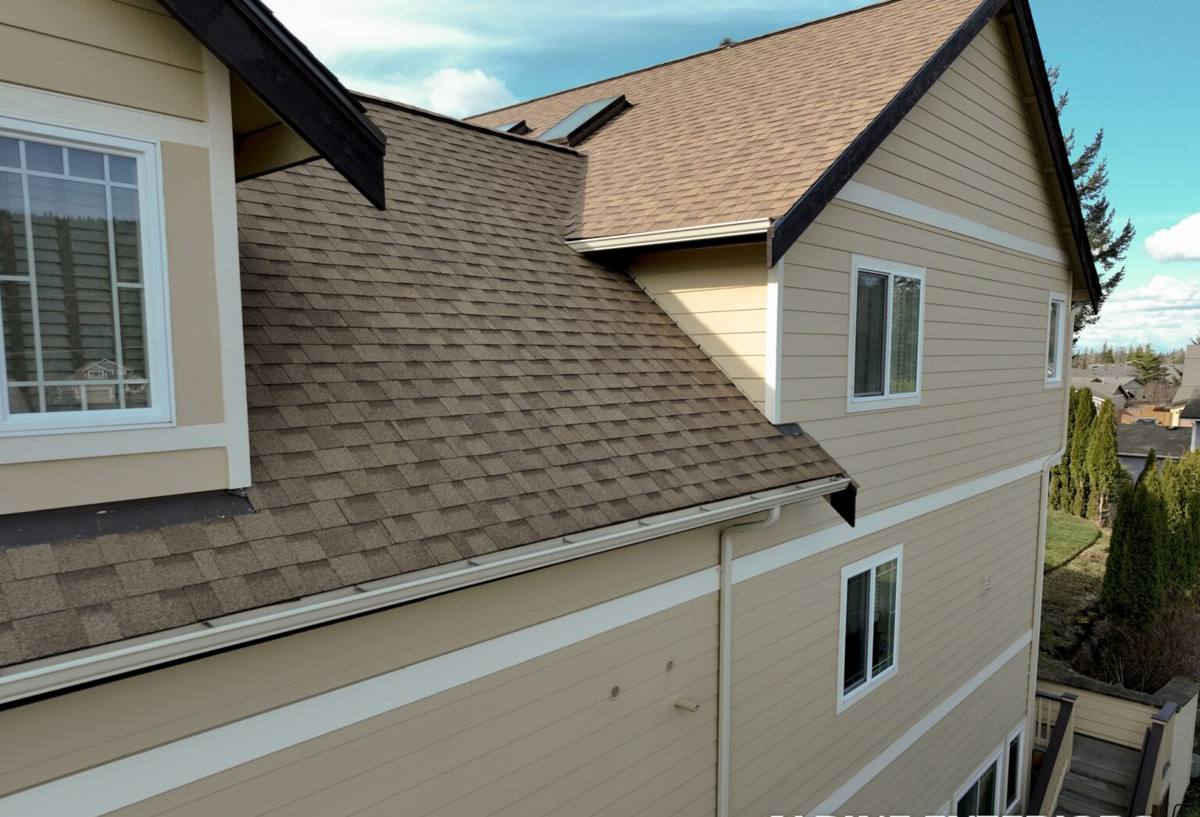
What Palmer Ranch's Climate Demands From New Windows
Hurricane-Force Wind and Windborne Debris
Sarasota County sits inside Florida's windborne debris region, which means new construction window openings have to either carry impact-rated glazing or be paired with code-approved protection. This isn't optional paperwork — it's what keeps a window intact when it takes a direct hit from flying debris during a storm, and it's what keeps the building envelope from failing once one opening breaks and interior pressure spikes.
Year-Round UV Exposure
Florida sun is hard on glass, frames, and interior finishes all year, not just in summer. Windows without a quality Low-E coating let in more heat and more UV than they should, which shows up as higher cooling bills and faded flooring, furniture, and window treatments over a few years.
Wind-Driven Rain
Sarasota's storms don't just drop rain straight down — wind pushes it sideways, right at the wall. A new-construction window opening has to be flashed so water is directed back out and away from the framing, not just sealed with caulk and hoped for the best.
Salt Air and Coastal Corrosion
Palmer Ranch isn't right on the water, but it's close enough that salt-laden air is a factor, especially for anything with exposed metal hardware, screws, or fasteners. Cheaper hardware corrodes faster here than it would inland, and that corrosion is what causes operable windows to bind or leak years down the road.
New-Construction Windows vs. Replacement Windows: Why the Difference Matters
These are genuinely different products and different installation methods, and mixing them up leads to problems.
New-construction windows typically have a nailing fin (or flange) around the perimeter of the frame. That fin gets integrated directly with the house wrap or weather-resistive barrier and the sill flashing before siding or stucco goes on, creating a continuous drainage plane. This is only possible when the wall is open — which is exactly the situation on a new build, an addition, or a full gut-to-studs project.
Replacement windows, by contrast, are built to fit into an existing finished opening without disturbing the surrounding wall — the frame is sized to tuck inside the old one. They're a different product for a different situation, and they involve a different set of trade-offs around flashing and water management because you don't have access to the rough opening or the wall's weather barrier.
If your project is new construction, insist on true new-construction (flange) windows installed against an open, accessible rough opening. That's the only way to get factory-engineered flashing performance instead of a field-improvised patch.
Florida Building Code and What It Means for Your Window Order
Every new window opening in Sarasota County has to satisfy the Florida Building Code, and a few provisions matter more than others for this project:
- Windborne debris protection: openings need impact-rated glazing or code-compliant shutters/protection, sized correctly for the wall's design pressure.
- Design pressure ratings: every window carries a rating for how much wind pressure it can handle, and that rating has to match what the specific wall location requires — corner openings and taller walls often need a higher-rated unit than a sheltered opening on the same house.
- Egress requirements: bedroom windows need to meet minimum clear opening dimensions for emergency escape, which affects which sizes and operating styles are usable in those rooms.
- Energy code: Florida's energy code sets limits on how much heat and UV a window can let through, verified through NFRC labeling on the glass.
- Product approval: the specific window model has to carry a valid Florida product approval or equivalent testing documentation on file for the permit.
None of this is something a homeowner should have to track down alone. Part of doing this job correctly is making sure every window ordered for a Palmer Ranch address is actually approved for that address's wind exposure and code requirements — not just "hurricane rated" in a general sense.
What a Correct New-Construction Window Installation Involves
A window is only as good as the opening it sits in. Here's what we check and do on every new-construction install:
- Verify the rough opening is square, plumb, and sized correctly before the window ever arrives on site
- Confirm the specified window's design pressure and impact rating match that opening's actual wind exposure
- Install sill pan flashing so any water that gets past the glazing drains back outside, not into the wall cavity
- Integrate the nailing fin with the house wrap in the correct shingle-lap sequence — sides and head lapped over the sill flashing
- Apply flashing tape or a compatible sealant at all flange edges and corners, not just a bead of caulk
- Set the window level and plumb, then fasten per the manufacturer's schedule — not "close enough"
- Insulate the gap between frame and framing without overpacking, which can bow the frame
- Photograph flashing details before they're covered by siding or stucco, for your records
- Confirm interior and exterior trim, sealant beads, and weep paths are clear and functioning
Skipping any one of these steps is how a brand-new window ends up with a hidden leak two or three rainy seasons later — long after the wall is closed up and nobody's looking at it anymore.
Choosing Frames and Glass for This Climate
There's no single "best" window for every Palmer Ranch home — it depends on the wall's wind exposure, your budget, and how much upkeep you want to deal with. Here's how the common choices stack up for this climate:
| Option | Strengths Here | Trade-Offs |
|---|---|---|
| Vinyl frame, impact glass | No painting or corrosion, good value, solid energy performance | Slightly less rigid than aluminum on very large openings |
| Aluminum frame, impact glass | Strong, slim sightlines, handles large openings well | Conducts more heat unless thermally broken; needs quality finish to resist salt air |
| Impact-rated glazing | Laminated glass stays intact after impact; often skips shutter storage entirely | Higher upfront cost than standard glass plus separate shutters |
| Standard glass + code shutters | Lower window cost | Shutters must be deployed before every storm; added maintenance and storage |
We'll walk through this trade-off with you based on your actual walls and budget, not push one product line as the only answer. Both a well-built impact window and a standard window with proper shutters can meet code — the right call depends on how you want to live with the house.
How We Work With Builders and Homeowners in Palmer Ranch
On a new build or addition, window installation has to slot into the framing and dry-in schedule without holding up the rest of the crew. Our process:
- Review plans and window schedule with the builder or homeowner before ordering, confirming sizes, ratings, and egress requirements against the actual layout
- Verify lead times on ordered units against the framing schedule so the job doesn't sit waiting on product
- Coordinate on-site timing with the framing and house-wrap crews so flashing sequencing is done in the correct order
- Install and flash each opening per manufacturer instructions and Florida Building Code
- Document flashing and installation details before they're covered by exterior finish
- Walk the finished openings with you or the builder before final trim and siding close everything in
Because we work in Palmer Ranch and elsewhere in Sarasota County regularly, we already know the county's permitting process and inspection expectations, which cuts down on the back-and-forth that slows other crews down.
Cost Factors for New-Construction Window Packages
Costs vary a lot by house, so we won't quote a number here that doesn't mean anything without seeing your plans. What actually drives the price on a Palmer Ranch job:
| Factor | Why It Matters |
|---|---|
| Number and size of openings | Larger and more numerous windows raise material and labor cost directly |
| Impact glass vs. standard glass + shutters | Impact glazing costs more per unit but removes an ongoing shutter step |
| Frame material | Vinyl, aluminum, and specialty finishes carry different price points |
| Design pressure rating required | Higher-exposure walls need higher-rated (and pricier) units |
| Operating style | Fixed picture windows generally cost less than casement or awning units of the same size |
| Access and timing | Coordinating around an active build schedule can affect labor efficiency |
Why Hiring a Crew That Already Works Palmer Ranch Matters
A window installer who only occasionally works in Sarasota County has to relearn the local permitting process, the county's inspection expectations, and the area's wind exposure conditions on every job. A crew that already works Palmer Ranch regularly knows what the building department wants to see, knows how the coastal-adjacent climate here treats different materials over time, and isn't guessing at design pressure requirements for your specific lot.
That familiarity shows up in fewer inspection delays, fewer callbacks, and windows that are actually specified correctly for the wall they're going into — not just "hurricane rated" in the abstract.
If you're planning a new build, addition, or major renovation in Palmer Ranch and need windows specified and installed correctly from the start, we're happy to walk your plans and give you a free, no-pressure estimate. Use the form below to get started.