 Sarasota Siding
 Roof Replacement in Laurel Park: Built for This Climate, Not a Generic One
Laurel Park sits close enough to downtown Sarasota and the bay that its roofs take on a different kind of punishment than roofs ten miles inland. The combination of salt-laden air, dense tree canopy in older sections of the neighborhood, and direct exposure to wind-driven rain during Gulf storms means a roof here ages differently than the same roof would in a drier, less coastal-influenced part of the county. A roof replacement in this neighborhood isn't just about swapping old shingles for new ones — it's about matching the system to what Sarasota County actually throws at it.
This page covers what a correct roof replacement looks like specifically for Laurel Park homes: the housing stock we typically see, the failure points that show up first in this micro-climate, how our process works from tear-off to final inspection, and what to ask before you hire anyone to do this job.
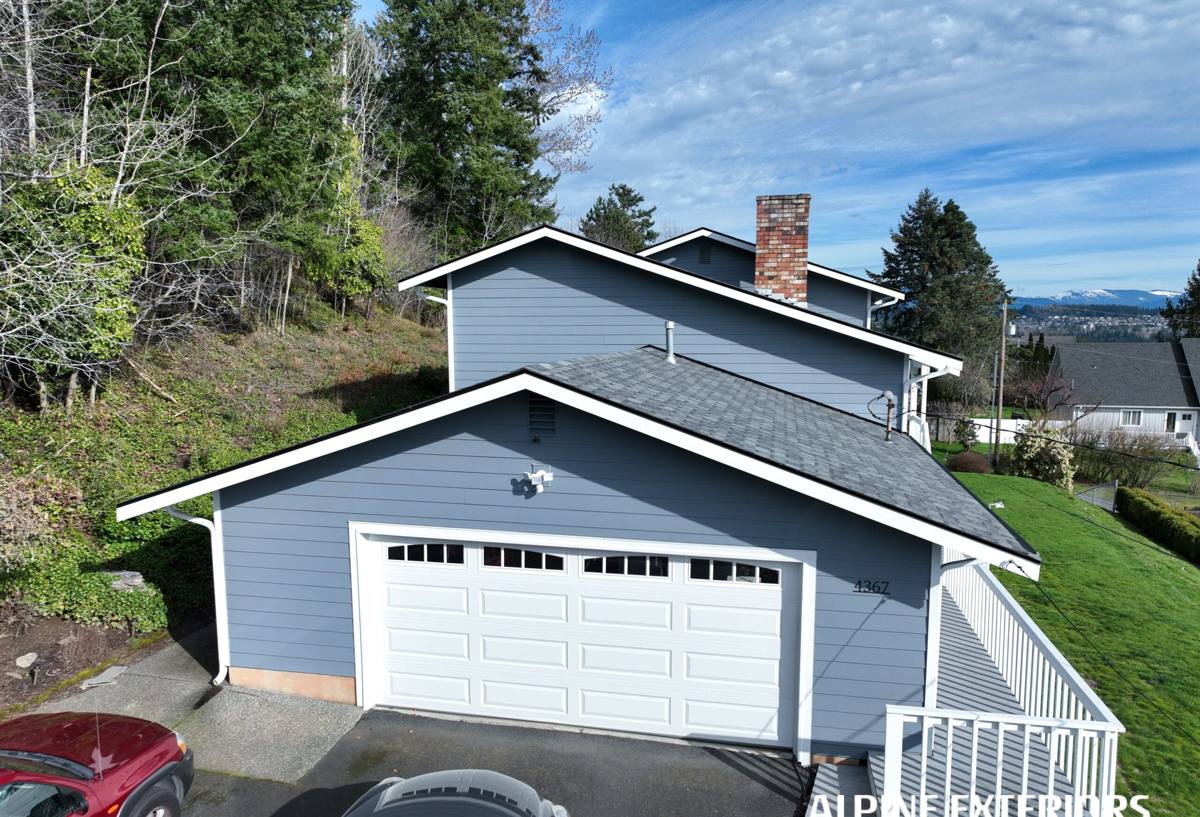
Why Laurel Park Roofs Age the Way They Do
Laurel Park is one of Sarasota's older in-town neighborhoods, which means a good mix of roof ages, roof types, and past repair histories on any given block. A few things consistently affect roofs here more than in newer subdivisions further from the coast:
- Salt air corrosion: Metal fasteners, flashing, and exposed hardware corrode faster this close to the water, even a few miles inland. Cheap or mismatched fasteners fail years before the roofing material itself does.
- Tree canopy: Mature oak canopy common in older Sarasota neighborhoods drops debris, holds moisture on the roof surface longer after rain, and can abrade shingles or tile in wind. It also means gutters and valleys clog faster.
- Mixed roof ages: Additions, garage conversions, and past patch jobs are common on older homes. It's not unusual to find two or three different roofing systems tied together on one house, each aging at a different rate.
- UV load: Florida's year-round sun breaks down asphalt oils and degrades underlayment steadily, regardless of storms. A roof can look intact and still be failing from UV exposure alone.
None of this means Laurel Park roofs fail faster across the board — it means the failure points are specific, and a crew that hasn't worked this kind of housing stock in this kind of setting can miss them.
Signs a Laurel Park Roof Needs Replacement, Not Repair
Homeowners often ask us to look at a leak and end up with a much bigger question: is this a patch situation or a full replacement? A few honest markers we use:
Repair is usually enough when:
- The roof is under roughly 10-12 years old with an otherwise sound deck
- Damage is isolated to one section — a boot, a valley, a section lifted by wind
- There's no widespread granule loss, curling, or soft decking underneath
Replacement is the honest recommendation when:
- The roof is past or near the end of its rated service life
- Multiple past repairs are visible, especially around valleys and penetrations
- There's soft or spongy decking in more than one spot, which usually points to a moisture problem that's been ongoing under the surface
- Insurance or wind-mitigation inspections are flagging the roof's age or condition
We'll tell you straight which category your roof falls into. A roof replacement is a significant expense, and pushing one on a homeowner who only needs a repair isn't how we want to be known in this neighborhood.
Choosing the Right System for This Neighborhood
There's no single "best" roofing material for Laurel Park — the right call depends on the home's structure, its roof pitch, HOA or architectural review considerations common in older Sarasota neighborhoods, and your budget. Here's how the common options compare for a coastal Sarasota County setting:
| Material | Wind performance | Salt-air durability | Typical lifespan (Southwest FL) | Notes |
|---|---|---|---|---|
| Architectural asphalt shingle | Good, with rated fasteners and proper nailing pattern | Moderate — check flashing metal quality | 15-25 years | Most common, most budget-friendly, wide color range for historic-style homes |
| Standing seam metal | Excellent | Very good with coastal-rated coatings | 30-50 years | Higher upfront cost, often qualifies for wind-mitigation insurance credits |
| Concrete or clay tile | Very good when properly fastened | Good | 30-50 years | Heavier — deck must be verified to carry the load; common on Spanish and Mediterranean-style homes in the area |
| Flat/low-slope membrane (additions, porches) | Depends on installation and edge detailing | Good with correct materials | 15-25 years | Common on older home additions and Florida rooms; edge and drain detail matter more than material choice |
We'll walk through this table with you against your actual roof, not in the abstract. A lot of older Laurel Park homes have more than one roof plane or pitch, which sometimes means a primary material plus a compatible low-slope solution over an addition.
What a Correct Roof Replacement Actually Involves
A roof replacement is more than removing old material and nailing down new. Each of these steps matters, and skipping any of them is where most premature roof failures start:
1. Full tear-off and deck inspection
We remove the existing roofing down to the deck rather than layering over it. This is the only way to actually see the plywood or plank decking underneath — which, on older homes, sometimes has soft or delaminated sections that need to be replaced before anything new goes down.
2. Underlayment matched to exposure
Given the UV load and wind-driven rain typical of this area, we use underlayment rated for the exposure the roof will actually see, not the cheapest code-minimum option.
3. Flashing and penetration detail
Chimneys, vents, skylights, and wall transitions are where most leaks originate — not the field of the roof. Corrosion-resistant flashing, properly lapped and sealed, matters more here given the salt air than it does further inland.
4. Fastening to current wind code
Sarasota County follows Florida Building Code wind-load requirements, which dictate nailing patterns, fastener type, and in some cases secondary water barriers. This isn't optional and it isn't the place to cut corners — it's also what insurance wind-mitigation inspections check for.
5. Ventilation
Proper attic and roof ventilation extends the life of the roofing material and helps control the moisture and heat buildup that's constant in this climate. A new roof installed over inadequate ventilation will underperform its expected lifespan.
6. Final inspection and cleanup
Local permit inspection sign-off, plus a magnetic sweep of the property for stray nails and full site cleanup before we consider the job finished.
Our Process, Start to Finish
- Free on-site assessment — we inspect the roof, deck, attic ventilation, and flashing points, and give you a straight answer on repair versus replacement.
- Written estimate — material options, scope, and price laid out clearly, no vague allowances.
- Permitting — we pull the required Sarasota County/City of Sarasota permits before work starts, as applicable to your property.
- Material delivery and site prep — protecting landscaping, driveways, and adjacent structures before tear-off begins.
- Tear-off and deck repair — full removal, deck inspection, and replacement of any compromised decking.
- Installation — underlayment, flashing, and roofing material installed to code and manufacturer specification.
- Inspection and walkthrough — permit inspection, then a walkthrough with you before final payment.
Permits, Wind Mitigation, and Insurance in Sarasota County
A roof replacement in Sarasota County requires a permit, and the work has to meet current Florida Building Code wind provisions — this isn't paperwork for its own sake, it's what keeps the roof performing in a hurricane and what your insurer will check for. After a qualifying replacement, it's worth getting an updated wind-mitigation inspection: many insurers offer meaningful premium credits for features like a properly rated roof deck attachment, secondary water barrier, and hurricane-rated fastening, which a correctly documented replacement will typically include. We handle the permit process as part of the job and can point you toward getting a wind-mitigation inspection scheduled afterward.
What Roof Replacement Costs Depend On
We don't publish flat prices because roof replacement cost genuinely varies by home — but these are the real drivers, in rough order of impact:
| Factor | Why it matters |
|---|---|
| Roof size and number of planes | More square footage and more valleys/hips mean more material and labor |
| Material choice | Asphalt shingle is the most budget-friendly; metal and tile cost more upfront but last longer |
| Deck condition | Soft or damaged decking found during tear-off adds material and labor not visible from the ground |
| Roof pitch and access | Steep or hard-to-access roofs take longer and require more safety setup |
| Number of penetrations | Chimneys, skylights, and multiple vents each add flashing labor |
| Permit and code requirements | Some older homes need additional bracing or ventilation upgrades to meet current code |
We give you the specific numbers for your roof during the on-site estimate — general online price ranges rarely reflect what an individual home actually needs.
Why It Matters to Hire a Crew That Already Works Laurel Park
Roofing crews that work all over the region, or fly in for storm work, don't always know the specifics of an in-town Sarasota neighborhood like Laurel Park — the mix of older and newer construction, the tree canopy considerations, the local permitting process, or how salt air affects material choices this close to downtown. A crew that regularly works this neighborhood recognizes these patterns quickly instead of learning them on your roof. That familiarity shows up in fewer surprises during tear-off, a smoother permit process, and a roof system chosen for what actually holds up here — not just what's fastest to install.
A short checklist before you hire anyone for a roof replacement:
- Are they licensed and insured in Florida, and can they show you proof without hesitation?
- Do they pull permits themselves, or ask you to do it?
- Will they inspect and document deck condition before quoting a final price, or quote sight-unseen?
- Do they explain material trade-offs honestly, or push one product regardless of your home?
- Do they have local experience with Sarasota County wind code and wind-mitigation documentation?
If a contractor can't answer these plainly, that's worth noticing before you sign anything.
If your Laurel Park roof is showing its age, or you just want a straight answer on repair versus replacement, we're happy to take a look. Use the form below to request a free, no-pressure estimate — we'll inspect the roof, explain what we find, and give you honest options.