 Sarasota Siding
 Building a Deck That Holds Up in Rosemary District's Climate
Rosemary District sits close to downtown Sarasota and close to the bay, which means any outdoor structure here deals with the same conditions the rest of Sarasota County contends with, just concentrated: hurricane-force wind gusts during storm season, intense UV exposure nearly every day of the year, wind-driven rain that finds its way into every gap and seam, and a steady dose of salt air carried in off the water. A deck that isn't built with those four forces in mind will show problems within a few seasons — cupped boards, rusted fasteners, loose railings, or worse, a structure that's no longer safe to stand on. A deck that is built correctly can handle decades of that same exposure without drama.
This page is about what a correctly built deck looks like specifically for homes in this part of Sarasota, and what our process looks like when we build one.
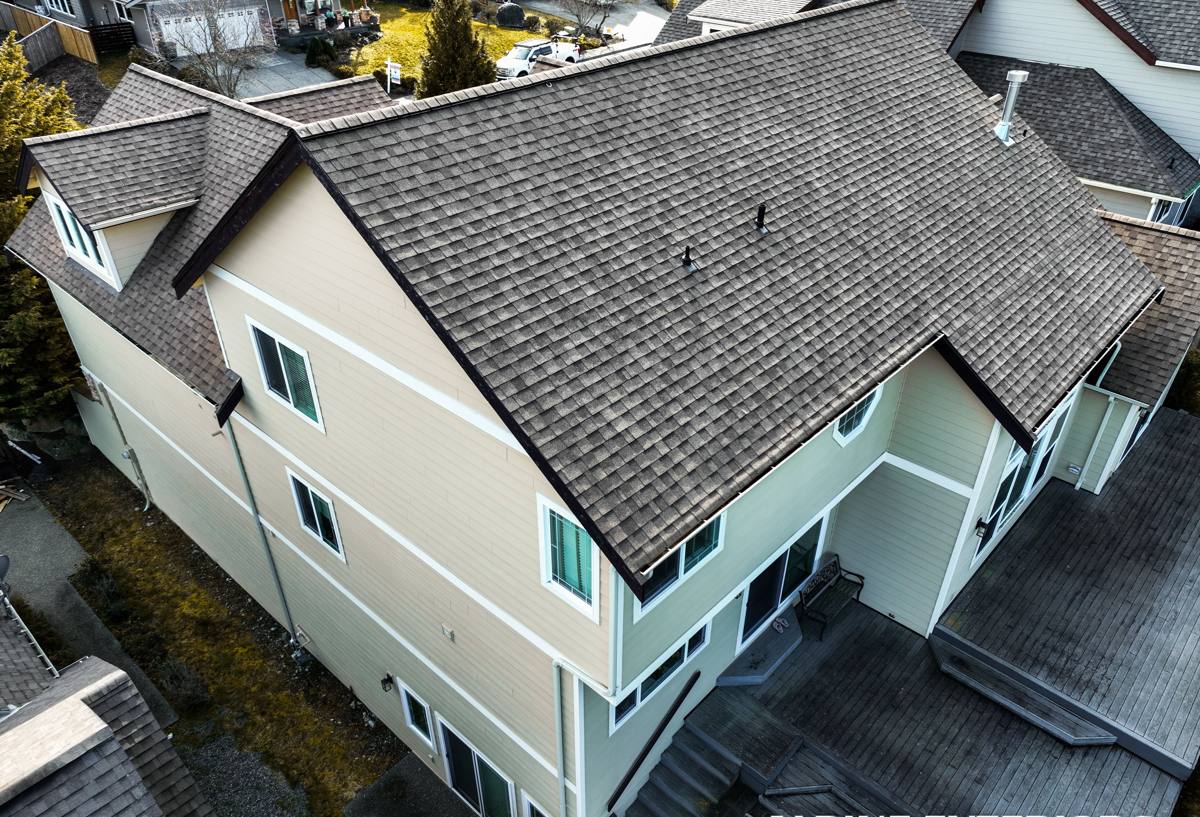
What Makes Rosemary District Deck Projects Different
Rosemary District is a mix of older, established homes and newer construction, sitting on generally smaller urban lots close to downtown. That combination shapes how a deck project actually gets built:
- Tighter lots mean tighter access. Material staging, equipment access, and working around neighboring structures all take more planning than they would on a large suburban lot.
- Older homes need careful ledger work. Attaching a deck to an existing house structure means first understanding what that structure actually is — old framing, prior additions, and non-standard construction all change how (and whether) a ledger board should be used at all.
- Newer builds often have stricter HOA or design guidelines. Some newer construction in and around the district comes with architectural review requirements that affect material choice, railing style, or deck height.
- Proximity to downtown and the bay means more direct wind and salt exposure than homes further inland, even a few miles east.
None of this is exotic — it's just detail work. But it's detail work that only shows up when a crew has actually built decks in this specific part of the city, not just generically "in Sarasota."
Choosing the Right Decking Material for Sarasota's Weather
There's no single "best" decking material — there's a best material for a given budget, maintenance appetite, and how much direct sun and salt exposure the deck will see. Here's how the common options actually perform under Sarasota conditions:
| Material | UV / Heat Behavior | Moisture & Salt Air | Maintenance |
|---|---|---|---|
| Pressure-treated pine | Fades and can check/crack under constant sun unless refinished | Handles moisture well when properly treated and sealed; fasteners are the weak point | Needs re-staining or sealing every 1–2 years |
| Tropical hardwood (e.g., ipe-type woods) | Very stable in heat; will silver over time without oil treatment | Naturally dense and rot-resistant; still needs correct fasteners | Periodic oiling to maintain color; low rot maintenance |
| Capped composite | Stays cooler-running lines available; some uncapped composites fade or chalk | Excellent — doesn't absorb moisture or salt like wood | Occasional washing; no staining or sealing |
| PVC / cellular decking | Fully synthetic; handles constant sun without cracking | Best moisture and salt resistance of the group | Lowest maintenance; higher upfront cost |
We don't push one material on every homeowner. A pressure-treated deck that's properly sealed and maintained on a normal schedule can look great for many years. A composite or PVC deck costs more up front but removes most of the maintenance burden, which matters if the deck sits in full sun most of the day, which is common on the more open lots in this neighborhood.
What We Steer Homeowners Away From
We're cautious about uncapped, low-grade composite boards that were common years ago — some of those products absorb moisture at the edges and develop mold or swelling over time in humid coastal climates. It's less a product being "bad" and more a matter of matching the product generation and grade to Sarasota's humidity and salt exposure. We'll always tell you honestly what a given material's real-world trade-offs are before you commit to it.
What's Underneath Matters More Than What's On Top
Homeowners naturally focus on decking material — the part they'll walk on and look at. But the structure underneath is what determines whether the deck survives a tropical storm season, and it's where corner-cutting does the most long-term damage.
Framing and Fasteners
Standard galvanized fasteners corrode faster near the coast than most homeowners expect. On Rosemary District projects we use stainless steel or heavy-duty coated fasteners and hardware rated for coastal exposure, especially for joist hangers, structural screws, and any hardware that's hidden once the decking goes down — because that's the hardware you can't easily inspect or replace later.
The Ledger Connection
Where a deck attaches to the house is the single most common point of structural failure in decks nationwide, and it's a bigger issue on older homes where the original framing wasn't built with a deck attachment in mind. We evaluate the existing structure first — sometimes that means a properly flashed and bolted ledger connection, and sometimes it means an independent, freestanding deck frame is the more honest answer for an older structure.
Footings and Posts
Post footings need to be sized and set to local frost-free, load-bearing standards for Sarasota County soil conditions, with posts set to resist both vertical load and horizontal wind uplift. Undersized or shallow footings are one of the more common issues we find when repairing or replacing older decks in the area.
Permitting, Wind Load, and Sarasota County Code
Sarasota County enforces Florida Building Code wind load requirements, which for this part of the state means design for high-velocity hurricane wind exposure. A code-compliant deck isn't just "sturdy" — it's engineered and fastened to resist uplift and lateral load in a way that meets a specific, inspectable standard. That covers things homeowners rarely think about: hardware-rated hurricane ties, correct post-to-beam and beam-to-joist connections, and railing systems that meet both height and load requirements.
We handle the permitting process as part of the job — plans, permit submission, and scheduling the required inspections — so you're not the one navigating county requirements on your own. Skipping permitting on a new deck build is a real risk: it can complicate a future home sale, cause insurance issues after storm damage, and in some cases requires the structure to be torn out and rebuilt to code anyway.
Our Deck Building Process
- On-site consultation. We look at your lot, the existing structure if attaching to the house, sun and wind exposure, and talk through material options and budget honestly.
- Design and material selection. We put together a layout that fits the lot and your goals — entertaining space, pool deck, simple back porch replacement — along with a clear material and hardware plan.
- Permitting. We prepare and submit the permit package to Sarasota County and schedule inspections at the required build stages.
- Framing and structural work. Footings, posts, beams, joists, ledger or freestanding frame — built to code with corrosion-resistant hardware throughout.
- Decking, railing, and finish work. Decking installed with correct spacing for material expansion, railings set to code height and load spec, stairs built to match.
- Final walkthrough. We go over the finished deck with you, including a realistic maintenance schedule for whatever material you chose.
Railings, Stairs, and Finishing Details
Railings and stairs are where a lot of decks either look finished or look like an afterthought. Beyond meeting code height and baluster spacing requirements, railing material should match the same climate logic as the decking itself — wood railings need the same sealing schedule as wood decking, while aluminum or composite railing systems hold up with far less upkeep in salt air. Stair stringers, being closer to grade and ground moisture, are one of the first places rot shows up on an under-built deck, so we treat that structural detail with the same care as the main frame, not as an afterthought tacked on at the end.
Maintenance Checklist for Coastal Decks
Whatever material you choose, a little regular attention goes a long way in this climate. A simple seasonal routine:
- Rinse salt residue and debris off the deck surface every few weeks, more often right after storms
- Check fastener heads and railing connections for looseness or rust staining once or twice a year
- Inspect the ledger board area and any spots where the deck meets the house for signs of water intrusion
- Re-seal or re-stain wood decking on the schedule appropriate to the product (typically every 1–2 years)
- Keep gutters and downspouts near the deck clear so runoff isn't draining directly onto framing or footings
- Trim back landscaping that traps moisture against the deck structure
Cost Factors to Expect
Every deck project is different, but the main variables that move the price are consistent:
| Factor | Why It Matters |
|---|---|
| Deck size and footprint | More square footage means more framing, footings, and decking material |
| Material choice | Pressure-treated is the lowest upfront cost; hardwood, composite, and PVC cost more but reduce long-term maintenance |
| Height and grade change | Elevated decks need more structural framing and code-required railing and stair work |
| Attachment type | Ledger-attached vs. freestanding framing changes both labor and, on older homes, structural prep work |
| Site access | Tighter urban lots can affect equipment access and staging, which factors into labor |
| Permitting and engineering | Larger or elevated decks may require additional engineering review beyond standard permitting |
We'll walk through these factors with you directly and give you a clear, honest range before any work starts — no surprise line items after the fact.
Why Hire a Crew That Already Works Rosemary District
A deck builder who already understands this neighborhood's mix of older homes and newer construction, its lot sizes, and Sarasota County's permitting process saves you time and avoids costly mistakes — like a permit rejection over an undersized footing, or a ledger attachment that doesn't work with your home's actual framing. Local experience also means we're familiar with how homes in this part of Sarasota hold up over a full hurricane season, not just how they look on the day the deck is finished.
If you're planning a new deck or replacing an aging one in Rosemary District, we're happy to take a look and talk through honest options for your property. Reach out for a free, no-pressure estimate using the form below.