 Sarasota Siding
 Siding Installation Built for a Barrier Island
Longboat Key sits out on the Gulf, a narrow strip of land with saltwater on both sides. That location is exactly what makes it one of the most desirable addresses in the Sarasota area — and exactly what makes siding installation here a different job than siding installation five miles inland. Homes on the key take on constant salt-laden air, direct Gulf wind, driving rain during storms, and some of the most intense year-round UV exposure in the state. Siding that would hold up fine in a shaded inland neighborhood can fail early out here if it isn't the right material, installed the right way.
We install siding across Sarasota County, and Longboat Key is part of our regular route. That matters more than it sounds like it should. A crew that already knows what barrier-island exposure does to a wall system approaches the job differently than a crew seeing it for the first time — from the material they'll install to the details they won't skip.
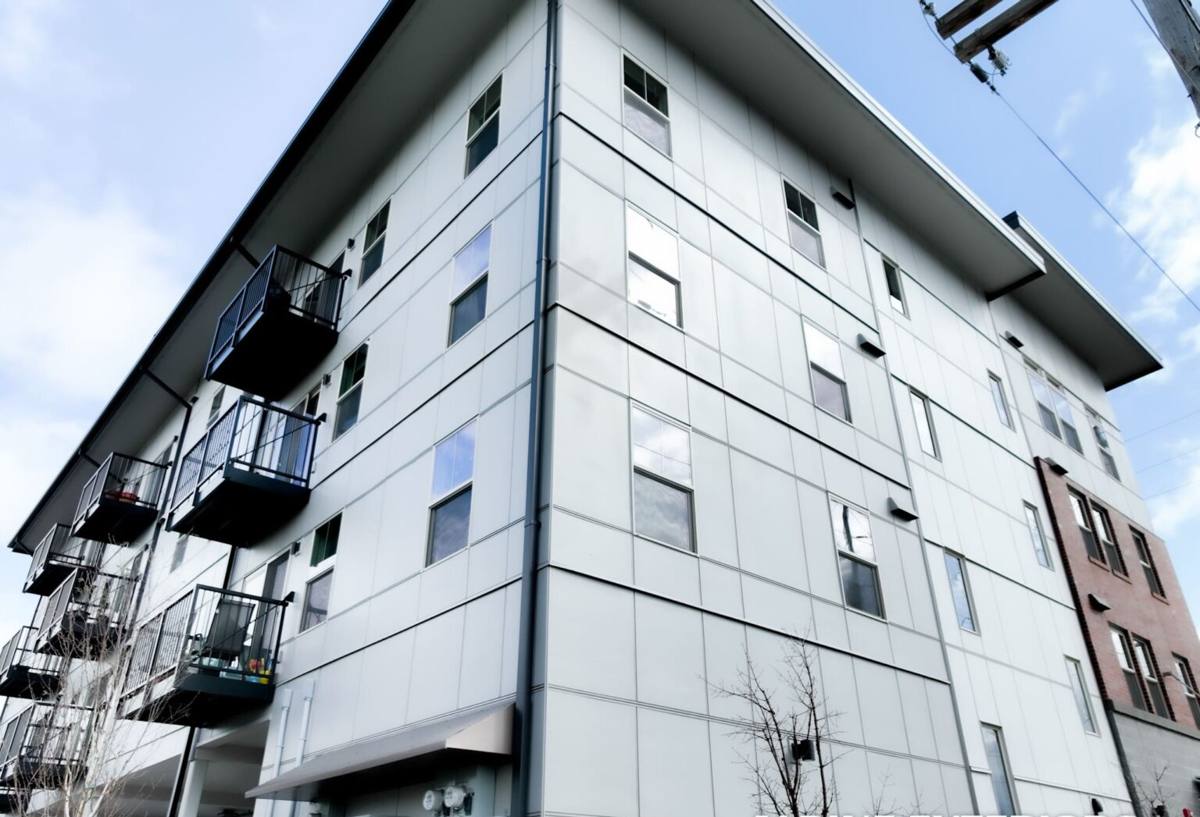
What Longboat Key's Climate Actually Does to Siding
Every coastal town deals with weather. Longboat Key deals with a concentrated version of it because there's no inland buffer — the Gulf and the bay are both close, and wind off the water carries salt directly onto exterior walls.
Salt Air
Airborne salt settles on siding, trim, and fasteners year-round, not just during storms. Over time it accelerates corrosion in metal fasteners and trim, and it can degrade materials that aren't formulated to resist it. Siding facing the water side of a home usually shows wear first.
Wind and Wind-Driven Rain
Longboat Key sees higher sustained wind than inland Sarasota on an ordinary day, and hurricane-force gusts during storm season. Wind doesn't just test how well siding is fastened — it drives rain sideways and upward, pushing water into laps, seams, and penetrations that a calmer climate would never stress.
Year-Round UV
Florida sun is intense everywhere, but a barrier island with open water on two sides gets reflected UV on top of direct sun. Paint and coatings that aren't engineered for this level of exposure chalk, fade, and break down faster than their rated lifespan suggests.
Humidity and Moisture Cycling
Constant humidity means siding and the wall assembly behind it rarely get to fully dry out. Materials and installation details that manage moisture poorly will show it — through swelling, staining, or rot at the substrate — faster here than almost anywhere else in the region.
Why We Only Install James Hardie Fiber Cement
We made a decision as a company to install James Hardie fiber cement siding exclusively — not vinyl, not LP SmartSide, not primed wood, not other fiber cement brands. On a barrier island like Longboat Key, that decision matters even more than it does elsewhere in Sarasota County.
Fiber cement is non-combustible, dimensionally stable, and doesn't rely on paint alone to survive UV exposure the way some engineered wood products do. James Hardie's ColorPlus finish is baked on at the factory under controlled conditions and is formulated to resist fading and chalking in intense, reflected coastal sun — the exact environment Longboat Key sits in. The company also builds region-specific product lines, including HZ5 formulations engineered for high-humidity, high-moisture climates like Florida's Gulf Coast, with performance and warranty backing that other siding materials in this category can't match.
We're not going to tell you vinyl or engineered wood are bad products in every setting — they have their place. But we've seen what constant salt air, wind-driven rain, and unrelenting UV do to materials that weren't built with that specific combination in mind, and we decided we didn't want our name on installs we didn't fully believe would hold up. Fiber cement, installed correctly, is the standard we're willing to stand behind on a barrier island.
What a Correct Installation Actually Involves
The material is only half the equation. A James Hardie installation that's rushed or done to a lower spec than the manufacturer requires will underperform no matter how good the siding itself is — and on Longboat Key, shortcuts show up faster than they would inland.
Tear-Off and Substrate Inspection
Before new siding goes up, the old material comes off and the sheathing underneath gets inspected. On coastal homes it's common to find moisture damage or soft spots hiding behind siding that looked fine from the outside. Any compromised sheathing needs to be addressed before installation continues — covering it over just traps the problem.
Weather-Resistive Barrier
A properly installed water-resistive barrier behind the siding is the wall's real defense against wind-driven rain. Seams, laps, and penetrations all need to be sealed and shingled correctly so water sheds down and out rather than finding a way in.
Flashing and Penetrations
Windows, doors, hose bibs, vents, and any other penetration through the wall are common failure points when siding fails. Correct flashing at every one of these details is non-negotiable on a home taking direct wind and rain off open water.
Fastening to Manufacturer and Wind-Zone Spec
James Hardie specifies fastener type, spacing, and placement, and those specs get stricter in high-wind zones. Barrier island homes need to be fastened to the wind-zone requirements that apply to their exposure — not a generic inland pattern. This is one of the most common places we see other installs fall short.
Caulking and Finish Details
Proper gapping, sealant at trim and joints, and clean caulking aren't cosmetic extras — they're part of how the system keeps water out. Skipped or sloppy caulking is one of the fastest ways a siding job starts failing early in a salt-air environment.
How We Approach Jobs on Longboat Key Specifically
Working on the key involves a few practical realities that don't come up on a typical mainland Sarasota job, and we plan around them rather than treating them as surprises.
- Many Longboat Key properties, especially condos and homes in managed communities, require architectural or HOA approval before exterior work begins — we build that lead time into the schedule instead of showing up unprepared.
- Material staging and site access can be tighter on the island than on a typical inland lot, so we plan deliveries and logistics accordingly.
- We time exterior work around Florida's storm season where possible, and we don't leave a wall assembly exposed and unprotected longer than necessary.
- We inspect for salt-air corrosion on existing fasteners, flashing, and trim, since that damage isn't always visible until the old siding comes off.
- We use fastening and flashing details appropriate for a high-wind coastal exposure, not a generic spec pulled from an inland job.
Comparing Siding Approaches for a Barrier Island Home
| Factor | James Hardie Fiber Cement (Our Standard) | Vinyl | Engineered Wood (e.g. LP SmartSide) |
|---|---|---|---|
| Salt air resistance | Non-combustible, dimensionally stable, factory finish engineered for coastal UV | Can warp, fade, or become brittle under sustained heat and sun | Relies on coatings and sealed edges to resist moisture intrusion |
| Wind performance | Rated and fastened to wind-zone-specific manufacturer specs | Lower impact and wind resistance than fiber cement | Wind performance depends heavily on correct installation and sealing |
| Moisture behavior | Manages humidity well when installed to spec; won't rot | Doesn't rot, but can trap moisture behind panels if not vented properly | Wood-based core is vulnerable to swelling and rot if moisture reaches it |
| Finish longevity in coastal UV | ColorPlus factory finish backed by a strong warranty | Color can fade unevenly over time | Field-applied or factory paint needs more frequent maintenance |
| Fire performance | Non-combustible | Combustible | Combustible |
Signs a Longboat Key Home Needs New Siding
Coastal exposure tends to age siding unevenly — the side facing the water usually shows problems first. Watch for these signs, especially on the Gulf-facing or bay-facing walls:
- Visible warping, buckling, or panels that have separated from the wall
- Cracking or crumbling at seams, corners, or fastener points
- Chalky, faded, or peeling finish that's worse than the age of the siding should explain
- Soft spots, staining, or a musty smell near exterior walls, which can point to moisture behind the siding
- Rust streaking from fasteners or trim, a common early sign of salt-air corrosion
- Rising energy bills that may point to a wall assembly no longer sealing the home properly
Choosing a Contractor for Siding Work on the Key
Not every siding contractor working in the Sarasota area has real experience with barrier-island conditions, and that experience is worth asking about directly.
- Ask whether they've installed siding on Longboat Key or other barrier-island properties before, not just on the mainland
- Ask what wind-zone fastening spec they use and whether it's adjusted for coastal exposure
- Ask what brand and product line they install, and why — and be wary of a contractor who installs "whatever the customer wants" with no standard of their own
- Ask how they handle HOA or architectural review requirements if your property has them
- Ask what the manufacturer's warranty actually covers, and whether it's backed by certified installation
Maintenance After Installation
Correctly installed James Hardie siding is low-maintenance, but "low-maintenance" doesn't mean "no maintenance" in a salt-air environment. A periodic rinse to clear salt buildup, prompt attention to any caulking that starts to fail, and a visual check after major storms will help the installation perform the way it's designed to for the long run. If you ever notice a section of trim, flashing, or fastener showing corrosion, it's worth having it looked at before it becomes a bigger repair.
If you're weighing siding options for a home on Longboat Key or elsewhere in the Sarasota area, we're happy to take a look and talk through what your home actually needs — no pressure, no obligation. Reach out for a free estimate using the form below.