 Sarasota Siding
 Siding Installation in Osprey: Built for This Coastline, Not a Catalog
Osprey sits in that stretch of Sarasota County where the Gulf, the Intracoastal, and open sky all have a say in how a house ages. Homes here take a different beating than a house twenty miles inland — more salt in the air, more direct sun off the water, and a wind profile that gets tested every hurricane season. Siding installed without that context in mind tends to show it within a few years: chalking, seam gaps, soft spots at the bottom courses, fastener bleed. Siding installed with it in mind can go two decades without becoming a project you think about.
This page is about one job, done right, in one place: fiber cement siding installation for Osprey homes. Not a general "why siding matters" piece — the specifics of what this particular stretch of Sarasota County does to a house, and what a correct install looks like in response.
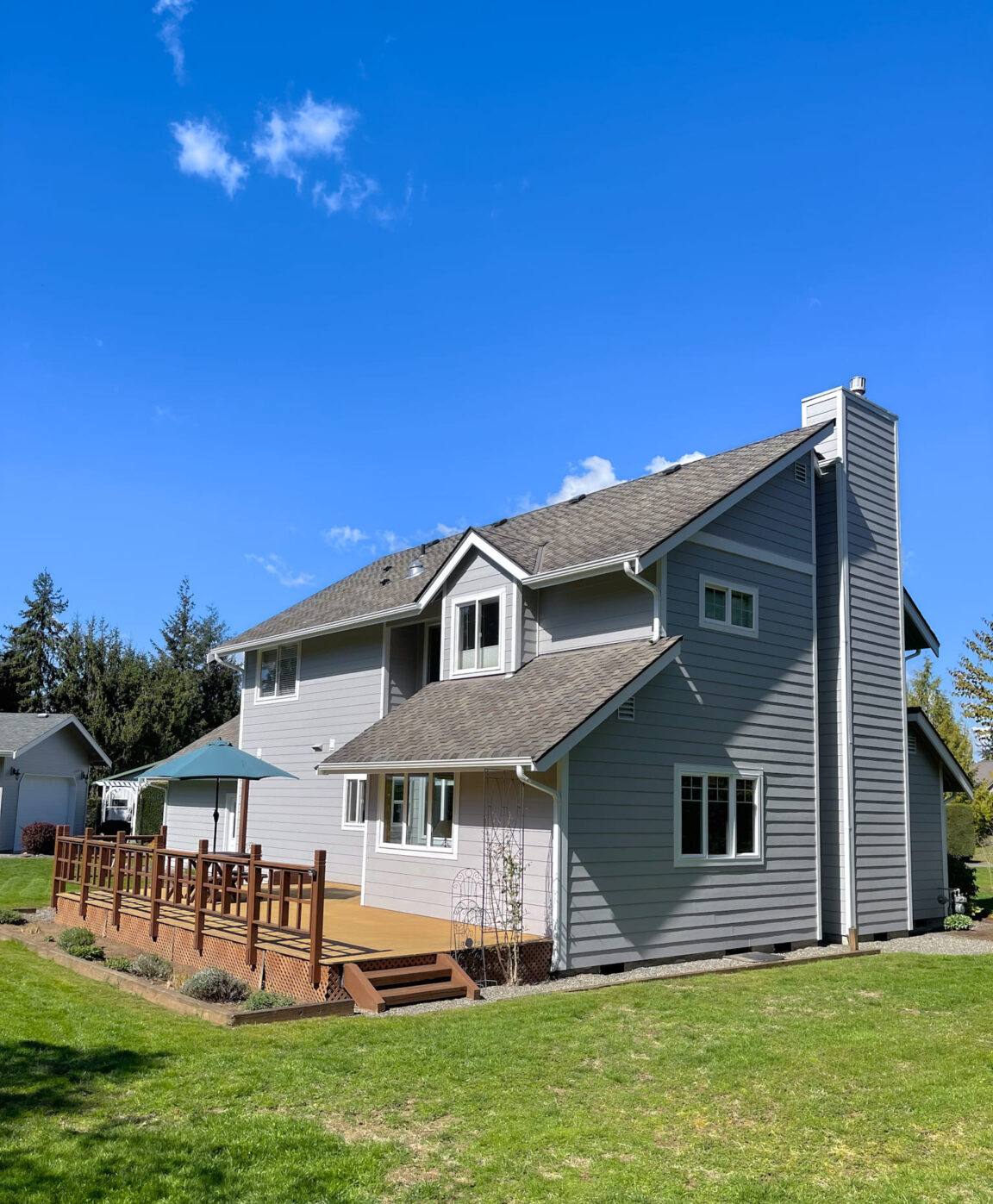
What Osprey's Climate Actually Does to Siding
Wind-Driven Rain and Hurricane-Force Gusts
Storm systems moving through this part of the Gulf coast don't just bring rain — they push it sideways, under laps and into seams that a calmer climate would never test. Fastener spacing, lap coverage, and flashing details that would pass fine in a drier region can fail here. Wind load on the wall assembly matters too; siding has to stay mechanically attached through sustained gusts, not just look fastened.
Year-Round UV Exposure
Florida sun is intense in July and still strong in January. Painted wood and lower-grade composite products chalk, fade, and lose their finish integrity faster under that kind of exposure than they would in a four-season climate. A factory-baked finish that's engineered to resist UV breakdown matters more here than almost anywhere else in the country.
Salt Air
Osprey isn't beachfront everywhere, but it's close enough to the Gulf and the bay that salt-laden air reaches most of the area regularly. Salt accelerates corrosion on fasteners and trim hardware, and it interacts badly with any siding material that isn't dimensionally stable or that relies on caulked seams to stay weather-tight over time.
Humidity and Moisture Cycling
Sarasota County runs humid most of the year, with afternoon storms adding moisture load on top of that baseline. Siding that absorbs water, or that traps moisture behind it without a way to dry out, sets up rot and mold conditions at the wall assembly — even when the surface still looks fine.
Why We Only Install James Hardie Fiber Cement Here
We don't install vinyl, LP SmartSide, or primed wood/cedar siding, and Osprey's climate is a big part of why. Vinyl can warp and become brittle under sustained UV and heat cycling, and it isn't rated for the wind speeds this county's building code accounts for in the same way rigid fiber cement is. Wood-based and engineered wood products depend on an intact factory seal to resist moisture — any breach from a nail gun, a saw cut, or storm impact opens the door to swelling and rot in a humid coastal environment.
James Hardie fiber cement is non-combustible, dimensionally stable, and doesn't rely on paint or a wood substrate to hold up against sun and moisture. Hardie engineers specific product lines (HZ5, HZ10) for different climate zones, and Sarasota County falls squarely into the humid, high-UV, coastal-influence category those lines are built for. The ColorPlus factory finish is baked on and warranted separately from the substrate, which matters directly in a place where UV does most of the damage. That's the whole reason we standardized on one product line instead of offering several — we'd rather install one thing correctly than several things with known trade-offs in this climate.
How James Hardie Compares to What We Don't Install
| Factor | James Hardie Fiber Cement | Vinyl | Wood / Primed Products |
|---|---|---|---|
| Wind resistance | Engineered for high wind-load ratings | Can deform or blow off in sustained high wind | Depends on fastening; substrate can weaken over time |
| UV / fade resistance | Factory ColorPlus finish, warranted | Chalks and fades under intense, sustained sun | Paint fails faster under year-round UV |
| Moisture behavior | Non-organic, doesn't rot | Doesn't rot but seams can let water behind it | Rots and swells if moisture reaches the substrate |
| Salt air durability | Stable; fasteners are the main concern (addressed with corrosion-resistant hardware) | Generally stable but brittle over time | Accelerated wear from repeated wet-dry salt cycling |
| Fire performance | Non-combustible | Combustible | Combustible |
What a Correct Installation Involves in Osprey
The product is only half of it. A James Hardie install that actually performs in this climate comes down to details most homeowners never see once the job is finished:
Weather Barrier and Water Management
Behind every board, there needs to be a continuous weather-resistant barrier with properly lapped and taped seams. Given how much wind-driven rain this area gets, we treat this layer as non-negotiable — it's the backup system if any water ever gets past the siding itself.
Flashing at Every Penetration
Windows, doors, hose bibs, vents, light fixtures — every penetration through the siding plane is a place water can find its way in during a wind-driven storm. Correct flashing detail at each one is what actually keeps a wall assembly dry over 20+ years, not just the siding material itself.
Fastener Spec and Placement
Hardie specifies fastener type, spacing, and placement for a reason — get it wrong and you either void the manufacturer's warranty or create a wall that can't hold up to Gulf coast wind loads. In a salt-air environment, we also pay attention to fastener material to limit corrosion over time.
Proper Clearances
Siding held too close to grade, roofing, or hardscape traps moisture and invites wicking. Manufacturer-specified clearances matter more in a humid climate where anything trapped against the siding stays damp longer.
Caulking and Joint Treatment
Factory-finished boards still need correct joint and butt-seam treatment at install. Skipping or rushing this step is one of the most common ways a otherwise-good product underperforms.
Our Process for Osprey Homes
- On-site assessment. We look at your current siding's failure points, wall assembly, and any moisture or storm damage history specific to your property.
- Product and color selection. We walk through Hardie's HZ5 lines and ColorPlus options suited to this climate and to Osprey's mix of coastal and inland-facing homes.
- Tear-off and substrate check. Old siding comes off and we inspect sheathing for hidden moisture damage before anything new goes up — a step that's easy to skip and expensive to regret later.
- Weather barrier and flashing installation. This is the layer that does the real work during a storm; we don't rush it.
- Hardie installation to manufacturer spec. Correct fastener schedule, clearances, and joint treatment, installed by crews who do this daily, not occasionally.
- Final inspection and walkthrough. We check our own work against the same standard we'd want on our own home before calling the job done.
Why Local Experience in Osprey Matters
A crew that works Sarasota County regularly knows which wall orientations take the worst sun exposure, which flashing details actually hold up through a real hurricane season instead of just passing an inspection, and how salt air behaves differently a half-mile from the water versus further inland. That knowledge doesn't come from a manufacturer training manual — it comes from installing and then later inspecting siding in this exact climate over years. Crews that don't work here regularly are often installing to a generic spec that ignores wind load, UV intensity, and salt exposure specific to this coastline.
Signs Your Osprey Home May Need New Siding
- Visible fading, chalking, or color inconsistency on sun-facing walls
- Soft spots, warping, or bubbling near the bottom courses or ground contact areas
- Gaps opening at seams, corners, or trim after storm seasons
- Fastener staining or visible corrosion streaks
- Rising energy bills that may point to a failing weather barrier behind the siding
- Visible mold, mildew, or persistent moisture staining on exterior walls
- Siding that flexes or feels hollow/soft when pressed
What Installation Typically Involves Cost-Wise
Every Osprey home is different — square footage, number of stories, trim complexity, and whether tear-off reveals substrate issues all affect the final number. In general terms, expect the investment to reflect a full removal-and-replacement job done to manufacturer spec, not a quick overlay. We'll give you a specific, written estimate after seeing your home in person — broad national averages don't account for the wind-rated fastening and flashing work this coastline actually requires.
If your Osprey home's siding is showing its age, or you're planning ahead of the next storm season, we're happy to walk the property with you and give a straight, no-pressure estimate. Fill out the form below and we'll get back to you.