 Sarasota Siding
 Venice's Coastal Climate Is Hard on Siding
Venice sits on the Gulf coast in Sarasota County, and that location is exactly why siding here fails faster than it does further inland. Homes take on salt-laden air moving off the water, long stretches of intense UV exposure nearly every month of the year, and the kind of wind-driven rain that doesn't just fall on a wall — it gets pushed into every seam, lap, and penetration. Add hurricane-force wind events to that mix and you have a climate that punishes any siding system with a weak point.
None of this is unique to one street or neighborhood in Venice — it's the baseline condition for the whole barrier-island and near-coast area. What it means practically is that a siding job done "good enough" for a drier, cooler climate will underperform here. Seams open up sooner, paint fades and chalks faster, and moisture that gets behind the cladding has more opportunities to cause rot or mold before anyone notices.
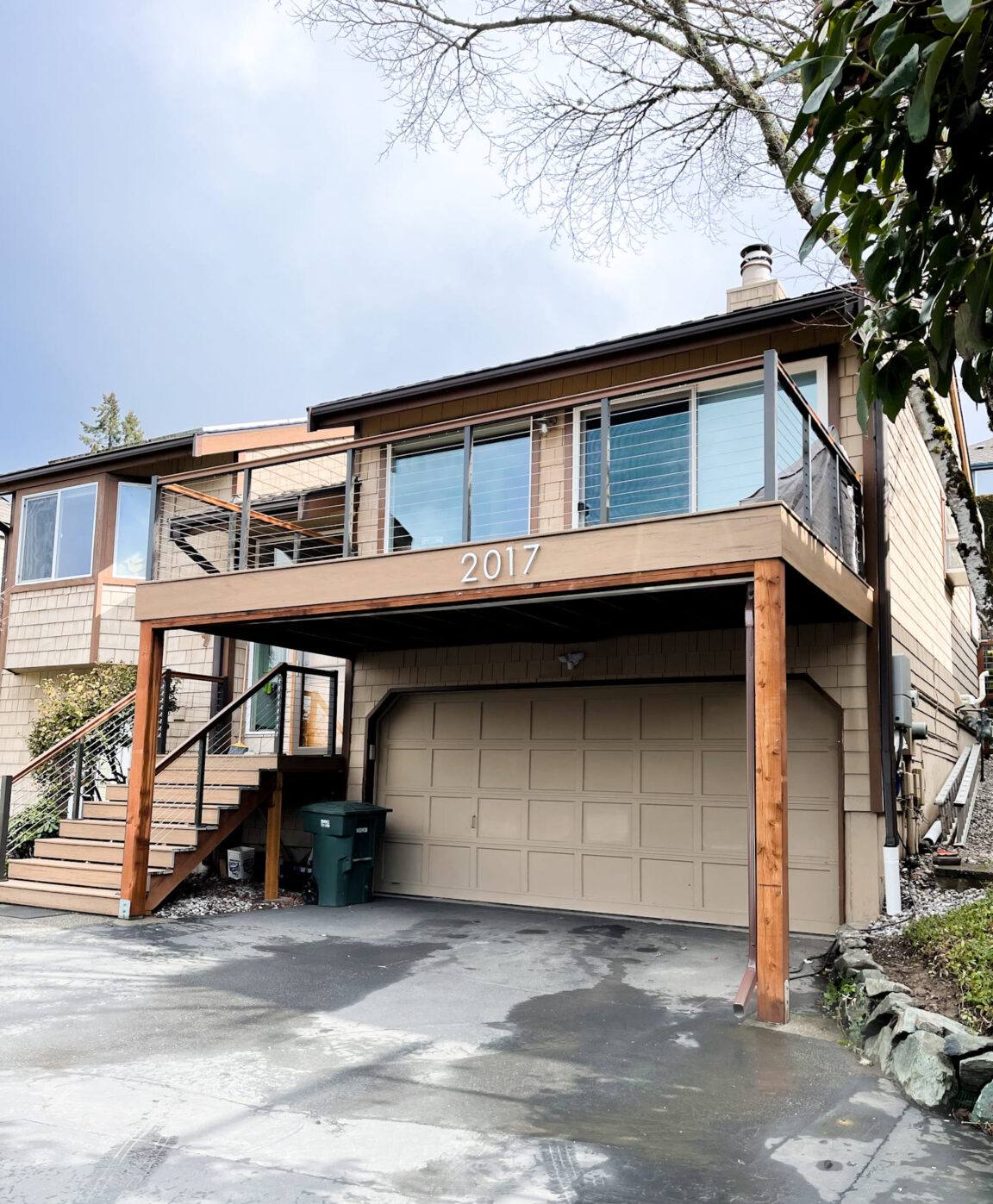
Signs a Venice Home Needs Siding Replacement, Not Another Repair
Visual and Physical Warning Signs
- Boards or panels that are cupping, bowing, or separating at the seams
- Paint that's peeling, bubbling, or chalking heavily within just a few years of the last paint job
- Soft or spongy spots when you press on the siding, especially near the bottom courses or around windows
- Visible gaps at corners, trim, or fascia boards that let daylight or drafts through
- Persistent staining or dark streaking that keeps returning even after cleaning
What These Signs Usually Mean
In a lot of cases, one or two of these signs point to a localized repair. But when several show up together, or when they show up on a home that's had multiple patch repairs over the years, it's usually a sign the siding system itself — or the water management behind it — has reached the end of its useful life. Patching over a system that's already failing just delays the real fix and adds cost on top of cost.
What a Correct Siding Replacement Actually Involves
Replacing siding is not simply removing old boards and nailing up new ones. In a coastal, storm-prone market like Venice, the parts of the job nobody sees are the parts that determine whether the new siding lasts 10 years or 30.
Full Tear-Off and Substrate Inspection
Old siding comes off completely so the sheathing underneath can actually be inspected — not guessed at. Any rot, delamination, or water damage found at this stage gets addressed before anything new goes up. Covering over a compromised substrate is one of the most common shortcuts that leads to early failure.
Weather-Resistive Barrier and Flashing
A proper weather-resistive barrier goes down over the sheathing, and flashing gets installed at every window, door, and penetration point. This is the layer that actually stops wind-driven rain from reaching the structure if water gets past the siding surface itself — which, in a storm, it eventually will.
Fastening and Clearances Built for Wind and Moisture
Fastener spacing, type, and placement all matter more in high-wind zones, and manufacturer installation instructions specify exact requirements for a reason. Proper ground clearance and gaps at trim and butt joints also give the assembly room to handle Florida's humidity swings without trapping moisture.
Trim, Caulking, and Finish Details
The finish work — corner trim, caulking at joints, and touch-up of any factory-finished edges — is what keeps water from finding its way in at the small stuff. It's also usually the first thing that shows if a crew rushed the job.
Comparing Siding Options for a Venice Home
Homeowners in Venice typically weigh a few materials when they're facing a full replacement. Here's an honest comparison of how they hold up against this specific climate.
| Material | Moisture Behavior in Coastal Climate | UV/Fade Resistance | Wind Performance | Long-Term Maintenance |
|---|---|---|---|---|
| Vinyl siding | Can warp or buckle in heat; seams are a moisture entry point | Fades and becomes brittle over time | Lower wind ratings than fiber cement in most product lines | Low upfront, but replacement rather than repair when damaged |
| LP SmartSide (engineered wood) | Wood-based core is vulnerable if moisture gets past the finish | Moderate; finish degrades with sun exposure | Reasonable when installed to spec | Edge sealing and finish maintenance are critical in humid climates |
| Cedar / primed spruce | Natural wood absorbs moisture; high risk in salt air and humidity | Requires regular refinishing to prevent UV damage | Performance depends heavily on installation and upkeep | High — repainting/staining on a recurring cycle |
| James Hardie fiber cement | Non-combustible, engineered for moisture resistance; won't rot | ColorPlus factory finish resists fading | Engineered HZ product lines built for high-wind, humid regions | Low — no repainting cycle required with ColorPlus finish |
We install only James Hardie fiber cement siding. We don't install vinyl, LP SmartSide, Cemplank, Allura, primed spruce, or cedar. That's not a knock on every homeowner who has one of those products — plenty of them are maintained well and serve their purpose. It's that after years of doing this work on the Gulf coast, we've standardized on the one system that consistently holds up to salt air, UV, and wind-driven rain with the least amount of long-term maintenance burden for the homeowner.
Why James Hardie Fits Venice Specifically
James Hardie's HZ product lines are engineered specifically for climate zones like ours — high humidity, heavy rain, and intense sun. The fiber cement core is non-combustible and doesn't absorb moisture the way wood-based products do, which matters when a home is exposed to salt air and wind-driven rain for months at a time. The factory-applied ColorPlus finish is baked on under controlled conditions, so it resists the fading and chalking that painted or field-finished siding tends to show first in this kind of sun exposure. And Hardie backs the product with a strong transferable warranty, which matters to Venice homeowners who may sell in the years after a siding replacement — a transferable warranty is a real asset at resale.
How Our Process Works on a Venice Job
1. Inspection and Honest Assessment
We start by inspecting the existing siding, trim, and — where accessible — the sheathing underneath. We'll tell you plainly if a repair makes more sense than a full replacement, and we'll tell you if we see signs of moisture damage that need to be addressed regardless of which siding product you choose.
2. Clear Scope and Product Selection
We walk through Hardie's plank, panel, and shingle options, along with ColorPlus finish choices, so you know exactly what's going on your home and why it's suited to a coastal Sarasota County property.
3. Tear-Off, Prep, and Water Management
Full removal of the old siding, substrate repair as needed, correct weather-resistive barrier and flashing installation — the steps that don't show up in a photo but determine how the job performs in the next hurricane season.
4. Installation to Manufacturer Spec
Fastening, clearances, and finish work done to James Hardie's published installation requirements, not shortcuts that might look fine on day one but fail early in this climate.
5. Final Walkthrough and Cleanup
We walk the finished job with you, confirm details, and clean the site thoroughly before we consider the job done.
Why It Matters to Hire a Crew That Already Works in Venice
Siding installation quality depends heavily on the installer, not just the product. A crew that regularly works Venice and the surrounding Sarasota County coastline already understands how the local wind and moisture exposure affects flashing details, fastening patterns, and material choices. That familiarity shows up in fewer callbacks and a system that's actually built for the conditions it will face — not a generic installation dropped into a coastal environment it wasn't planned around.
It also matters for accountability. A local, established crew is easier to reach for warranty follow-up, has a reputation in the community to protect, and isn't disappearing after the invoice is paid.
What to Check Before Hiring a Siding Contractor in Venice
- Do they carry proper licensing and insurance for exterior work in Florida?
- Will they show you manufacturer installation instructions and confirm they follow them?
- Do they inspect and address the substrate, not just the surface siding?
- Can they explain flashing and water-management details specific to your home, not just a generic answer?
- Do they provide a written scope of work and a clear warranty explanation, including what's transferable?
What This Means for Your Timeline and Budget
Siding replacement costs vary based on the size of the home, the extent of any substrate repair needed, trim and finish complexity, and the specific Hardie product and color selected. Homes with hidden moisture damage from a prior failing system typically require more substrate work, which is why an honest inspection upfront matters more than a quick estimate over the phone. We'll always walk you through what's driving the cost on your specific home before any work begins.
If your Venice home is showing signs of siding wear — or you're simply planning ahead before the next storm season — we're happy to take a look and give you a straightforward, no-pressure assessment. Fill out the form below to schedule a free estimate.