 Sarasota Siding
 Siesta Key's Climate Is Hard on Windows
Siesta Key sits on a barrier island, which means every window on the property is dealing with conditions that inland Sarasota County homes simply don't face to the same degree. Salt-laden air moves through constantly, even on calm days, and it works on metal hardware, fasteners, and frame finishes year-round. Add in Florida's intense UV exposure, which breaks down seals, gaskets, and vinyl components faster than in milder climates, and you have a recipe for windows that age quickly if they weren't built or installed with that environment in mind.
Then there's wind. Hurricane season brings the obvious risk of wind-borne debris and pressure loads that standard residential windows aren't designed to handle, but even routine summer storms push wind-driven rain sideways against exterior walls. A window that isn't properly flashed and sealed will let water in long before a named storm ever shows up. For a barrier island property, custom windows aren't a luxury upgrade — they're the right way to match the window to the actual conditions the house sits in.
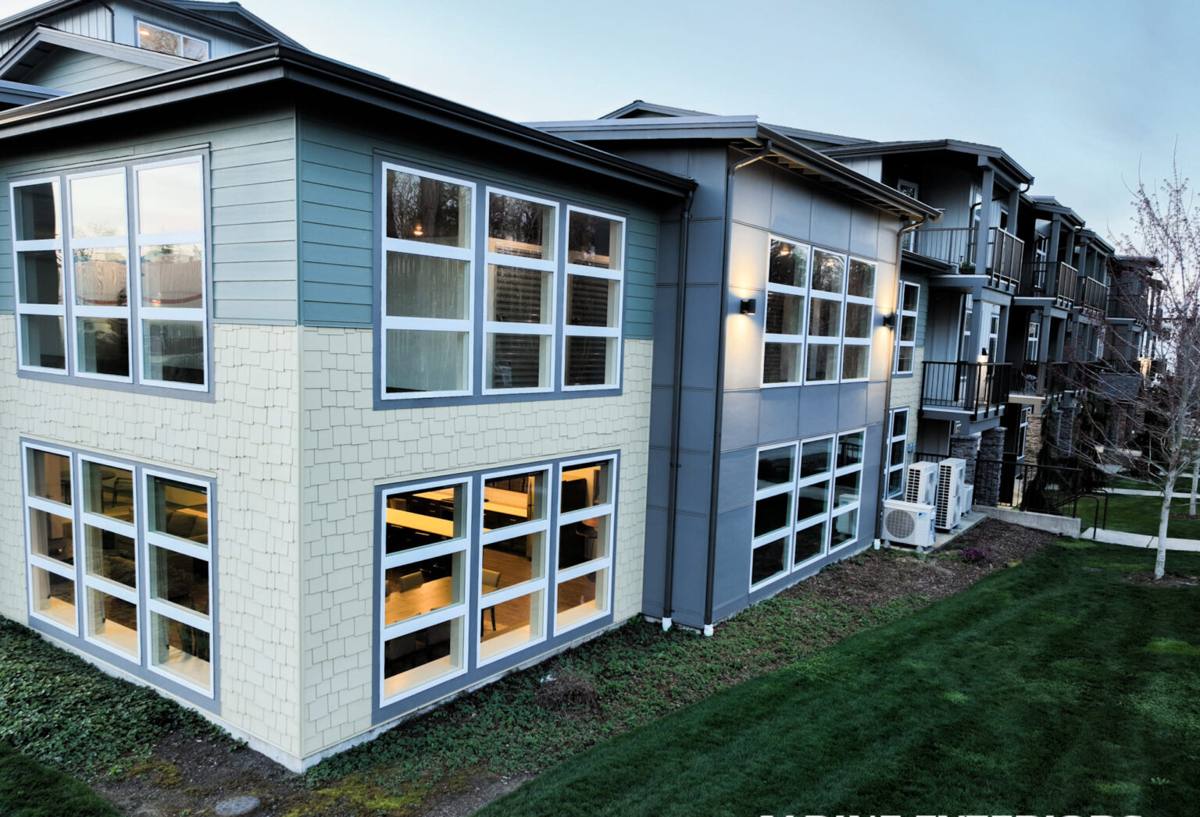
What "Custom" Really Means for a Siesta Key Home
"Custom" gets used loosely in this industry, so it's worth being specific about what it actually covers on Siesta Key homes:
Non-Standard Openings
Many homes on the Key were built or renovated in phases, which means window openings aren't always stock sizes. Older construction, additions, and remodels often leave openings that don't match anything on a standard order form. Custom sizing means the window is built to the actual rough opening rather than forcing the opening to fit a stock unit — which usually means less trim manipulation and a tighter, more weather-resistant fit.
Architectural Matching
Coastal and Old Florida-style homes on the Key often have distinct window profiles, muntin patterns, or proportions that give the house its character. Custom windows let you preserve that look while upgrading the performance behind it, instead of settling for a generic replacement profile that changes the home's appearance.
Mixed Materials and Conditions
A single Siesta Key home might have windows facing direct Gulf-side salt spray on one elevation and more sheltered exposure on another. Custom specification lets us vary frame material, glass package, or hardware by elevation instead of applying a one-size-fits-all product across the whole house.
Frame and Glass Options Worth Weighing
There's no single "best" window for every Siesta Key home — the right choice depends on exposure, budget, and how much maintenance you want to take on. Here's an honest comparison of the common options we work with:
| Option | Salt Air Resistance | Maintenance | Typical Cost Position |
|---|---|---|---|
| Aluminum frame | Good with proper coating; can pit or corrode if finish is compromised | Low to moderate — watch for coating wear near hardware | Mid-range |
| Vinyl frame | Won't corrode, but UV can cause brittleness/discoloration over time | Low | Lower to mid-range |
| Fiberglass frame | Very good — stable in heat and salt exposure | Low | Higher |
| Impact-rated glass | Glass performance unaffected by salt; frame material still matters | Low | Higher, but often reduces need for separate storm protection |
| Laminated (non-impact) glass | Good UV and sound control; not a substitute for impact protection | Low | Mid-range |
We'll walk through these trade-offs against your specific elevation exposure and budget rather than defaulting to one product for every job — what performs well on a sheltered courtyard window isn't necessarily the right call for a window facing open water.
Wind, Impact, and Code Considerations
Sarasota County has wind-load and wind-borne-debris requirements that apply to window replacements, and coastal properties like those on Siesta Key are held to the more demanding end of those standards because of direct exposure. What that means in practice: the window itself needs a wind-load rating appropriate to its location on the house, and if impact protection is required for the opening, that's either built into the glass package or handled through code-compliant storm protection.
We pull the required permits and make sure the products we install carry the documentation the county needs — product approval numbers, installation instructions, and the paperwork that ties the two together. Skipping this step is one of the most common ways homeowners end up with a window that looks fine but won't pass inspection, or worse, won't perform the way it's supposed to in a real storm.
What a Correct Installation Actually Involves
The window unit itself only does part of the job. Installation quality determines whether that window actually delivers the wind and water resistance it's rated for. On a Siesta Key project, our process includes:
- Inspecting and, where needed, repairing the rough opening before the new window goes in — rot, deteriorated framing, or old flashing failures get addressed, not covered up
- Installing flashing in the correct shingle-lap sequence so water is directed out and away from the wall assembly, not trapped behind it
- Using sealants and backer rod appropriate for high-UV, high-salt exposure rather than generic caulk that breaks down in a season or two
- Anchoring to manufacturer specifications for the wind-load rating the window carries — fastener type, spacing, and embedment all matter here
- Sealing and testing the finished opening before we call the job done
None of these steps are visible once the trim goes back on, which is exactly why they matter. A poorly flashed window can look perfect for a year or two before a leak shows up in the wall cavity — by then the damage is expensive to fix and much harder to trace back to the install.
Mistakes That Cause Window Failures on Barrier Islands
Sealing Instead of Flashing
Caulk is not a substitute for proper flashing. It's common to see openings where a previous installer relied on sealant alone to keep water out. Sealant fails over time, especially under constant UV and salt exposure; flashing is a mechanical water-management system that keeps working even after the sealant ages.
Ignoring the Rough Opening
Installing a new window into a compromised opening — without addressing rot, moisture damage, or inadequate framing — just locks the existing problem behind a new window. It'll surface again, usually as a leak.
Mismatched Fasteners
Using standard fasteners instead of corrosion-resistant hardware rated for coastal exposure is a slow failure waiting to happen. On Siesta Key, that mismatch tends to show up faster than it would inland.
Living With Salt Air: Maintenance That Actually Matters
Even a well-built, well-installed custom window benefits from basic upkeep in a coastal environment. We tell every Siesta Key homeowner the same short list:
- Rinse frames and hardware periodically to clear salt residue, especially on Gulf-facing elevations
- Check weep holes on aluminum and vinyl frames to make sure they're clear and draining, not blocked by debris or paint
- Inspect exterior sealant joints annually and re-seal before cracking turns into a leak
- Lubricate locking hardware and rollers on operable windows so salt buildup doesn't seize the mechanism
This isn't a heavy maintenance burden — it's a few checks a year that keep a good installation performing the way it was designed to for its full service life.
Why a Siesta Key-Experienced Crew Matters
Window replacement on a barrier island property involves logistics that don't come up on an inland Sarasota job — bridge access and traffic timing, tighter lot conditions common on the Key, and in some cases HOA or community guidelines that govern exterior appearance and approved materials. A crew that's worked on Siesta Key before knows to check for these things up front instead of discovering them mid-project.
Just as important is knowing the housing stock. Homes on the Key range from older coastal construction to more recently built properties, and each era comes with its own quirks in framing, wall assembly, and prior renovation history. Familiarity with that range means fewer surprises once we open up an existing opening — and a more accurate estimate from the start.
What to Expect From Our Process
Here's the general sequence for a custom window project on a Siesta Key home:
- On-site assessment of each opening, exposure direction, and existing condition
- Product and glass package recommendations matched to that exposure and your budget
- A written estimate that spells out materials, wind-load rating, and scope — no vague line items
- Permitting handled on our end, with documentation kept for your records
- Installation following the flashing, sealing, and anchoring steps outlined above
- Final walkthrough and cleanup before we consider the job finished
We're not going to push the most expensive glass package on you if a mid-range option genuinely fits your exposure and needs — our job is to give you a straight recommendation and let you decide.
If you're weighing options for custom windows on a Siesta Key property, we're happy to take a look and put together a free, no-pressure estimate — just fill out the form below to get started.