 Sarasota Siding
 Deck Replacement Built for Southside Village Conditions
Southside Village sits close to Sarasota Bay, in one of the city's older, tree-canopied neighborhoods. That combination — mature oak cover, proximity to open water, and a mix of bungalow-era homes with additions built at different times — creates a specific set of conditions for any deck attached to the house. Salt-laden air moves in off the bay, humidity stays high for most of the year, and afternoon shade from established trees means decks here dry out slower after rain than decks in newer, more open subdivisions. That slower dry time matters more than most homeowners realize, and it's the first thing we look at when we're asked to replace a deck in this part of Sarasota.
A deck that looked fine five or ten years ago in Southside Village can be hiding real structural problems underneath, especially where framing meets the house or where posts sit close to grade. Replacement isn't just about swapping old boards for new ones — it's an opportunity to correct whatever let the old deck fail in the first place.
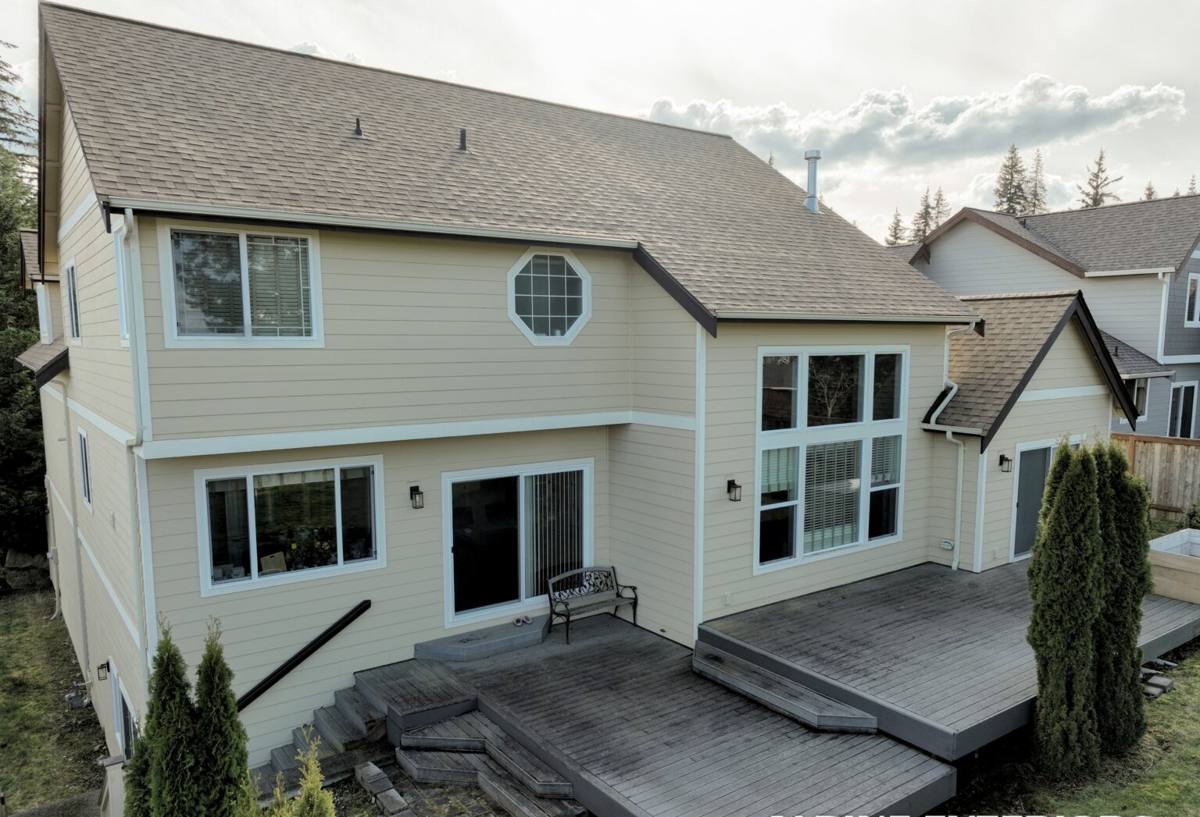
Why Decks Fail Faster Near the Bay
Salt Air and Metal Fasteners
Airborne salt from Sarasota Bay accelerates corrosion on fasteners, brackets, and hardware that aren't rated for coastal exposure. Standard hardware can start rusting from the inside out long before the wood around it shows visible damage, which is why a deck can feel "solid" underfoot right up until a ledger board or post connection actually gives way.
Shade, Moisture, and Slow Drying
The mature tree canopy that makes Southside Village pleasant to walk through also keeps decks shaded and damp longer after rain or morning dew. Wood-destroying fungus and rot need sustained moisture to take hold, and shaded decks in this neighborhood simply don't get the sun exposure that would otherwise dry them out between storms.
Wind-Driven Rain and UV Cycling
Sarasota County sees hurricane-force wind events and year-round intense UV. Wind-driven rain forces water into joints, fastener holes, and end grain that would stay dry in a normal rainstorm, while constant UV exposure breaks down surface fibers and finishes on any deck material that isn't built to handle it. The freeze-thaw cycle that damages decks up north doesn't apply here — instead, it's this wet-then-baked cycle, repeated year after year, that wears a deck down.
What a Correct Replacement Actually Involves
A proper deck replacement in this environment goes well past the visible decking boards. We treat every job as three separate systems that each need to be right on their own:
- Structure: ledger board attachment, joists, beams, and posts sized and spaced for the actual load and span, not just matched to what was there before
- Connections: stainless steel or coated fasteners and structural hardware rated for coastal, high-moisture exposure
- Surface and drainage: decking material, fascia, and the water management underneath that keeps moisture from pooling against the house or framing
Skipping any one of these to save money on the visible parts just moves the failure point somewhere else — usually somewhere harder to inspect and more expensive to fix later.
Ledger Board Attachment
The ledger board — where the deck ties into the house — is the single most common point of catastrophic failure in older decks. In a humid, shaded neighborhood like Southside Village, moisture that gets trapped between an improperly flashed ledger and the house wall can rot both the ledger and the house framing behind it without any visible sign from outside. Correct flashing and proper fastening here isn't optional; it's the difference between a deck that's safe to stand on and one that isn't.
Post and Footing Condition
Posts set close to grade in shaded, moist soil are prone to rot and insect damage at the base, even when the rest of the post looks sound. Replacement is the right time to check footing depth and post-base connections, since this is hidden work that's much harder to correct once new decking is installed over it.
Choosing the Right Decking Material for This Neighborhood
There's no single "best" decking material — the right choice depends on how much maintenance a homeowner actually wants to do, and how the deck sits relative to shade and moisture.
| Material | Maintenance | How It Handles This Climate |
|---|---|---|
| Pressure-treated wood | Regular sealing/staining needed | Affordable, but shaded, humid conditions accelerate weathering without upkeep |
| Composite decking | Low — occasional cleaning | Resists rot and UV fading well; performs consistently in shaded, damp spots |
| Tropical hardwoods | Periodic oiling for appearance | Naturally dense and rot-resistant, but heavier and pricier; needs correct fastening |
| PVC decking | Very low | Fully resists moisture absorption; handles humidity and salt air with minimal care |
We're honest about trade-offs rather than pushing one product. Pressure-treated wood costs less up front but demands real maintenance discipline in a shaded, humid setting like this one — if that maintenance slips, the wood pays for it. Composite and PVC cost more initially but suit homeowners who want to spend their weekends doing something other than sealing a deck every year. We won't oversell a low-maintenance product's durability or undersell wood's value — we'll walk through what fits your home and how you actually use the space.
Our Replacement Process
- On-site assessment: We inspect the ledger connection, framing, posts, and footings before quoting anything, since the condition underneath drives the real scope of work.
- Scope and material discussion: We walk through decking material options, hardware upgrades, and any structural corrections needed, with honest cost and maintenance trade-offs for each.
- Removal: Old decking, damaged framing, and corroded hardware come out, with damaged structural members flagged before replacement begins.
- Framing and connections: Ledger flashing, joists, posts, and footings are corrected or reinforced as needed, using coastal-rated fasteners and hardware throughout.
- Decking installation: New decking, fascia, and trim are installed to the manufacturer's or code-required fastening pattern for wind and moisture resistance.
- Final walkthrough: We review the finished deck with the homeowner, including basic care guidance specific to the material chosen.
Why Local Experience in Southside Village Matters
A deck built for a sunny, open lot inland doesn't need the same attention to shade-driven moisture and salt exposure that a Southside Village deck does. A crew that regularly works this specific pocket of Sarasota already knows to check ledger flashing more carefully where tree cover keeps a wall damp longer, to spec coastal-rated hardware without being asked, and to expect posts near grade to need a closer look than they would elsewhere in Sarasota County. That's knowledge that comes from doing the work here repeatedly, not from a general specification sheet.
It also means understanding how Southside Village homes are typically laid out — older construction with additions or decks tacked on over the years, where the original framing and later work don't always agree with each other. Catching those mismatches during a replacement, rather than after new decking hides them again, is part of the job.
Signs Your Southside Village Deck Needs Replacing, Not Just Repair
- Soft, spongy, or spring-back decking boards, especially near the house or in shaded areas
- Visible rust staining or corrosion around fasteners and hardware
- Any gap, movement, or separation where the deck meets the house
- Posts that feel loose or show soft wood at or below grade
- Persistent damp spots or algae growth that don't dry out between rains
- A deck older than 15-20 years that hasn't had its structure inspected
One or two of these on their own might mean a targeted repair is enough. Several at once, or any sign of movement at the ledger board, usually means replacement is the more honest recommendation — patching a structural problem just delays the real cost.
What Affects Deck Replacement Cost
Costs vary by size, material, and how much structural correction the framing needs, so we won't quote a number without seeing the deck. In general, the factors that move price the most are:
| Factor | Why It Matters |
|---|---|
| Decking material chosen | Composite and PVC cost more per square foot than pressure-treated wood, but need far less upkeep |
| Framing and post condition | Hidden rot or undersized framing found during removal adds necessary structural work |
| Deck size and height | Larger or elevated decks require more material, more support, and more labor |
| Railing and stair scope | Code-compliant railings and stairs add cost proportional to their length and complexity |
If your Southside Village deck is showing its age, or you'd rather have someone check the structure before deciding between repair and replacement, we're happy to take a look. Fill out the form below for a free, no-pressure estimate.