 Sarasota Siding
 Roofing in The Meadows Comes With Its Own Set of Demands
The Meadows is one of Sarasota's older, more established communities, and that maturity shows in the tree canopy that shades many of its streets and lots. That's a great feature for curb appeal and cooling bills, but it changes how a roof ages compared to a house sitting out in the open. Overhanging limbs drop debris into valleys and gutters year-round, shaded sections of roof stay damp longer after a storm, and moss or algae growth shows up sooner on north-facing slopes that don't get much direct sun. None of that is a reason to avoid asphalt shingles here — it's a reason to make sure the roof is installed and maintained by a crew that actually accounts for it.
At the same time, every roof in this part of Sarasota County has to answer to the same regional stressors: hurricane-force wind events, intense UV exposure nearly every day of the year, wind-driven rain that gets pushed sideways into laps and edges, and salt air drifting in off the Gulf that accelerates corrosion on anything metal. A shingle roof built for The Meadows needs to handle both — the neighborhood-specific shade and debris issues, and the broader climate load that every Sarasota roof carries.
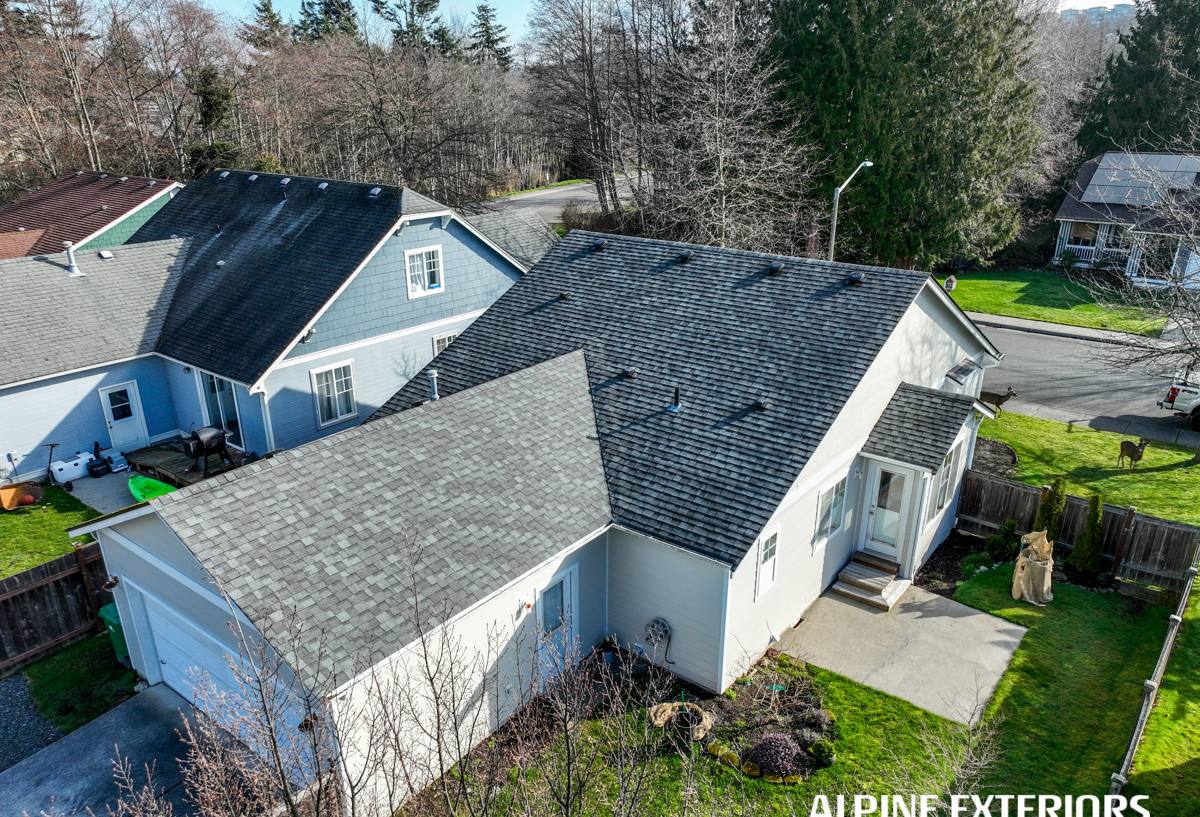
What Florida's Climate Actually Does to a Shingle Roof
It helps to understand the specific ways local conditions wear down a roof, because it explains why certain installation details matter more here than they would in a milder climate.
UV and Heat
Sarasota gets a heavy dose of direct sun almost every day of the year. UV breaks down the asphalt binders in shingles over time, causing granule loss, brittleness, and eventually cracking. Attic heat buildup underneath a poorly ventilated roof deck makes this worse from below as well as above.
Wind-Driven Rain
During tropical storms and hurricanes, rain doesn't just fall — it gets driven sideways and upward under wind pressure. A shingle roof that isn't properly sealed at the laps, valleys, and edges can take on water even when every shingle is technically still in place.
Wind Uplift
Hurricane-force gusts create uplift pressure that's highest at the roof's edges, corners, and ridge. This is where poor nailing patterns or the wrong shingle rating show up first — edge and corner shingles are usually the first to go in a storm if the install was rushed.
Salt Air
Even away from the immediate coastline, salt-laden air moves inland and settles on exposed metal — nail heads, flashing, and vent stacks. Over years, that accelerates rust and corrosion on components that aren't rated or coated for coastal exposure.
What a Correctly Installed Asphalt Shingle Roof Includes
A shingle roof is a system, not just a layer of shingles nailed to plywood. Skipping or shortcutting any one of these components is where most premature failures start.
Underlayment
We use a synthetic or self-adhering underlayment rated for high-wind, high-moisture regions — not the thin felt paper that was standard decades ago. In vulnerable areas like valleys, eaves, and around penetrations, a self-adhering ice-and-water-shield-style membrane adds a second layer of protection against wind-driven rain.
Flashing
Flashing around chimneys, skylights, walls, and vent penetrations is where the majority of leaks actually originate — not the field of the roof itself. Corrosion-resistant flashing, properly lapped and sealed, matters more here given the salt air than it would inland.
Ventilation
Balanced intake and exhaust ventilation keeps attic temperatures down, which extends shingle life and reduces the moisture buildup that leads to deck rot. Under-ventilated attics are a common cause of shingles aging faster than their rating suggests.
Fastening
Florida Building Code sets minimum nailing requirements for high-velocity wind zones, and Sarasota County enforces them. We follow the manufacturer's high-wind nailing pattern — correct nail count, placement, and depth — because this is the single biggest factor in whether a roof holds together in a major wind event.
Choosing the Right Shingle for This Neighborhood
Not every asphalt shingle product is built for the same conditions. The table below covers the general categories homeowners in The Meadows typically choose between.
| Shingle Type | Typical Wind Rating | Best Fit For | Cost Factor |
|---|---|---|---|
| 3-tab (standard) | Lower end of code-rated options | Budget-conscious re-roofs, secondary structures | Lowest upfront cost |
| Architectural / laminate | Mid-to-high wind ratings, varies by product line | Most primary residences; better wind and impact performance | Moderate; best overall value for this climate |
| Impact-rated architectural | Highest ratings, often paired with insurance discounts | Homes prioritizing storm resilience or seeking premium reduction | Higher upfront, may offset with insurance savings |
For most homes in The Meadows, a mid-to-upper-tier architectural shingle rated for Florida's wind zone offers the best balance of upfront cost, wind performance, and lifespan. We'll walk through the specific product lines, warranties, and ratings available for your roof during the estimate rather than pushing one option — the right call depends on your roof's slope, exposure, and how long you plan to stay in the home.
Our Process, Start to Finish
1. Inspection and Estimate
We walk the roof (or use a drone where access is limited), check the deck condition where visible, look at flashing, ventilation, and any prior repairs, and give you a written scope and cost — no pressure, no gimmicks.
2. Tear-Off and Deck Check
Old roofing comes off down to the deck so we can actually see the plywood underneath. Any soft, rotted, or delaminated sheathing gets identified and replaced before anything new goes down — covering over a bad deck just hides the problem.
3. Underlayment and Flashing
Synthetic or self-adhering underlayment goes down per manufacturer spec, with reinforced protection at valleys, eaves, and penetrations. New flashing is installed at every wall, chimney, and vent transition.
4. Shingle Installation
Shingles are installed following the manufacturer's high-wind nailing pattern, with extra attention at ridges, hips, edges, and corners where uplift pressure is highest.
5. Ventilation Check
We confirm intake and exhaust ventilation is balanced for the attic space, adding or adjusting vents where needed.
6. Cleanup and Final Walkthrough
Job site and yard are cleaned of debris and nails using magnetic sweeps, and we walk the finished roof with you before calling the job complete.
Signs It's Time to Have Your Roof Looked At
Because tree cover in The Meadows can hide roof damage from ground level longer than it would on an open lot, it's worth knowing the early warning signs:
- Granules collecting in gutters or at downspout discharge points
- Shingles that look curled, cupped, or cracked at the edges
- Dark streaking or green/black growth, especially on shaded, north-facing slopes
- Soft spots or noticeable sagging anywhere on the roof plane
- Daylight visible through the attic decking, or musty attic odor
- Water stains on interior ceilings, especially near chimneys, skylights, or wall intersections
- Missing, lifted, or loose shingles after any significant wind event
- Rusting or corroded flashing, vent boots, or exposed nail heads
Any one of these on its own may not mean much, but catching them early is almost always cheaper than waiting for an active leak.
Living Under Tree Canopy: Maintenance That Actually Matters
Homes in The Meadows benefit from mature trees, but that shade comes with upkeep. Debris left sitting in valleys and gutters holds moisture against the shingles and accelerates granule loss and algae growth in exactly the spots that already get the least sun. We recommend clearing gutters and valleys at least twice a year, more often if your lot has heavy overhang, and trimming branches back from the roofline so they aren't scraping shingles in every windstorm. A quick post-hurricane-season inspection is also worth doing every year, even if nothing looks obviously wrong from the ground.
Permits, Code, and Insurance Considerations in Sarasota County
Sarasota County requires permits for roof replacement, and inspections confirm the work meets Florida Building Code's high-velocity wind zone requirements — this covers things like nailing patterns, underlayment type, and flashing details. We pull the permit, schedule the required inspections, and handle that process as part of the job so you're not chasing paperwork. It's also worth checking with your insurance carrier about documentation for the new roof once it's complete; many carriers offer premium credits for wind-rated shingles and updated roof age, but the specific discount and requirements vary by policy, so that conversation is between you and your insurer.
Why Hiring a Crew That Already Works The Meadows Matters
A roofing crew that regularly works in this neighborhood already understands the practical realities — tree-lined lots with limited staging space, the debris and shading issues that come with mature canopy, and the wind and moisture demands that every Sarasota County roof has to meet under code. That familiarity shows up in small but real ways: knowing where to expect deck rot on a shaded roof, planning tear-off and disposal around narrower driveways, and building in the ventilation and flashing details that hold up through hurricane season rather than the bare minimum. It's the difference between a roof that's technically installed and one that's actually built for where it sits.
If you'd like a straightforward look at your roof's condition and options, we offer free, no-pressure estimates — just fill out the form below and we'll take it from there.