 Sarasota Siding
 Roof Repair for The Meadows: What Local Homes Actually Need
The Meadows sits inland from the coast, which helps a little with the worst of the salt spray, but it doesn't exempt any roof in Sarasota County from the same three-part beating every roof here takes: intense UV exposure nearly every day of the year, sudden wind-driven rain that finds its way into the smallest gaps, and the occasional hurricane-force gust event that tests every fastener, flashing detail, and shingle tab on the structure. Add in the mature tree canopy that gives The Meadows its character — and its steady supply of falling limbs, pine needles, and leaf litter onto roofs — and you get a specific set of repair needs that differ from a bare, treeless subdivision closer to the water.
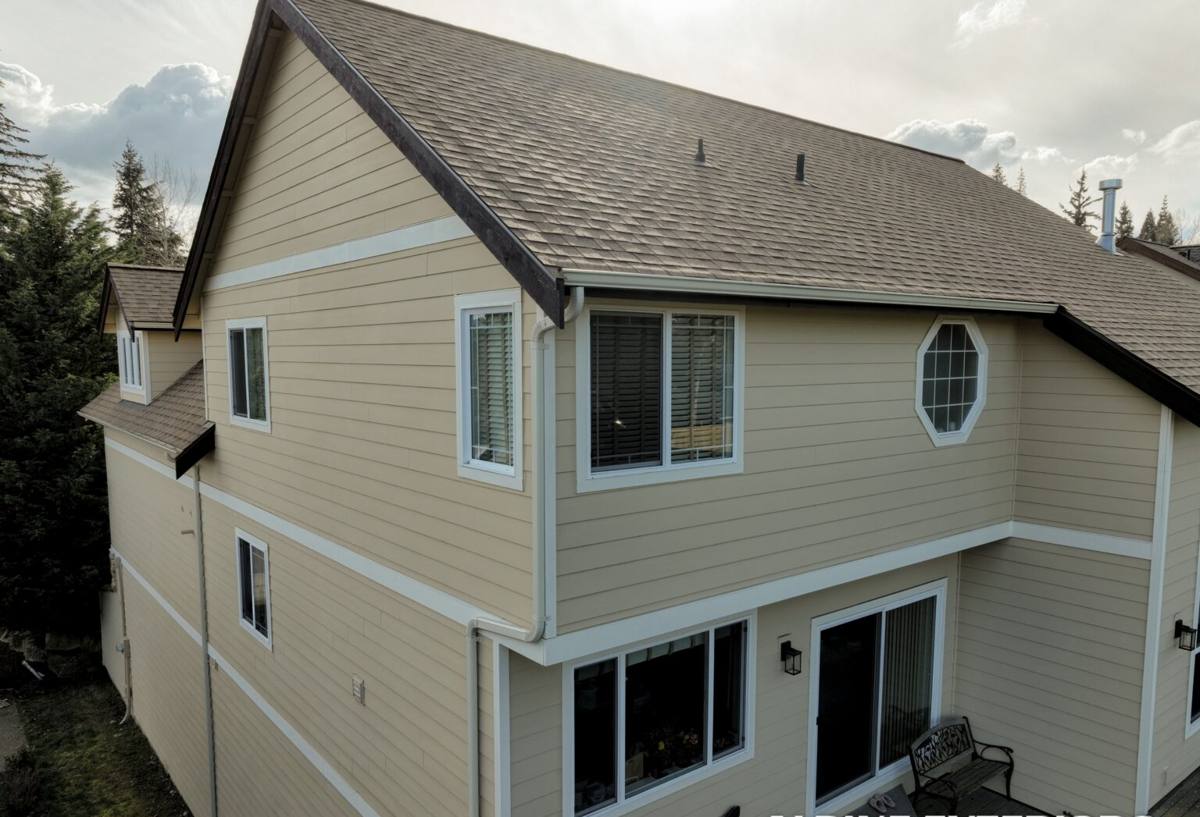
Homes in this community run a mix of ages and roof types, from older dimensional shingle roofs original to the neighborhood's mid-century development to newer tile and architectural shingle re-roofs. Whatever the covering, the failure points tend to repeat: valleys clogged with debris that back up water under the shingles, boot flashing around plumbing vents that has dried and cracked in the sun, nail pops and lifted tabs from repeated wind events, and tile that has cracked or slipped after a storm but never got properly reset. None of these are dramatic on their own. Left alone, they all become interior leaks, wood rot, and eventually a full roof replacement instead of a repair.
Why Roof Repair Here Is Different From a Coastal Job
Contractors who only work right on the beach sometimes miss the tree-and-shade issues that matter more a few miles inland. In The Meadows, canopy cover means roofs stay damp longer after a storm, algae and lichen growth is more common on north-facing slopes, and gutters clog faster — which means water backs up at the eave line and works its way under the first course of shingles or tile. A repair here has to account for that moisture load, not just wind and UV.
At the same time, this is still Sarasota County, so every repair still has to hold up to the same wind-driven rain and hurricane-season gusts as anywhere else in the area. A patch that only solves the "leafy neighborhood" problem but ignores wind uplift is just as incomplete as one that ignores the shade and moisture side. Good roof repair in The Meadows solves both.
Common Repair Triggers We See in This Neighborhood
- Water stains on interior ceilings after heavy rain, often near a valley or chimney
- Visible cracked, curled, or missing shingles after a windstorm
- Cracked or slipped roof tiles, especially near ridges and hips
- Soft or discolored roof decking found during an attic inspection
- Clogged valleys or gutters causing water to pool or overflow at the roofline
- Dried-out pipe boots and pitted flashing around vents, skylights, and chimneys
- Granule loss showing up in gutters, a sign the shingle surface is wearing thin
What a Correct Roof Repair Involves
A roof repair that actually fixes the problem starts before anyone touches a shingle. We look at the whole roof plane around the damaged area, not just the spot where the leak showed up inside — because water rarely drips straight down from where it enters. A stain on a bedroom ceiling might trace back to a flashing failure three feet up-slope.
Diagnosis Comes First
We check the obvious damage, then trace it: is the underlayment still intact under the failed shingles or tile? Is the decking beneath soft or discolored? Are nearby fasteners backing out? Are there secondary entry points nearby that will fail next season if we only fix the one spot that's leaking today? Skipping this step is the most common reason a "fixed" roof leaks again after the next storm.
Matching Materials, Not Just Covering the Hole
Shingle and tile repairs should match the existing roof as closely as possible in profile, color, and material class. A mismatched patch is not just a cosmetic issue — different materials expand, contract, and shed water differently, which can create a new weak point right at the seam between old and new.
Flashing and Underlayment Get Real Attention
Most leaks that look like a "shingle problem" are actually a flashing or underlayment problem. Pipe boots, valley metal, chimney flashing, and skylight flashing all degrade faster than the shingles around them because they're sealant-dependent and take direct sun. A proper repair replaces failed flashing rather than caulking over it, since caulk is a short-term patch, not a fix.
Cleanup and Debris Management
Given how much tree cover The Meadows has, part of a lasting repair is clearing valleys, gutters, and roof planes of accumulated debris so water has a clear path off the roof again. A repair that leaves the drainage problem in place is likely to fail again even if the patch itself is done well.
Our Process for a Roof Repair Visit
- Inspection and diagnosis — we get on the roof (weather permitting) and in the attic if accessible, tracing the leak or damage to its actual source rather than just the visible symptom.
- Honest scope and options — we explain what we found, what needs to happen, and why. If a repair genuinely isn't the right call because the roof is past the point of spot-fixing, we'll tell you that directly instead of patching something that needs full replacement.
- The repair itself — matched materials, proper flashing work, secure fastening to current wind-resistance standards, and attention to the surrounding area, not just the failure point.
- Debris and drainage check — valleys and gutters near the repair area get cleared so water has somewhere to go.
- Final walkthrough — we show you what was done and what to watch for going forward.
Repair vs. Replacement: How to Think About It
Not every damaged roof needs to come off. But a repair only makes sense if the underlying roof structure and remaining material life can support it. Here's the general logic we use when advising Meadows homeowners:
| Factor | Leans Toward Repair | Leans Toward Replacement |
|---|---|---|
| Roof age | Under 15 years (shingle) or well within tile lifespan | Near or past expected service life |
| Damage extent | Isolated to one area or a few spots | Widespread across multiple roof planes |
| Decking condition | Solid, dry decking under the damaged area | Soft, rotted, or water-stained decking found in multiple spots |
| Storm history | Single recent event, otherwise sound roof | Repeated storm hits with cumulative wind and water damage |
| Material availability | Matching shingle or tile still obtainable | Discontinued material forcing a visible mismatch |
When a roof is borderline, we'd rather walk you through the honest trade-offs than push either option. A well-executed repair on a sound roof can buy years of reliable service; a repair on a roof that's already compromised usually just delays a bigger bill.
Why It Matters to Hire a Crew That Already Works in The Meadows
Roofing crews unfamiliar with a specific neighborhood tend to apply a generic approach — same materials, same technique, regardless of what the local conditions call for. A crew that's actually worked roofs in The Meadows knows which roof types are common here, understands how the tree canopy affects drainage and debris buildup, and has a realistic sense of how the local sun exposure and storm patterns wear on flashing and sealants over time. That familiarity shows up in fewer surprises during the job and a repair that's built for the conditions the roof will actually face, not a one-size-fits-all patch.
It also matters for something more practical: response time and accountability. A contractor who regularly works Sarasota County neighborhoods like this one can get out to look at storm damage quickly, and has a track record in the community that isn't going anywhere after the invoice is paid.
Maintaining a Roof Between Repairs
A repair lasts longer when the roof around it is kept in reasonable condition. A few things homeowners in The Meadows can do between service visits:
- Keep gutters and valleys clear of leaves and pine needles, especially after storms
- Trim back overhanging branches that scrape shingles or drop debris directly onto the roof
- Have the roof looked at after any significant wind event, even if there's no visible leak yet
- Watch for granules collecting in gutters or downspouts as an early wear signal
- Address small leaks quickly — a stain the size of a dinner plate today can mean rotted decking in a year
Let's Take a Look
If you're dealing with a leak, storm damage, or just want a roof already showing its age checked out before it becomes a bigger problem, we're glad to come take a look. We offer free, no-pressure estimates for roof repair work in The Meadows and the surrounding Sarasota area — just fill out the form below and we'll get in touch.