 Sarasota Siding
 Why Decks in University Park Wear Out Faster Than You'd Expect
University Park sits inland from Sarasota Bay, but "inland" doesn't mean protected. The same conditions that shape every outdoor structure in Sarasota County — long stretches of intense UV, sudden downpours, humidity that barely lets up overnight, and the occasional hurricane-force wind event — hit exposed decks harder than almost any other part of a home. A deck has no roof overhang to shield it, no siding cavity to buffer temperature swings, and it takes standing water and direct sun on a horizontal surface, which is the worst possible orientation for wood and fasteners alike.
Homeowners who move to University Park from other parts of the country are often surprised at how much faster a deck ages here compared to where they came from. A deck that might get 20 years of service in a drier, milder climate can start showing real structural problems in half that time in Southwest Florida if it wasn't built or maintained with this climate in mind. That's not a knock on the neighborhood — it's just physics. Understanding that difference is the first step to getting a replacement that actually lasts.
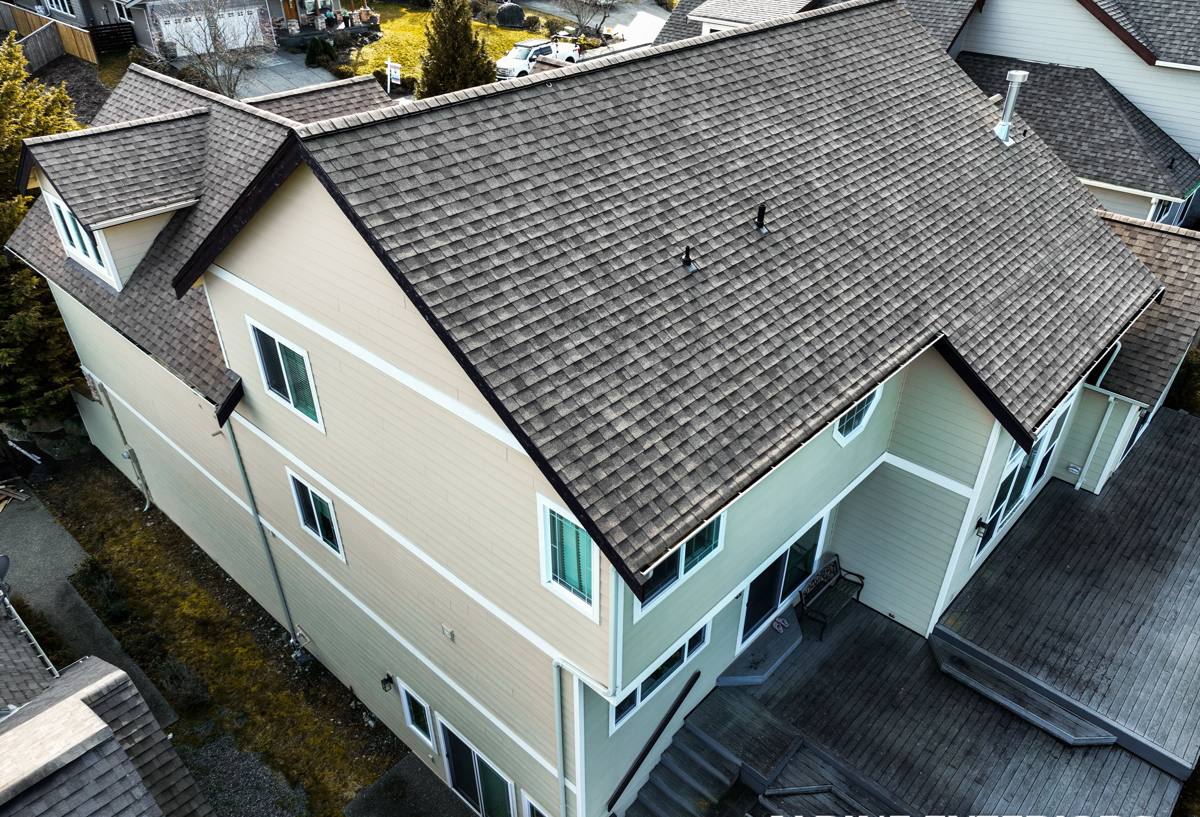
Repair or Replace? How We Tell the Difference
Not every tired-looking deck needs a full replacement. Surface graying, a few popped nails, or a loose board here and there can often be repaired. But there's a point where patching stops making sense — where the money and effort go into a structure that's still failing underneath. We look at a few things when we evaluate a deck:
- Soft or spongy spots in the decking, especially near the house or around post bases
- Rot or discoloration at the ledger board (where the deck attaches to the house) — this is the single most common failure point we see
- Rust streaking or corroded fasteners, which usually means the hardware is failing faster than the wood itself
- Wobble in the railings or posts when you push on them by hand
- Gaps that have widened significantly between boards, or boards that have cupped or crowned
- Visible insect damage or a hollow sound when you tap the joists
If the framing and ledger connection are sound and it's mainly the decking surface that's failed, repair or a resurfacing project can make sense. If the problems are in the structure itself — the ledger, the joists, the posts, or the footings — replacement is almost always the more honest recommendation, because you can't safely build a new deck surface on top of a compromised frame.
What a Correct Deck Replacement Actually Involves
A deck replacement isn't just tearing off old boards and screwing down new ones. Done right, it starts from the ground up:
Structure First
We evaluate the footings, posts, beams, and joists before we ever think about decking material. Florida building code has specific requirements for footing depth, post spacing, and joist sizing that account for our wind loads — these aren't optional details, they're what keeps a deck attached to the house during a bad storm instead of becoming a projectile.
The Ledger Connection
This is where we spend extra attention. The ledger board — the piece that bolts the deck to the house framing — is the most common failure point on any deck in a humid climate, because it traps moisture against the house and rots quietly for years before anyone notices. A correct replacement uses proper flashing to keep water from ever reaching that connection, along with code-compliant lag bolts or through-bolts, not just nails.
Fasteners and Hardware
Salt-laden air moving off the Gulf and the bay corrodes cheap or mismatched hardware faster than most homeowners expect, even well inland. We use stainless steel or coated fasteners rated for coastal exposure, and we make sure every metal connector — joist hangers, post bases, hurricane ties — is rated for the same environment.
Permits and Inspection
Sarasota County requires permits for deck replacement work, and for good reason — this is structural work attached to your home. We handle the permitting and schedule inspections as part of the job, not as an afterthought.
Choosing a Decking Material for This Climate
There's no single "best" decking material — there's a best material for your budget, your maintenance appetite, and how much sun and rain that particular part of your yard sees. Here's how the common options actually compare in a Sarasota-area climate:
| Material | Heat & UV Behavior | Moisture Handling | Maintenance |
|---|---|---|---|
| Pressure-treated wood | Fades and can check/crack under strong UV over time | Prone to warping and rot if not sealed regularly | Annual cleaning and resealing recommended |
| Composite decking | Some early products got noticeably hot in direct sun; newer capped composites handle heat better | Resists rot well; check warranty for humid-climate coverage | Low — periodic washing, no staining or sealing |
| PVC/cellular decking | Fully synthetic, doesn't absorb moisture or fade like wood | Excellent — doesn't rot, swell, or support mold growth | Very low — soap and water cleaning |
| Tropical hardwoods (e.g., ipe) | Naturally UV and weather resistant but will gray without maintenance | Naturally rot and insect resistant | Moderate — periodic oiling to maintain color |
We're honest with homeowners about trade-offs rather than pushing one product line. Composite and PVC decking have become popular in this climate because they take moisture and UV out of the equation as long-term failure points, but they cost more upfront and installation quality matters just as much — gaps for expansion, proper fastening patterns, and substructure spacing all affect how well these products perform over 15-20 years.
Our Process for a University Park Deck Replacement
- On-site evaluation. We inspect the existing structure, ledger, footings, and decking to determine what's actually failing and confirm replacement is the right call.
- Honest estimate. You get a clear scope and price before any work starts — no vague allowances that turn into surprise change orders.
- Permitting. We pull the required Sarasota County permit and schedule inspections at the appropriate stages.
- Demolition and disposal. The old deck comes down and off your property; we don't leave debris behind for you to deal with.
- Structural rebuild. Footings, posts, beams, joists, and the ledger connection are built or reinforced to current code.
- Decking and railing installation. Your chosen material goes down with attention to fastening patterns, spacing, and drainage.
- Final walkthrough and inspection sign-off. We confirm everything is code-compliant and walk the finished deck with you before calling the job done.
What Drives the Cost of a Deck Replacement
Every deck is different, so we don't publish flat prices, but these are the factors that move the number up or down:
| Factor | Why It Matters |
|---|---|
| Deck size and shape | Square footage and complexity (multiple levels, angles, built-in seating) both add labor |
| Material choice | Pressure-treated wood is the least expensive upfront; PVC and premium composites cost more but need less long-term upkeep |
| Structural condition | If footings or framing need full replacement rather than reuse, that adds cost but isn't optional if they've failed |
| Height and access | Elevated decks and decks with limited yard access for equipment take longer to build |
| Railing and stair details | Custom railing systems, built-in lighting, or multiple stair sets add both material and labor |
We walk through these factors with you during the estimate so the number makes sense, rather than handing over a lump sum with no explanation.
Keeping a New Deck Sound in a Sarasota Climate
Whatever material you choose, a few habits go a long way toward getting the full lifespan out of a new deck in this environment:
- Rinse off salt residue and organic debris (leaves, pollen) every few weeks, especially after storms
- Keep gutters and downspouts clear so water isn't dumping directly onto or under the deck
- Check the ledger flashing and any visible fasteners once or twice a year for early signs of corrosion or gaps
- Trim back landscaping that keeps the deck surface shaded and damp for long periods, which slows drying and encourages mildew
- For wood decking, plan on resealing on the schedule the product calls for — skipping years is the most common reason wood decks fail early here
- After any named storm, do a quick visual check of posts, railings, and stairs before using the deck
Why It Matters That We Already Work in University Park
A crew that already does work in and around University Park knows things a contractor from outside the area has to learn on your dime: how Sarasota County's permitting and inspection process actually runs, which structural details hold up under real Gulf Coast wind and rain rather than just meeting the minimum on paper, and what material choices tend to disappoint homeowners a few years in versus what holds up. That familiarity shows up in fewer surprises during the job and fewer callbacks after it.
It also means straightforward logistics — scheduling, material delivery, and follow-up if you ever have a question about your deck down the line, all handled by a local crew rather than someone passing through the area for one job.
Questions Worth Asking Before You Hire
Whether you go with us or someone else, these are reasonable questions to ask any contractor bidding a deck replacement in this area:
- Are you pulling a permit for this work, and who schedules the inspections?
- What's your plan for flashing the ledger board where the deck meets the house?
- What fastener and hardware grade do you use, and is it rated for coastal/humid exposure?
- Will you inspect and, if needed, replace footings and framing — not just resurface over them?
- What does your warranty cover, and is it in writing?
If a contractor can't give you clear, specific answers to these, that's worth paying attention to before you sign anything.
If your deck in University Park is showing its age or you're just not sure whether it needs repair or full replacement, we're glad to take a look and give you a straightforward, no-pressure estimate — use the form below to get started.