 Sarasota Siding
 Storm Damage Roof Repair for University Park Homes
University Park sits close enough to the Gulf that every named storm, every strong summer squall, and every dry-season cold front puts real stress on a roof. Homeowners here deal with a mix of roofing types — dimensional shingle, tile, and metal accent roofs on newer builds — and each one takes storm damage differently. A generic roof repair crew that mostly works inland or up in Tampa doesn't always know how to read the difference between cosmetic wind scuffing and a compromised roof deck. This page covers what storm damage actually looks like on University Park roofs, what a correct repair involves, and how we approach the work.
This is not a page about roof replacement in general or storm damage anywhere in Florida — it's specifically about assessing and repairing storm damage on homes in and around University Park, done by a crew that already works this neighborhood.
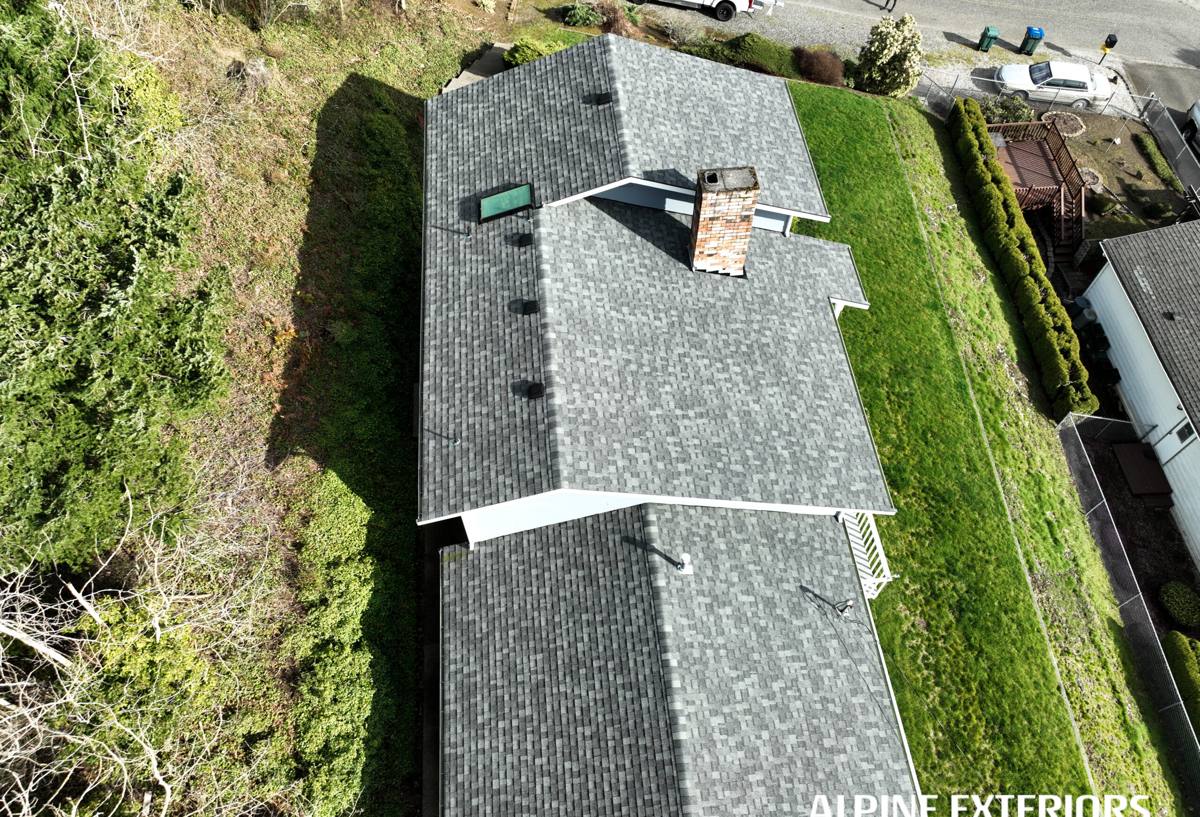
What Sarasota-Area Storms Actually Do to a Roof
Sarasota County sees a distinct combination of stressors that most of the country never deals with at the same time, and University Park roofs absorb all of it year after year.
Hurricane-Force and Straight-Line Wind
Wind doesn't need to reach hurricane strength to do damage. Sustained gusts from a strong summer thunderstorm or a tropical system's outer bands can lift shingle tabs, crack tile, and work fasteners loose at ridge lines and roof edges — the areas that take the highest uplift pressure. Damage from a 60-70 mph gust event is often subtler than what people expect: a few lifted or cracked pieces rather than a roof stripped bare, which is exactly why it gets missed from the ground.
Wind-Driven Rain
Florida rain rarely falls straight down during a storm. When wind pushes rain sideways, it finds any gap in flashing, any lifted shingle edge, or any aging pipe boot and drives water underneath the roofing material instead of over it. This is how a roof that looks intact from the street ends up with a stained ceiling two rooms away from where the actual entry point is.
Intense, Year-Round UV
Sarasota's sun exposure ages roofing materials faster than most of the country sees. UV breaks down asphalt shingle granules and dries out sealants and pipe boot rubber, making already-brittle materials far more likely to crack or tear loose in the next wind event. A roof that's been baking for 12-15 years has less margin before storm damage turns into a leak.
Salt Air
Even set back from the coast, University Park gets salt-laden air on onshore wind days. Salt accelerates corrosion on exposed metal — nail heads, flashing, drip edge, and vent stacks — which is often the actual failure point after a storm rather than the shingle or tile itself.
Common Storm Damage We Find on University Park Roofs
| Damage Type | What It Looks Like | Why It Matters |
|---|---|---|
| Lifted or missing shingles | Tabs curled up, torn edges, bare patches | Exposes underlayment directly to sun and rain |
| Cracked or slipped tile | Hairline cracks, tiles out of alignment, broken corners | Water intrusion at the crack even if the tile still looks whole |
| Flashing failure | Gaps at chimneys, walls, or roof valleys | One of the most common leak points after wind events |
| Pipe boot cracking | Dried, split rubber collars around vent pipes | Small leak source that's easy to miss, slow to show up |
| Soffit and fascia damage | Loose panels, water staining underneath the eaves | Signals wind-driven rain getting into the roof edge |
| Granule loss | Bald patches, granules collecting in gutters | Accelerates UV damage to the shingle underneath |
After-Storm Roof Inspection Checklist
Before calling anyone, a quick visual check from the ground and from inside the attic (if it's safely accessible) tells you a lot:
- Shingles or tiles visible on the ground, in gutters, or in the yard after a storm
- Streaking, staining, or a visible sag anywhere on the roof plane
- New water stains on ceilings or upper interior walls
- Daylight visible through the attic roof deck
- Damp insulation or a musty smell in the attic
- Loose, dented, or missing gutters and downspouts
- Debris impact marks on the roof surface, especially near tree lines
None of these confirm a leak on their own, but any of them is a good reason to get a roof looked at rather than wait for a stain to show up on the ceiling.
Insurance and Storm Repairs: What to Know Going In
Most storm damage claims in this area come down to documentation and timing, not just the damage itself. We're not a public adjuster and won't promise how an insurer will rule on a claim, but as a matter of practice on every storm inspection we photograph and note the damage we find, which gives homeowners something concrete to bring to their carrier. A few things worth knowing:
- Most policies require damage to be reported within a specific window after the storm event — check your policy's timeline.
- Temporary protection (tarping an exposed area, for example) is often expected of the homeowner to prevent further damage, and is usually reimbursable — keep receipts.
- An adjuster's visit and a contractor's inspection can find different things; it's normal, and reasonable, to have both.
Our Storm Damage Repair Process
1. Ground and Roof-Level Inspection
We start with a full walk of the roof, not just the section that looks obviously damaged. Storm damage is frequently worse on the windward slope than what's visible from the driveway.
2. Documentation
We photograph specific damage areas and note what we find in plain language, useful for your own records or for an insurance claim.
3. Honest Scope: Repair vs. Replace
We tell you plainly whether the damage is a contained repair or a sign the roof is past the point where repair makes sense. We don't pad a repair into a replacement, and we don't patch a roof that genuinely needs more than that.
4. The Repair Itself
Matched materials where possible, correct fastening patterns for wind resistance, new underlayment in the affected section, and flashing and sealant work done to current standards — not just a caulk-and-go patch over the visible crack.
5. Final Walkthrough
We show you what was done and where, and flag anything else worth keeping an eye on.
Repair vs. Replace: What Actually Drives the Decision
| Factor | Leans Toward Repair | Leans Toward Replacement |
|---|---|---|
| Roof age | Under 10-12 years | Nearing or past manufacturer lifespan |
| Extent of damage | Localized to one area or slope | Scattered across multiple roof planes |
| Underlayment condition | Still intact and sound | Deteriorated, brittle, or already leaking in multiple spots |
| Prior repair history | First significant repair | Repeated patches over several years |
| Insurance scope | Claim covers a defined repair area | Adjuster scope already includes full replacement |
Cost for a straightforward storm repair on a University Park home typically runs from a few hundred dollars for a small flashing or shingle repair up to several thousand for larger sections involving decking replacement — the range depends entirely on what's actually damaged underneath the surface, which is why an in-person inspection matters more than a phone quote.
Why a Crew That Already Works University Park Matters
A roofer who works this neighborhood regularly already knows the common roof types in the area, the typical age of construction, and what kind of wind exposure different sections of the community get depending on tree cover and lot orientation. That familiarity means less guesswork on the inspection and a repair plan built around what actually holds up here — not a one-size-fits-all approach imported from a different climate. It also means being reachable for the follow-up questions that come up weeks after a repair, not just during storm season when everyone's booked solid.
Roofing Materials and What We Work With
University Park has a mix of dimensional asphalt shingle, concrete and clay tile, and some metal roofing on newer or renovated homes. We repair all three, matching materials as closely as possible so a repair doesn't stand out as a patch job. For shingle repairs specifically, we use products rated for Florida's wind zone requirements rather than standard-grade materials, since a repair that isn't rated for local wind exposure is really just a repair that fails again in the next storm.
Get a Free, No-Pressure Estimate
If your University Park home took wind or rain damage in a recent storm — or you just want a professional set of eyes on the roof before the next one rolls through — reach out for a free estimate. No obligation, no pressure, just a straight assessment of what's going on up there and what it would take to fix it right.