 Sarasota Siding
 Why Roofs in Venice Wear Out Differently Than Inland Roofs
A roof on a home in Venice does not age the same way a roof does forty miles inland. Sitting along the Gulf Coast in Sarasota County, Venice homes take on a combination of stresses that most roofing manufacturers design their warranties around, but that few homeowners fully understand until something goes wrong: sustained wind loading during tropical systems, near-constant UV exposure that breaks down asphalt oils and sealants faster than in shadier or cooler climates, wind-driven rain that finds its way through the smallest gaps in flashing or underlayment, and salt-laden air that accelerates corrosion on fasteners, flashing, and metal components.
None of these forces are dramatic on their own. It is the combination, repeated year after year, that shortens the practical service life of a roof and turns small deficiencies into leaks, rot, and eventually a premature full replacement. When we replace a roof in Venice, we are not just matching a manufacturer's spec sheet — we are building for the specific way this coastal stretch of Sarasota County beats up a roof over time.
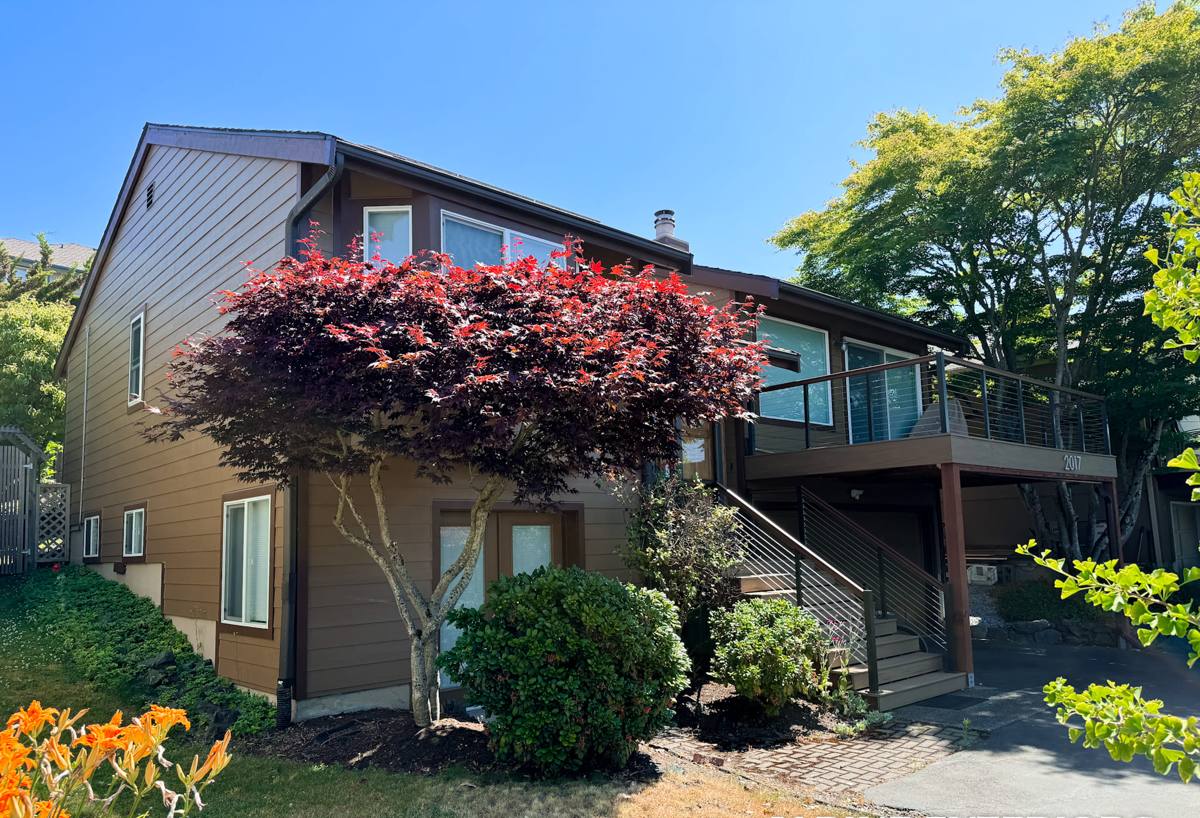
Signs a Venice Roof Needs Replacement, Not Another Repair
Every roof reaches a point where repair stops making financial sense and replacement becomes the honest recommendation. In our experience working on homes throughout the Venice area, these are the clearest signals:
- Granule loss heavy enough that you're finding grit in gutters or at downspout discharge points
- Shingles that are cupping, curling, or cracking across large sections rather than in one isolated spot
- Multiple past repairs in different areas of the same roof, rather than one contained problem
- Visible sagging in the roof deck, which points to moisture damage underneath the surface
- Soft spots, staining, or musty odors in the attic or on interior ceilings
- Flashing around chimneys, skylights, or roof-to-wall transitions that's rusted, lifted, or improperly sealed
- A roof approaching or past the manufacturer's expected service life for this climate, especially if it predates the last major roof-related code updates
If your roof shows two or more of these signs at once, a patch is usually a short-term fix on a system that's failing as a whole. That's when we start talking about replacement.
What a Correct Roof Replacement Actually Involves
It Starts Below the Shingles, Not At Them
A roof replacement done right is mostly invisible once it's finished. The roof deck gets inspected board by board, and any wood that's delaminated, soft, or water-damaged gets replaced before anything new goes down — installing new roofing over a compromised deck just hides the problem for a few more years. Underlayment comes next, and in a wind-driven-rain climate like coastal Sarasota County, the type and installation method of that underlayment matters as much as the shingle brand on top of it.
Flashing and Fastening Are Where Roofs Actually Fail
Most roof leaks and most wind losses don't start in the field of the roof — they start at the edges, valleys, and penetrations. Correct flashing at chimneys, walls, skylights, and roof-to-wall intersections, along with a fastening pattern that meets the wind-rated requirements for this area, is what separates a roof that survives a tropical storm from one that doesn't. We also pay close attention to ventilation: a roof that can't breathe traps heat and moisture, which shortens the life of shingles and encourages deck rot from underneath.
Code Compliance Isn't Optional Here
Coastal Sarasota County properties fall under wind-borne debris requirements that dictate fastening schedules, underlayment type, and in some cases product ratings. A correct replacement is permitted, inspected, and documented to meet those requirements — not just installed to "look right."
Choosing a Roofing Material for Venice's Climate
There's no single "best" roofing material for every home — the right choice depends on your roof's slope, your budget, how long you plan to stay in the home, and how much long-term maintenance you're willing to take on. Here's an honest comparison of the options we install most often on Venice roofs:
| Material | Typical Lifespan Here | Wind Performance | Maintenance Considerations |
|---|---|---|---|
| Architectural asphalt shingle | 15–25 years | Good, when rated and fastened correctly for coastal wind zones | Lowest upfront cost; periodic inspection of sealant strips and flashing |
| Standing seam metal | 30–50 years | Excellent | Higher upfront cost; fastener and coating checks over time, especially in salt air |
| Concrete or clay tile | 30–50+ years | Very good when properly fastened; underlayment failure is the real long-term risk | Underlayment beneath tile has a shorter life than the tile itself and eventually needs replacement |
We're candid with homeowners about trade-offs. Metal costs more upfront but spreads that cost over a much longer lifespan and handles wind and salt exposure better than most alternatives. Tile looks great and lasts a long time, but the underlayment underneath it is doing the real waterproofing work — and that layer will need attention decades before the tile itself wears out. Asphalt shingle remains the most budget-friendly option and, with the right underlayment and fastening, performs well here too. We'll walk through which fits your home, your roof's exposure, and your budget rather than pushing one option across the board.
Our Roof Replacement Process
- Inspection and estimate. We assess the current roof, attic ventilation, and deck condition, and give you a clear, itemized estimate — no surprise change orders for things we could have caught upfront.
- Permitting. We handle the permit process with the local building department so the job is inspected and documented correctly.
- Tear-off and deck inspection. Old roofing comes off down to the deck, and any damaged decking is identified and replaced.
- Underlayment and flashing. New underlayment goes down first, followed by properly detailed flashing at every penetration, valley, and edge.
- Roofing material installation. Shingles, metal panels, or tile go on according to manufacturer specs and the fastening schedule required for coastal wind exposure.
- Ventilation check. We confirm intake and exhaust ventilation are balanced so the new roof isn't trapping heat or moisture.
- Cleanup and magnetic sweep. Debris and stray fasteners are cleared from the property, including landscaping and driveways.
- Final walkthrough and inspection. We review the finished roof with you and coordinate the final building department inspection.
Cost Factors for a Venice Roof Replacement
Every roof is priced individually, but the same handful of factors drive most of the variation we see on Venice homes:
| Factor | How It Affects Cost |
|---|---|
| Roof size and pitch | Larger and steeper roofs require more material and labor time |
| Number of layers to remove | Tear-off of multiple existing layers adds labor and disposal cost |
| Deck condition | Rotted or delaminated decking found during tear-off adds replacement material and labor |
| Material chosen | Asphalt, metal, and tile carry different material and installation costs |
| Roof complexity | Valleys, dormers, skylights, and multiple penetrations add flashing detail work |
| Wind-rating requirements | Coastal fastening schedules and underlayment specs can add material cost versus inland installs |
We won't quote a number without seeing the roof, but we're happy to talk through broad ranges and what typically drives cost up or down during a free estimate visit.
Why It Matters to Hire a Crew That Already Works in Venice
Roofing crews unfamiliar with this stretch of the Gulf Coast sometimes underestimate what year-round UV, salt air, and hurricane-season wind actually do to a roof over time. A crew that already works in and around Venice knows the local permitting process, understands which fastening and underlayment choices hold up here versus inland, and has seen firsthand how quickly a poorly flashed valley or under-ventilated attic turns into a callback. That familiarity shows up in fewer surprises during the job and a roof that's built for the conditions it will actually face, not a generic install.
After the Replacement: Keeping a New Roof Performing
A new roof still benefits from basic upkeep in this climate. Keep gutters clear so water isn't backing up under the roof edge during heavy rain. Have the roof visually checked after any major storm for lifted shingles, dented metal, or debris damage. Trim back overhanging branches that can abrade roofing material or clog drainage. And keep an eye on sealant around penetrations over the years, since UV exposure breaks down sealants faster here than in milder climates. None of this is heavy maintenance — it's the kind of periodic attention that lets a correctly installed roof reach its full expected lifespan.
If your Venice home's roof is showing its age or you just want an honest opinion on whether repair or replacement makes more sense, we're glad to take a look. Fill out the form below for a free, no-pressure estimate.