 Sarasota Siding
 Siding Built for Venice's Coastline, Not Just Any Florida Address
Venice sits on the Gulf side of Sarasota County, and that location comes with a specific set of demands on a home's exterior. Salt-laden air moves inland off the water, summer humidity stays high for months at a stretch, afternoon storms bring wind-driven rain at sharp angles, and the same sun that draws people to this stretch of coast is relentless on painted and laminated building materials. Siding here isn't decorative — it's the first line of defense against water intrusion, wind uplift, and slow material breakdown that shows up as fading, swelling, or delamination years before it should.
A siding installation done to a generic national standard doesn't automatically hold up to Venice conditions. The product choice, the fastening pattern, the flashing details, and the finish all need to account for hurricane-force wind exposure and near-constant coastal moisture. That's the standard we install to on every Venice job, not an upsell.
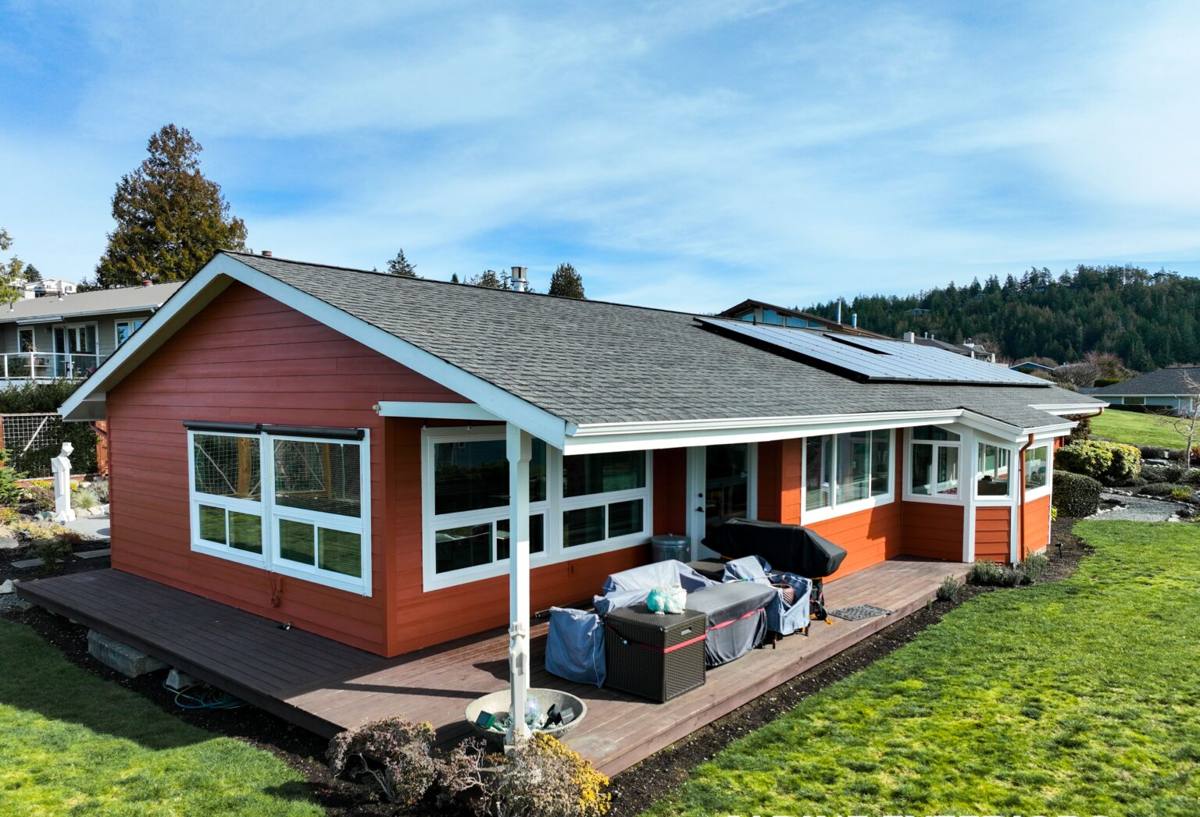
What Correct Siding Installation Actually Involves
Siding failures in this part of Florida are rarely about the siding panel itself — they're almost always about what happens behind it. Water finds the smallest gap in flashing, caulk, or fastening and works its way into the wall assembly, where it can sit against sheathing and framing for months before anyone sees a visible problem. A correct installation is built to keep that from happening.
Moisture Management and Flashing
Every penetration in the wall — windows, doors, hose bibs, electrical fixtures, vents — needs proper flashing integrated with a weather-resistant barrier so water sheds outward and downward, never trapped behind the cladding. Butt joints between siding boards, inside corners, and the transition points where siding meets trim, roofline, or foundation are the places where a rushed installer cuts corners. We treat those details as the actual job, not the finishing touches.
Fastening and Wind Resistance
Sarasota County's building code reflects its wind exposure, and fastener spacing, fastener type, and stud penetration all affect how a wall system performs in a wind event. Manufacturer installation instructions specify exact nailing patterns for a reason — proper fastening is what keeps siding attached to the structure rather than becoming wind-borne debris during a tropical storm or hurricane. We follow those specifications on every panel, not just the ones that are easy to reach.
Clearances and Drainage
Siding needs a gap above grade, above roof lines, and above hard surfaces like patios and driveways so water can drain and the bottom edge of the material doesn't sit in standing moisture. Skipping proper clearance is one of the most common shortcuts in Florida installations, and it's one of the fastest ways to cause rot or swelling at the base of a wall.
Why We Install Only James Hardie Fiber Cement
We made a deliberate decision to install one siding system: James Hardie fiber cement. We don't install vinyl, LP SmartSide, Cemplank, Allura, or wood siding, and that's worth explaining honestly rather than just stating as a policy.
Vinyl siding is affordable and low-maintenance in mild climates, but it softens and can warp in sustained high heat, and it has real limits in high-wind exposure compared to a heavier, mechanically fastened material. Engineered wood products like LP SmartSide perform well in many parts of the country, but wood-based substrates are more sensitive to sustained moisture exposure than fiber cement, which matters in a climate where humidity rarely lets up. Primed wood and cedar require an ongoing paint and sealing commitment that most homeowners underestimate until the maintenance bills start arriving. Each of these products has legitimate uses — they're just not the standard we're willing to put our name behind in a coastal Gulf climate.
The HZ5 Climate-Engineered Difference
James Hardie engineers its fiber cement products by climate zone, and Florida installations use the HZ5 formulation, built specifically for high-humidity, high-moisture regions. Fiber cement is non-combustible, doesn't attract termites the way wood-based products can, and holds its shape and finish through heat cycles that cause other materials to expand, contract, and eventually crack or warp. The factory-applied ColorPlus finish is baked on under controlled conditions and backed by its own finish warranty, which means the color coat is engineered to resist Florida's UV exposure far better than a field-applied paint job.
Our Installation Process for Venice Homes
- Site and substrate assessment. We check existing sheathing, wall condition, and moisture barrier status before any siding goes on — this isn't a step to skip, especially on older Venice homes.
- Weather-resistant barrier and flashing installation. Every window, door, and penetration gets properly integrated flashing before the first siding board is hung.
- Panel installation to manufacturer spec. Fastener pattern, board overlap, and joint placement follow James Hardie's published instructions for this wind zone, not a generalized approach.
- Trim, corners, and detail work. Corner boards, trim, and transitions are finished to shed water, not just to look clean from the street.
- Final inspection and cleanup. We walk the full exterior before calling the job done, checking caulking, fastening, and clearances.
Comparing Siding Materials for a Venice Climate
| Factor | James Hardie Fiber Cement | Vinyl | Engineered Wood (LP SmartSide) | Natural Wood/Cedar |
|---|---|---|---|---|
| High-wind performance | Strong when installed to spec | Moderate, panel-dependent | Moderate | Moderate, fastener-dependent |
| Moisture/humidity tolerance | High — cement-based, won't rot | High but can warp in heat | Moderate — wood-based substrate | Low without diligent upkeep |
| Salt air resistance | High | Moderate | Moderate | Low to moderate |
| UV/fade resistance | High with factory ColorPlus finish | Moderate, can chalk over time | Moderate, paint-dependent | Low without repainting |
| Ongoing maintenance | Low | Low | Moderate | High — regular painting/sealing |
What Drives the Cost of a Venice Siding Job
Every Venice home is a little different, and giving a number without seeing the house wouldn't be honest. But the real cost drivers are consistent across most jobs:
| Cost Factor | Why It Matters |
|---|---|
| Home size and wall complexity | More square footage and more corners, gables, and dormers mean more material and labor time |
| Existing substrate condition | Rotted sheathing or old moisture damage found during tear-off adds repair scope |
| Siding profile and plank width | Different Hardie profiles (lap, shingle-style, panel) carry different material and install costs |
| Trim and detail scope | Extensive trim work, corner detailing, and window casing add labor beyond flat wall coverage |
| Tear-off and disposal | Removing and hauling away old siding is a separate cost from new installation |
Why a Crew That Already Works Venice Matters
Installation quality depends on more than product selection. A crew that regularly works in Venice and the surrounding Sarasota County area already understands the wind exposure requirements local building departments expect, knows what older housing stock in this area tends to have behind the walls, and has already worked through the permitting and inspection process here more than once. That familiarity shows up in fewer surprises mid-project and fewer callbacks after the job is done. It also means someone answering the phone who actually knows the coastal conditions your home is dealing with, rather than reciting generic installation talking points.
Signs Your Current Siding Is Due for Replacement
- Visible cracking, splitting, or buckling in panels or boards
- Soft spots when pressed, especially near the bottom of walls or under windows
- Persistent fading or chalking that repainting no longer corrects
- Bubbling, peeling, or discoloration suggesting moisture trapped behind the siding
- Rising energy bills that may point to a compromised exterior envelope
- Visible mold, mildew, or a musty smell along interior walls that back up to exterior siding
- Siding that shifted or came loose during a recent storm
Caring for James Hardie Siding After Installation
One advantage of fiber cement is how little upkeep it demands compared to wood or vinyl. A periodic rinse with a garden hose removes salt residue and airborne grime before it builds up. Caulked joints and trim should be checked once a year, particularly after hurricane season, since caulking is the one component that ages faster than the siding itself. Keep an eye on areas where sprinklers hit the wall directly — repeated water contact in one spot, even on fiber cement, is worth correcting by adjusting the sprinkler head rather than letting it run. Beyond that, James Hardie siding installed and maintained properly is one of the lowest-maintenance exterior systems available in this climate.
Ready to Talk About Your Venice Home
If your siding is aging, storm-damaged, or you're simply planning ahead for a coastal-grade exterior, we're happy to take a look and walk you through what correct installation looks like for your specific home. Reach out for a free, no-pressure estimate using the form below.