 Sarasota Siding
 Windows in Ellenton Take a Different Kind of Beating
Ellenton sits close enough to the Gulf and Tampa Bay that its homes deal with the same punishing mix of conditions found across the greater Sarasota area: long stretches of intense UV, humidity that never really lets up, wind-driven rain during summer storms, and the occasional direct hit from a tropical system or hurricane. Windows are one of the first parts of a house to show the wear from all of that, and they're also one of the most common places for water to find its way into a wall. A window that's installed correctly holds up to all of it for decades. One that's installed carelessly — even a good, expensive window — can start failing within a year or two.
We install windows for homeowners throughout the region, and Ellenton properties tend to fall into two categories: older homes with original or builder-grade windows that are simply worn out, and newer homes where a past installation was rushed or done without the flashing and sealing details that actually matter here. Both situations call for the same thing — a window that's rated for the wind and rain this area sees, installed by someone who treats the opening, not just the window, as the job.
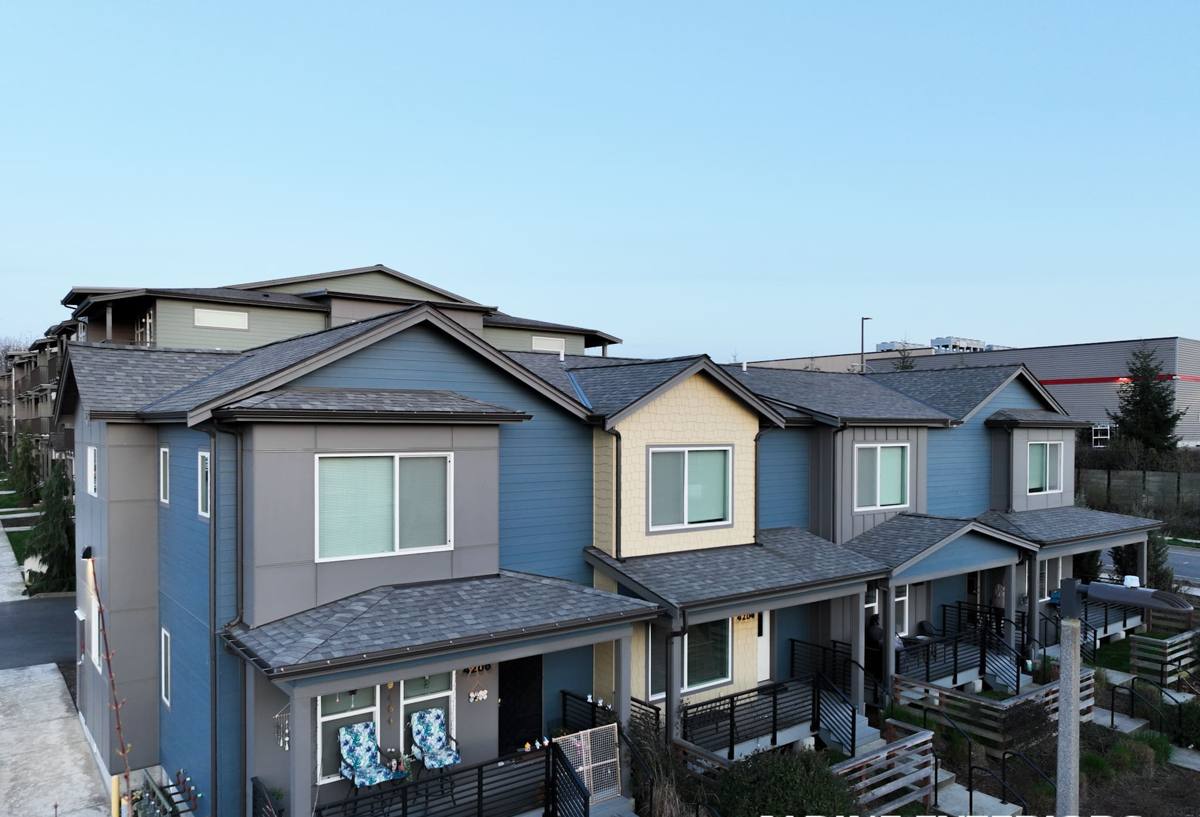
What the Local Climate Actually Does to a Window
UV and Heat
Florida sun is hard on vinyl frames, glazing seals, and weatherstripping. Cheap vinyl can warp or discolor within a few years of full sun exposure, and failed seals let humid air creep between panes, which is why you'll sometimes see fogging or condensation trapped inside older double-pane units. Better frame materials and quality glazing seals resist this far longer.
Wind-Driven Rain
It doesn't take a hurricane to push water sideways into a window opening — a strong afternoon thunderstorm with gusty wind will do it. If the flashing, sill pan, and sealant details around the window aren't done right, that water finds its way behind the frame and into the wall cavity, where it can sit unnoticed until you see a stain, a soft spot, or a musty smell.
Wind Load and Storm Pressure
During tropical storms and hurricanes, windows face both direct wind pressure and the risk of windborne debris. A window that isn't rated for local wind-load requirements, or that isn't anchored into the framing correctly, can fail under that pressure — and once one window fails during a storm, the pressure change inside the house puts the roof and other openings at risk too.
Salt Air
Being close to the coast means airborne salt settles on hardware, screens, and frames over time. It's not as aggressive here as it is right on the beach, but it does accelerate corrosion on lower-quality fasteners and hinges, which is one more reason we don't cut corners on the hardware we use.
What a Correct Window Installation Actually Involves
The window itself gets most of the attention when homeowners shop around, but the installation is what determines whether that window performs for 20-plus years or starts leaking in year three. A proper install includes:
- Opening inspection — checking the existing framing, sill, and sheathing for rot, soft spots, or prior water damage before anything new goes in.
- Sill pan flashing — creating a sloped, sealed pan at the bottom of the opening so any water that does get past the window drains back outside instead of into the wall.
- Proper flashing sequence — integrating the window flashing with the house wrap or building paper in the correct shingle-lap order so water always sheds downward and outward.
- Correct fastening — anchoring the window into structural framing with fasteners rated for the window's wind-load requirements, not just enough screws to hold it in place.
- Continuous sealant bead — a proper backer rod and sealant joint around the exterior perimeter, with no gaps, instead of a bead of caulk smeared over the trim after the fact.
- Interior air sealing — sealing the gap between the window frame and the rough opening with appropriate insulation, not left open or overstuffed.
- Level, plumb, and square check — a window that's out of square will bind, won't lock properly, and will wear out its own weatherstripping prematurely.
Skip any one of these steps and the window can still look fine from the curb for a while. The problems that show up from a rushed install are almost always hidden until they're expensive.
Choosing the Right Window for a Coastal Sarasota-Area Home
Not every home needs the same window. The right choice depends on the home's exposure, the window's location on the house, and the homeowner's priorities around storm protection, noise, and budget.
| Factor | Standard Dual-Pane Window | Impact-Rated Window |
|---|---|---|
| Storm protection | Requires separate shutters or panels | Built to resist windborne debris on its own |
| Wind noise reduction | Moderate | Noticeably quieter, especially near roads or open lots |
| UV/heat performance | Good with Low-E glass upgrade | Typically comes standard with Low-E laminated glass |
| Upfront cost | Lower | Higher |
| Insurance considerations | May not qualify for wind-mitigation credits | Can qualify for wind-mitigation discounts — worth confirming with your carrier |
| Maintenance | Standard frame and seal upkeep | Same upkeep; laminated glass resists seal failure longer |
We don't push impact windows on every job — for a well-shaded, sheltered opening on a home that already has good shutters, a quality standard window can be the more sensible choice. But for larger openings, west- or south-facing exposures that take the brunt of afternoon storms, or homeowners who want to simplify their storm prep, impact glass is usually worth the difference.
Our Installation Process
- On-site assessment — we measure every opening individually (older homes are rarely perfectly square) and inspect the surrounding framing and sheathing.
- Product selection — we walk through frame material, glass package, and impact-rating options based on the specific opening and your priorities.
- Permitting — window replacement in this area typically requires a permit tied to the local wind-load and impact requirements for your property; we handle that paperwork rather than leaving it to you.
- Removal and opening prep — old windows come out carefully, and we repair any rot or damaged sheathing we find before the new window goes in. This step gets skipped by installers in a hurry, and it's the one that causes callbacks.
- Flashing and installation — sill pan, flashing integration, structural fastening, and sealant, done in the sequence above.
- Interior and exterior finish — trim, caulk lines, and interior sealing finished cleanly.
- Final walkthrough — every window opens, closes, locks, and seals correctly before we consider the job done.
Signs It's Time to Replace, Not Repair
Not every window problem means a full replacement, but these are the signs that repair is just delaying the inevitable:
- Fogging or condensation trapped between panes — the seal has failed and can't be fixed, only replaced
- Windows that are hard to open, close, or lock, especially after settling or humidity swings
- Visible daylight or a draft around the frame when it's closed
- Soft or discolored drywall, trim, or sheathing near the window — a sign water has already gotten in
- Frames that are warped, chalky, or cracking from UV exposure
- Noticeably higher cooling bills with no other explanation
- Single-pane glass in a home that's never been upgraded — the efficiency and noise difference with modern glass is significant
What Window Installation Costs to Expect
Every project is different, but these are the main factors that move the price, so you know what you're actually paying for when you compare quotes:
| Cost Factor | Why It Matters |
|---|---|
| Window size and count | Larger openings and whole-house replacements naturally cost more than a single small window |
| Impact vs. standard glass | Impact-rated laminated glass carries a real material premium over standard dual-pane |
| Frame material | Vinyl, aluminum, and fiberglass differ in upfront cost and long-term durability |
| Opening condition | Rot or sheathing damage found during removal adds repair time before the new window can go in |
| Access and height | Second-story or hard-to-reach openings take more labor and equipment |
| Permitting | Permit fees vary by scope and are a required part of a legal, insurable installation |
Be cautious of a quote that's dramatically lower than everyone else's — it usually means a cheaper window, a rushed installation, or both, and the difference tends to show up later as a leak or a warranty denial rather than upfront.
Why Local Experience in the Ellenton Area Matters
A window installer who works this part of the Gulf Coast regularly already knows what to expect from an opening in this climate — where water tends to get in, which older homes are more likely to have hidden framing issues, and what local permitting and inspection actually require. That's the difference between a crew that's guessing and one that's done the job under the same sun, humidity, and storm conditions your house deals with every year. It also means someone local is available if a question comes up after the install, not a name attached to a job that's already moved on to another state.
If your Ellenton-area home has windows that are fogging, sticking, drafty, or original to a home built decades ago, it's worth having someone take an honest look before another storm season tests them. We're happy to walk your home, point out what actually needs attention versus what can wait, and give you a straightforward, no-pressure estimate — just fill out the form below to get started.