 Sarasota Siding
 Windows Built for What Bee Ridge Actually Deals With
Bee Ridge sits inland from the barrier islands, but "inland" in Sarasota County doesn't mean sheltered. The same tropical storm systems and hurricane-force wind events that hit the coast still move straight through this part of the county, and the sun exposure here is just as intense as anywhere else in the region. Add in wind-driven rain that finds every gap in a tired window frame, plus the humidity and salt-laden air that drifts inland on sea breezes, and you have a set of conditions that ages a window fast if it wasn't built or installed with this climate in mind.
A lot of the housing stock in and around Bee Ridge spans several decades of construction, which means window openings, frame depths, and rough opening conditions vary a lot from block to block. That's exactly why "custom" matters here more than it might in a newer subdivision with uniform floor plans. Off-the-shelf sizing works until it doesn't, and forcing a stock window into an opening it wasn't made for is one of the most common ways a window installation fails early.
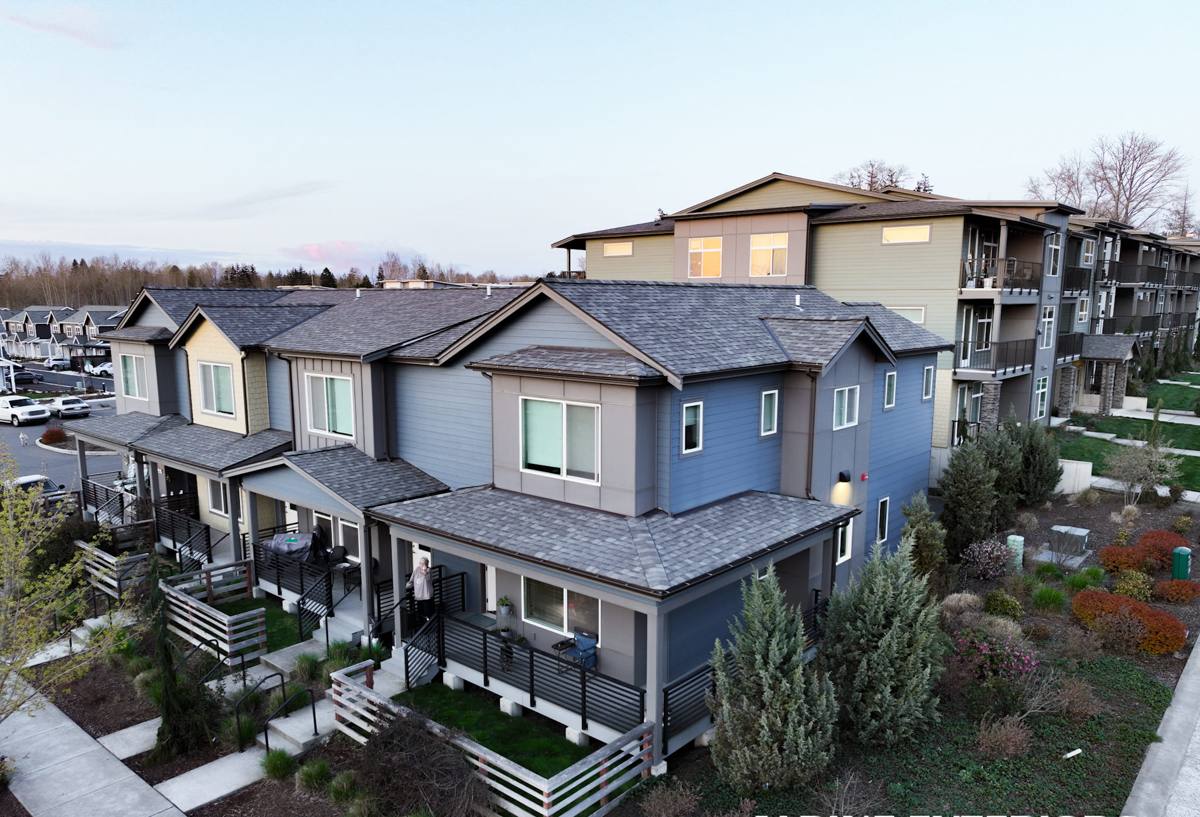
What "Custom" Really Means on a Window Job
Custom doesn't mean expensive or exotic. It means the window is specified, ordered, and installed to match the actual opening and actual performance needs of your home, rather than picking the closest standard size and shimming the gap. On a Bee Ridge project, that usually covers:
Precise Measurement
Older homes settle. Openings that were square when the house was built are often slightly out of square now. We measure each opening individually, not just once for the whole house, because a window that's a quarter inch off can leave a gap that no amount of caulk fixes correctly.
Matching Sightlines and Style
If you're replacing a few windows and keeping others, matching frame width, grid pattern, and glass tint keeps the house looking intentional instead of patched together. This matters more on street-facing elevations than on side or rear windows.
Performance Specification
Custom also means choosing the glass package, frame material, and impact rating based on that specific window's sun exposure and wind load, not applying one spec to the whole house. A west-facing window taking direct afternoon sun has different needs than a shaded window on the north side.
Impact Rating and Sarasota County Code: What to Know Before You Buy
Florida's building code sets wind-borne debris requirements based on wind speed and distance from the coast, and those requirements can vary by exact location even within the same county. Bee Ridge homeowners should confirm their specific parcel's wind zone and code requirement with Sarasota County or a licensed contractor before assuming what applies — we won't guess on this, and we pull the actual permit requirements for your address as part of an estimate.
What we can say in general: even where impact-rated glass isn't strictly required by code for a given opening, most Bee Ridge homeowners choose it anyway once they compare it against shutters or panels that have to be installed by hand before every storm. Here's how the common approaches stack up:
| Approach | Storm Prep Required | Daily Comfort | Typical Trade-Off |
|---|---|---|---|
| Non-impact glass + removable panels | Manual install before every storm | Standard | Lowest upfront cost, but real labor and risk if a storm arrives fast |
| Non-impact glass + accordion or roll shutters | Deploy shutters, no panel handling | Blocks light when closed | Faster prep, but shutters need their own maintenance and don't help daily UV load |
| Laminated impact-rated glass | None — always protected | Full light and view, year-round | Higher upfront cost, offset by no storm labor and better everyday UV and sound control |
Impact glass also does double duty the shutter options don't: the laminated interlayer blocks a large share of UV transmission even on a clear, ordinary day, which matters a lot given how much direct sun Sarasota County gets across the whole year, not just during storm season.
Frame and Glass Options We Actually Discuss
Frame Material
Vinyl, aluminum, and fiberglass all show up in Bee Ridge homes, and each has a legitimate place depending on the opening size, the home's style, and budget. Vinyl is the most common mid-range choice and holds up well against humidity since it doesn't corrode or rot, though very large openings can push it past its structural comfort zone. Aluminum handles larger spans and heavier glass packages well and has a slimmer sightline, but it conducts heat, so the frame itself can get warm to the touch on a west-facing wall in July. Fiberglass costs more but moves very little with temperature swings, which matters when a frame sits in direct sun most of the day.
Glass Package
Low-E coatings reduce heat transfer without noticeably darkening the glass, which is usually the first upgrade worth paying for regardless of frame material. Laminated glass (the layer that makes a window impact-rated) also cuts outside noise and adds a security benefit, since it holds together even if the outer pane cracks. Tinted or reflective glass can help on the worst sun exposures but changes the look of the home from outside, so we treat it as a case-by-case decision rather than a default.
What a Correct Installation Actually Involves
The window itself is maybe half the job. The other half — the part that determines whether it survives its first real storm season — is the installation detail most homeowners never see once trim goes back on:
- Removing the old window fully, including old fasteners and failed sealant, rather than installing over what's already there
- Checking the rough opening for rot, moisture damage, or out-of-square framing before the new unit goes in
- Correct flashing and drainage path so any water that gets behind the frame has somewhere to go besides your wall cavity
- Fastening to the manufacturer's specified pattern and substrate, not just "enough screws to hold it"
- Sealant that's rated for exterior exposure and applied in a continuous bead, not just dabbed at the corners
- Interior and exterior trim reinstalled cleanly, with caulking that matches the surrounding paint or finish
Skipping any one of these steps is how a window that looks fine on installation day ends up with water intrusion, fogged glass, or a failed seal within a few storm seasons. It's also the difference that doesn't show up on a quote until it shows up on your wall.
Our Process, Start to Finish
1. On-Site Assessment
We walk the home, measure every opening being considered, and look at sun exposure, current frame condition, and any signs of past water intrusion around existing windows.
2. Honest Recommendation
We'll tell you where impact glass makes sense, where it's optional, and where a lower-cost option is genuinely fine for that particular opening. We're not going to spec the most expensive package for every window if your budget and the window's exposure don't call for it.
3. Order and Lead Time
Custom windows are built to your measurements, so there's a manufacturing lead time between order and delivery. We'll give you a realistic window for that rather than a vague estimate.
4. Installation
Full removal of old units, opening inspection, correct flashing and fastening, and finish work, done in a sequence that keeps your home weathertight at the end of each work day, not just at the end of the job.
5. Final Walkthrough
We check operation, seals, and finish work with you before we consider the job done, and answer any questions about care going forward.
Signs Your Current Windows Are Already Behind
Most homeowners don't replace windows on a schedule — they replace them when something starts going wrong. Watch for:
- Fogging or a milky haze between panes of double-glazed glass, which means the seal has failed and can't be repaired
- Difficulty opening, closing, or locking, especially after the home has been through a hot summer
- Visible daylight or a draft around the frame when the window is fully closed and locked
- Soft trim, discoloration, or a musty smell near the window, which can point to water getting behind the frame
- Noticeably higher afternoon heat in rooms with west or south-facing windows compared to the rest of the house
- Frames that are chalky, pitted, or visibly degraded from years of direct UV exposure
Any one of these on its own might just need a repair. Several at once, or any sign of water intrusion, usually means it's time to talk about replacement before the next storm season tests what's left of the seal.
Why It Matters That We Already Work in Bee Ridge
A crew that already works this specific area has a working knowledge of what's common in local construction: typical opening sizes for the era of homes here, which permitting details Sarasota County will ask about, and how different frame materials have actually held up under a few real storm seasons rather than just a spec sheet. That's not something you get from a crew driving in from outside the region for a single job. It also means we're a known, findable business if a question comes up two years after installation — not a name from an out-of-town flyer.
Keeping Custom Windows Performing Long-Term
Even a well-installed window needs basic upkeep in this climate. Rinse frames and tracks periodically to clear salt residue before it builds up, especially after a stretch of onshore wind. Keep weep holes clear of dirt and debris so water drains the way it's designed to. Inspect exterior caulking once a year and have any cracked or separated sealant redone before the next rainy season, since a small gap now is a bigger problem after a few more months of UV and moisture cycling.
If you're weighing repair versus replacement, or just want a straight answer on what a specific window opening actually needs, we're happy to take a look. The estimate is free, there's no pressure, and you'll get a clear recommendation you can act on whenever you're ready — just fill out the form below.