 Sarasota Siding
 Storm Damage Roof Repair Built for How Bradenton Actually Gets Hit
Bradenton sits on the Gulf Coast just north of Sarasota County, in Manatee County, and that location means local roofs absorb the same weather punishment that defines this whole stretch of coastline: hurricane-force wind gusts during named storms, wind-driven rain that gets pushed under roofing material instead of running off it, intense year-round UV that breaks down roofing surfaces faster than in most of the country, and salt-laden air working on metal flashing, fasteners, and vents even on calm days. None of that damage shows up the same way twice, which is exactly why storm damage roof repair needs a real inspection and an honest scope of work, not a generic patch job.
This page covers what actually goes wrong with roofs after storms in this area, how a correct repair is diagnosed and carried out, and why hiring a crew that already works Bradenton and the wider Sarasota-Manatee area matters more here than it would somewhere with milder weather.
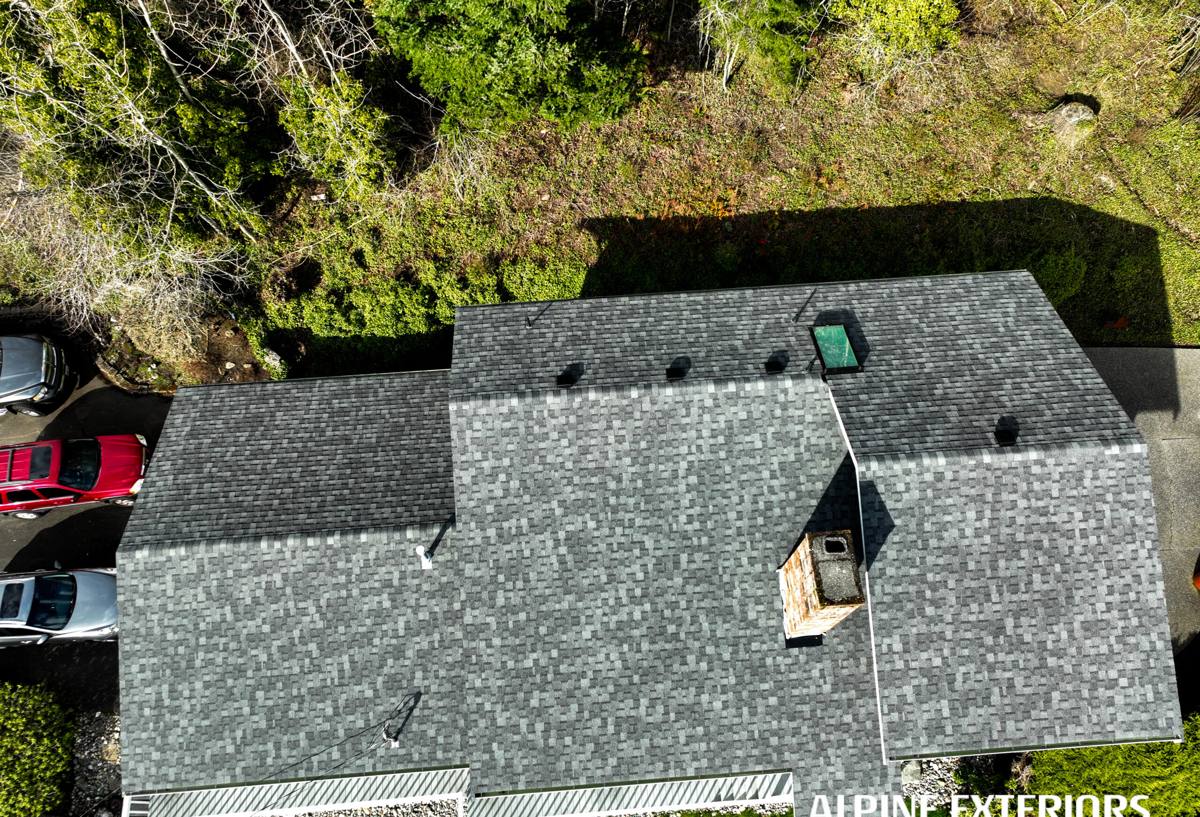
What Actually Damages Roofs Out Here
Wind Uplift and Lost Covering
Sustained high wind and gusts during tropical storms and hurricanes work roofing material from the edges and corners inward, where wind pressure is highest. Shingles lose their seal, tiles shift or crack loose from their fasteners, and in worse cases entire sections of covering peel back or go missing. The tricky part is that a roof can lose its wind-seal across a much wider area than the spots where material is visibly gone, which is why "we lost a few shingles" often turns out to be a bigger repair once the whole field gets checked.
Wind-Driven Rain Intrusion
Ordinary rain runs off a roof the way it's designed to. Wind-driven rain during a storm gets forced sideways and upward, finding its way under shingle tabs, around flashing, and through gaps that never see water under normal conditions. This is how a roof can develop an active leak during a storm even when the covering material itself looks mostly intact afterward — the water got in at a valley, a vent boot, or a wall transition rather than through the field.
UV Breakdown and Sun Exposure
Florida carries some of the highest UV exposure in the country, and a roof takes that load directly, every day, with no relief. On asphalt shingles, UV breaks down the asphalt and drives granule loss, which is what eventually leaves the fiberglass mat underneath exposed and vulnerable. On tile, prolonged sun exposure can make older tile more brittle and prone to cracking under impact or foot traffic. UV damage is gradual on its own, but it's also what sets a roof up to fail faster the next time wind or rain tests it.
Salt Air and Metal Corrosion
Being close to the Gulf means salt-laden air settling on exposed metal continuously, not just during storms. Flashing, drip edge, vent stacks, and fasteners corrode faster here than they would further inland, and a corroded fastener or a flashing seam that's lost its integrity is a common, easy-to-miss cause of leaks that otherwise look mysterious. Roofs closer to open water tend to show this faster than ones set back from it, but no Bradenton roof is fully exempt from it over time.
Cosmetic Wear vs. Structural Damage
Not every mark on a roof after a storm means the same thing, and telling the difference correctly is the actual job of a proper inspection — not just a walk around the yard with binoculars.
| Symptom | Usually Cosmetic | Often Structural |
|---|---|---|
| Patchy granule loss on shingles | Yes — normal wear, accelerated by UV | Only if the fiberglass mat underneath is exposed |
| A few lifted or missing shingle tabs | Sometimes — isolated wind damage | Often — can signal broader wind-seal loss across the field |
| Cracked or slipped roof tile | Cosmetic if isolated and underlayment is intact | Yes, if water has reached the deck below |
| Soft or spongy spot in the decking | No | Yes — rot or sustained moisture intrusion |
| Interior ceiling stain or water spot | No | Yes — active or past roof leak reaching the structure |
| Rust streaking at flashing or fasteners | Cosmetic if isolated | Can signal fastener or flashing failure underneath |
Cosmetic wear affects appearance and can usually be scheduled as routine maintenance. Structural damage affects the roof's ability to keep water out and shouldn't wait, especially anything involving exposed decking, active leaks, or compromised flashing.
How We Inspect a Roof After a Storm
A repair scope that's actually accurate starts with a real inspection of the whole roof, not just the parts visible from the driveway. That typically includes:
- Walking the full roof plane, since wind damage often shows up on slopes you can't assess from the ground
- Checking wind-seal integrity across the field, not only in the spots where damage is obvious
- Inspecting flashing at valleys, chimneys, vent boots, and roof-to-wall transitions, since these are the most common leak points after wind-driven rain
- Probing decking for soft spots near any area where covering material has lifted or gone missing
- Checking the attic, where accessible, for water staining, damp insulation, or daylight coming through the deck
- Documenting damage with photos before any repair work begins, which matters if you end up filing an insurance claim
We walk through what we find plainly — what needs repair now, what can be monitored, and what's purely cosmetic — before recommending a scope of work.
Repair vs. Replace: How That Decision Actually Gets Made
Storm damage doesn't automatically mean a full re-roof, and it doesn't automatically mean a small patch will hold, either. The honest factors that drive this call:
- Extent of the damage across the roof plane. Damage isolated to one slope or one section is usually a solid repair candidate. Damage spread across multiple planes, or found at several unrelated points, often points to a system-wide problem worth addressing at once.
- Remaining service life of the existing roof. A roof that's already near the end of its expected lifespan may only have so many more repair cycles in it before replacement becomes the more sensible option financially.
- Decking condition underneath. Localized soft decking can usually be cut out and replaced as part of a repair. Widespread moisture damage to the deck changes the math toward replacement.
- How the original roof was installed. Some older roofs weren't fastened or flashed to current wind-resistance standards, and repairing those in place without addressing the underlying installation just delays the same failure.
We'll give a straight answer on which category a given roof falls into, including when a repair is genuinely the right call rather than pushing toward the bigger job.
What a Correct Storm Repair Involves
Matching Materials to What's Already There
Bradenton roofs are a mix of asphalt shingle, concrete or clay tile, and metal, and a repair needs to work with whatever's already on the house. Matching shingle style and color, or sourcing a compatible tile profile, keeps a repair from standing out as an obvious patch. On older tile roofs especially, an exact color or profile match isn't always available, and we'll say so upfront rather than after the work starts.
Flashing and Underlayment Done Right, Not Just Covered Over
A lot of storm leaks trace back to flashing or underlayment that was compromised, not just missing covering material. A repair that replaces shingles or tile over damaged flashing or torn underlayment without correcting it tends to leak again in the same spot at the next storm. We address the flashing and underlayment layer as part of the repair, not as an afterthought underneath the visible fix.
Fastening and Sealing to Current Wind Standards
Where we replace covering material, fastening pattern and sealing method are done to current wind-resistance practice for this region, not a like-for-like copy of whatever was there before if that installation was part of why the damage happened. That's a meaningful difference between a repair that holds through the next storm season and one that needs redoing after the next round of high wind.
Documentation That Actually Helps If You're Filing an Insurance Claim
We're not an insurance company and can't make coverage decisions, but there are practical things that make a claim go more smoothly if you end up filing one. Photograph visible damage before any tarping or repair work begins, and keep records of when the storm occurred relative to when damage was found. If emergency tarping is needed to stop active water intrusion, that's a reasonable and often expected step — keep receipts and photos of that work too. A written inspection report that separates storm damage from pre-existing wear helps an adjuster understand what they're looking at, and it's something we provide as part of our assessment.
What Homeowners Can Do Between Storms
- Trim back overhanging branches so they can't rake shingles or crack tile during high wind
- Keep gutters and valleys clear so wind-driven rain has somewhere to drain instead of backing up under the covering
- Have loose or lifted shingles or tile resealed or replaced promptly, before a small gap becomes a leak during the next storm
- Check attic ventilation periodically, since trapped heat and humidity shorten a roof's service life in this climate
- Schedule an inspection after any significant wind event, even if nothing looks obviously wrong from the ground
- Keep an eye on flashing and roof penetrations, since these tend to fail before the field material does
Why It Matters That We Already Work Bradenton
A crew that mostly works further inland can still do competent roofing, but Bradenton and the surrounding Sarasota-Manatee area carry conditions — Gulf-facing wind exposure, salt air, and a mix of shingle and tile roofing common to this part of Florida — that come up more consistently here than elsewhere in the state. Working this area regularly means we're not guessing at wind-resistance requirements, tile sourcing, or how local permitting handles repair versus replacement scopes. That familiarity translates into a more accurate first inspection and fewer surprises once work is underway, because the assessment accounted for how this coastline actually behaves rather than applying a generic checklist built for a different climate.
Whether you're dealing with an active leak, storm damage you want assessed before it gets worse, or you just want a straight opinion on where your roof stands, we're glad to take a look and explain what we find plainly — including if the honest answer is that it doesn't need much. Reach out below for a free, no-pressure estimate.