 Sarasota Siding
 Bee Ridge Homes and What Sarasota's Climate Actually Does to Siding
Bee Ridge sits inland enough from the coast to avoid direct surf spray, but close enough that salt air still rides in on the wind, especially after a storm system pushes through Sarasota County. Combine that with the intense, near year-round UV load Florida homes take, long stretches of humidity, and the wind-driven rain that comes with every serious summer squall or tropical system, and you get a climate that is genuinely hard on exterior siding. It doesn't matter how well a house was built — the siding is the first line of defense, and in this part of Florida it takes a beating every single year.
Most siding repair calls we get in Bee Ridge aren't from one dramatic event. They're the accumulation of small failures: a seam that opened up two summers ago and has been letting moisture in ever since, a section of trim that lost its paint and started absorbing water, or panels that were never properly sealed at the factory-cut edges. By the time a homeowner notices a soft spot or a stain, the damage is usually well past "cosmetic."
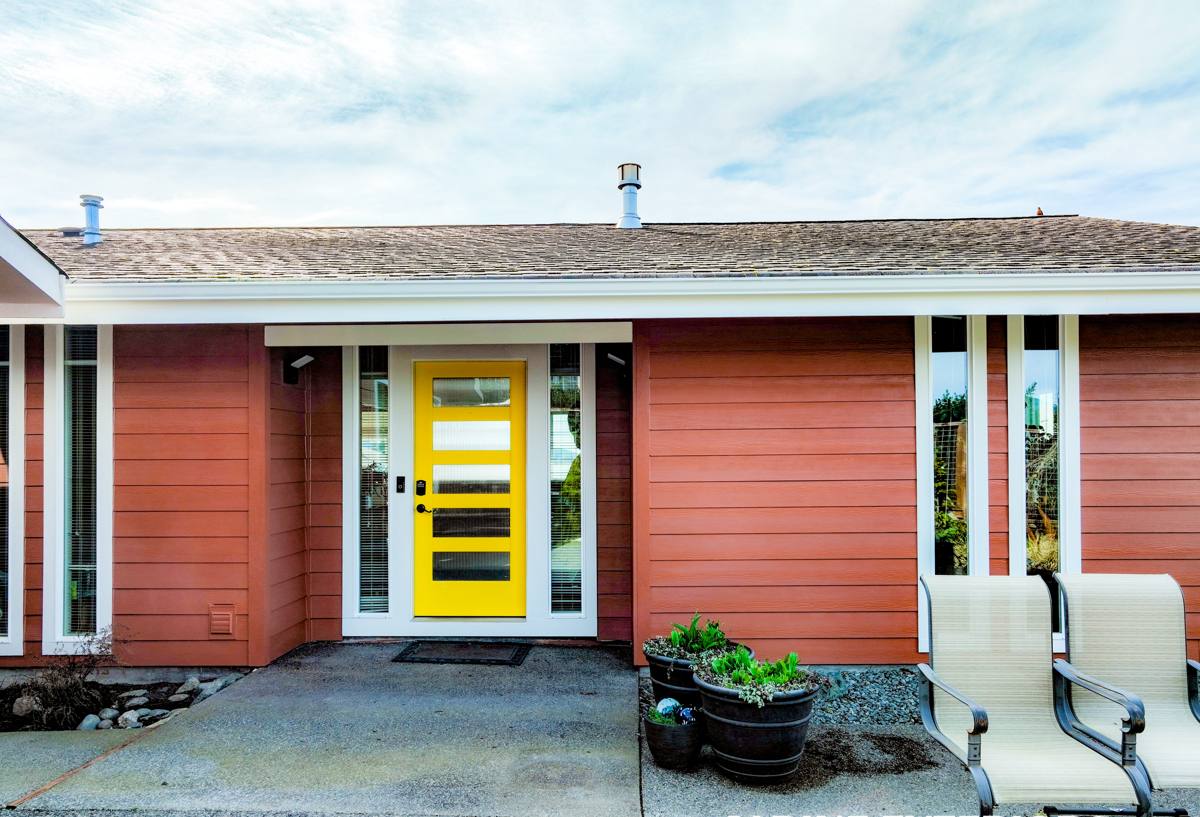
Signs Your Bee Ridge Home Needs Siding Repair
Because siding damage in this climate tends to start hidden and work its way outward, it helps to know what to look for before a small issue becomes a structural one.
- Soft or spongy spots when you press on the siding, especially near the bottom courses or around window and door trim
- Visible cracking, splitting, or buckling — common where panels weren't fastened or spaced correctly
- Peeling or bubbling paint, which often signals moisture trapped behind the surface rather than a simple paint failure
- Dark streaking, staining, or a musty smell near exterior walls, especially after heavy rain
- Gaps at seams, corners, or where siding meets windows, doors, and the roofline
- Visible fastener heads, rust streaks, or nails that have backed out of the panel
- Warping or separation after a named storm or a season of strong afternoon thunderstorms
Any one of these on its own might be minor. Several together, or any sign near a roof valley, window head, or ground-level corner, usually means water has already gotten behind the cladding.
Where Damage Tends to Show Up First in Bee Ridge
Low sun exposure walls take the worst UV degradation over time, which shows up as chalking, fading, and brittle caulk joints. North- and east-facing walls that stay shaded and damp longer after rain tend to develop moisture problems even though they see less direct sun. Ground-level siding near sprinkler heads, downspouts, or dense landscaping is also a repeat offender — constant dampness against the bottom courses accelerates rot and paint failure regardless of the siding material.
What a Correct Siding Repair Actually Involves
A proper repair is not just cutting out a bad section and nailing up a new piece. Done right, it addresses why the damage happened in the first place, or it just comes back.
- Diagnose the source, not just the symptom. A stained panel might be the entry point, or it might just be where water travels to before it shows itself. Tracing the actual path matters more than patching what's visible.
- Remove damaged material fully. Cutting back to solid, dry substrate — not just the section that looks bad — prevents rot or moisture from continuing to spread behind the new material.
- Inspect what's underneath. House wrap, flashing, and sheathing all take a look before anything gets closed back up. Repairing siding over a compromised weather barrier just resets the clock on the same failure.
- Re-flash and seal properly. Correct integration at seams, window and door trim, and any penetrations is what keeps wind-driven rain out going forward.
- Match material and reveal. New sections need to align in thickness, exposure, and profile with what's already on the wall, or the repair reads as a visible patch.
- Finish to last. Paint, caulk, and fastening all need to hold up to the same UV and humidity load as the original installation — cutting corners here is why so many repairs fail again within a few years.
Common Repair Scenarios We See in Bee Ridge
Storm and Wind Damage
High wind events can crack panels, pull fasteners loose, or peel sections away from corners and edges where the original install didn't have enough fastening margin. These repairs need to restore both the weather seal and the structural attachment, not just the appearance.
Long-Term Moisture Intrusion
Slow leaks around windows, at butt joints, or behind poorly caulked trim are the most common non-storm repair we see. By the time it's visible, there's often sheathing or framing damage that has to be addressed alongside the siding itself.
UV and Weathering Failure
Older siding, or siding with a factory finish that wasn't built for Florida sun, chalks, fades, and becomes brittle years before it should. Repairs in these cases often reveal that caulk joints and paint have failed across a much wider area than the one spot that prompted the call.
Mismatched or Incompatible Past Repairs
We regularly find previous patch jobs where the wrong material, wrong thickness, or wrong fastening method was used to save time. These patches usually fail again within a couple of seasons because they were never sealed or fastened to the standard the rest of the wall needs.
Repair vs. Replacement: How We Decide
Not every damaged section needs a full re-side, but a repair also isn't always the right call. We walk homeowners through the actual condition of the wall before recommending either.
| Factor | Favors Repair | Favors Replacement |
|---|---|---|
| Extent of damage | Isolated to a few panels or one wall section | Spread across multiple walls or the whole elevation |
| Underlying substrate | Sheathing and framing are dry and sound | Rot or water damage extends into structural framing |
| Age of existing siding | Siding is within its useful service life | Siding is near or past its expected lifespan |
| Material match | Matching profile and finish are available | Discontinued product or no reasonable match exists |
| Repair history | First repair on this section | Same area has already failed and been patched before |
If a wall has failed more than once in the same spot, that's usually a sign of a systemic problem — flashing, drainage, or the original material's suitability for Sarasota's climate — that a targeted repair won't solve permanently.
Why We Repair With James Hardie Materials
We install James Hardie fiber cement exclusively, and that carries into how we approach repair work too. When we're patching into existing Hardie siding, we match the correct HZ product line, panel thickness, and factory ColorPlus finish so the repair blends in and performs the same as the surrounding wall — not a different material fastened in as a stopgap.
When we're called to repair vinyl, LP SmartSide, or older wood siding, we'll do sound repair work using compatible materials, but we're upfront with homeowners about what we're seeing. Vinyl cracks and warps under UV and heat cycling and doesn't take paint. Engineered wood products are vulnerable to moisture at cut edges and seams if the factory coating isn't fully intact. Painted or bare wood needs ongoing maintenance to keep water out in a climate that gives it very little downtime between rain events. None of that means those materials can't be repaired — it means the repair is often a temporary fix on a product that's fighting the climate on a different footing than fiber cement is. For homeowners looking at repeated repairs, we're honest that a full re-side in James Hardie is often the more permanent answer, because it's non-combustible, engineered for humid, high-UV climates, and backed by a strong transferable warranty when installed to spec.
Our Process for Bee Ridge Siding Repair Jobs
- On-site inspection. We look at the damaged area and check adjacent sections, trim, and flashing for related issues before quoting anything.
- Honest scope. We tell you what's a straightforward patch, what needs a larger section replaced, and what points toward a bigger underlying problem.
- Written estimate. Clear scope of work, materials, and timeline before anything starts.
- Removal and inspection of substrate. Damaged material comes off, and we check the wrap, flashing, and framing underneath before closing anything up.
- Repair and reseal. New material matched to the existing wall, properly fastened, flashed, and sealed.
- Final walkthrough. We show you the completed repair and explain anything worth keeping an eye on going forward.
Why a Crew That Already Works Bee Ridge Matters
Siding repair in Sarasota County isn't the same job as siding repair somewhere with a mild, dry climate. A crew that regularly works this area already knows how Florida heat and humidity behave against different siding materials, how wind-driven rain finds gaps that look fine on a dry day, and how salt-laden air accelerates fastener corrosion and finish breakdown even a few miles inland. That local pattern recognition is what keeps a repair from becoming a repeat call twelve months later.
It also means faster response after a storm, familiarity with the permitting and inspection expectations in this county, and a crew that isn't learning the region's failure points on your house for the first time.
Maintaining Your Siding After Repair
A good repair should hold, but a little upkeep keeps it — and the rest of your siding — performing the way it should in this climate.
- Rinse siding periodically to remove salt residue, pollen, and mildew buildup before it stains or degrades the finish
- Inspect caulk joints at trim, windows, and seams once a year and re-seal any that have cracked or pulled away
- Keep sprinklers and irrigation heads from spraying directly onto siding
- Trim back landscaping so air can circulate and walls can dry out after rain
- Walk the exterior after any significant storm and look for the warning signs listed earlier in this page
If you're seeing any of these issues on your Bee Ridge home, or you just want a second opinion on a spot that doesn't look right, we're happy to take a look. Reach out for a free, no-pressure estimate using the form below.