 Sarasota Siding
 Bee Ridge Roofs Work Harder Than Most
Bee Ridge sits inland enough to feel like a quiet, tree-canopied neighborhood, but it's still squarely inside Sarasota County's weather pattern — which means every roof here is dealing with the same punishing combination the rest of the region gets: hurricane-force wind gusts, sideways wind-driven rain, near-constant UV exposure, and salt-laden air that drifts in off the Gulf even miles from the water. None of those factors act alone. Wind lifts shingle tabs and opens gaps that rain then finds. UV bakes asphalt granules and sealant strips brittle between storms. Salt air accelerates corrosion on fasteners, flashing, and any exposed metal. A roof that looks fine from the driveway can already have several of these problems working on it at once.
That's the backdrop for storm damage repair in this neighborhood. It's rarely just "a storm broke the roof." More often, a storm exposes weaknesses that Sarasota's year-round climate had already been creating for years — and the repair has to account for both the acute damage and the underlying wear, or the same spot fails again in the next system.
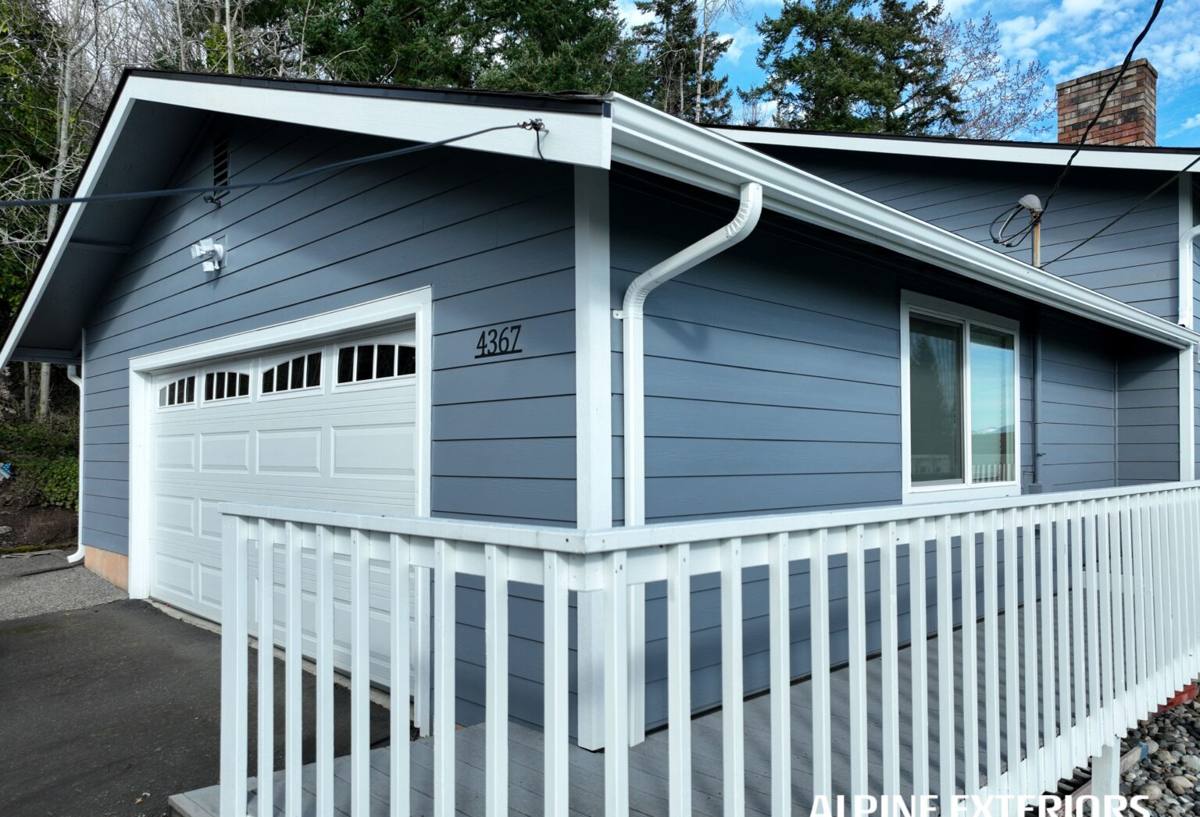
What Actually Counts as Storm Damage
Homeowners tend to picture storm damage as missing shingles or a visible hole. That's the obvious end of it. A lot of the damage that actually causes leaks and long-term rot is much less dramatic:
- Lifted or creased shingle tabs that still look mostly attached but have broken their seal
- Flashing around chimneys, skylights, and roof-to-wall transitions that's been worked loose by wind flex
- Torn or wind-driven-rain-soaked underlayment beneath shingles that appear intact
- Granule loss from wind abrasion, which thins a shingle's UV protection even without visible tearing
- Soffit and fascia damage that lets wind-driven rain into the attic from the roof edge rather than through the roof deck itself
- Debris impact bruising — soft spots where a branch or airborne object struck the roof without fully puncturing it
This is why a proper storm damage inspection isn't a walk-by from the street. It means getting on the roof (or using a ladder and, where needed, a drone or elevated inspection) and checking the less obvious spots — valleys, penetrations, edges — not just the field of the roof.
Our Storm Damage Repair Process
1. Inspection and Documentation
We start with a full inspection and photograph everything we find, whether it's a single lifted shingle or a full section of damage. That documentation matters for two reasons: it tells us exactly what needs to be repaired versus replaced, and it gives you a record you can use if you file an insurance claim.
2. Emergency Mitigation
If a roof has active leaking or exposed decking, the first priority is stopping water intrusion — tarping, sealing, or temporary flashing to protect the interior of the home until permanent repairs can be scheduled. In Florida's humidity, even a day or two of unmitigated water intrusion can start mold growth, so this step isn't optional when there's an open path for rain.
3. Scoped Repair
We repair what's damaged rather than defaulting to a full re-roof. That might mean replacing a section of shingles and the underlayment beneath them, resealing and re-securing flashing, or repairing soffit and fascia. If the damage is extensive enough, or if the existing roof was already near the end of its service life, we'll tell you that honestly rather than patching something that's going to need full replacement within a year or two anyway.
4. Final Check and Cleanup
Every repair gets a water test or close visual check at seams and flashing points before we consider the job done, and the property gets cleared of debris and old material.
Common Bee Ridge Repairs After a Storm
The specific repair depends on the roof's age, material, and how the storm hit the property, but a few repair types come up repeatedly across Sarasota County homes with similar exposure to Bee Ridge:
| Repair Type | Typical Cause | Cost Factors |
|---|---|---|
| Shingle section replacement | Wind lift, granule loss, impact damage | Size of area, shingle age/availability of matching color |
| Flashing repair or replacement | Wind flex, corrosion from salt air | Number and type of penetrations (chimney, skylight, vent) |
| Underlayment repair | Wind-driven rain intrusion under shingles | Whether shingles above are reusable or need replacing too |
| Soffit/fascia repair | Wind-driven rain at roof edge, wood rot | Linear footage, extent of any wood rot found underneath |
| Deck repair | Prolonged leak before discovery, storm impact | Extent of rot, accessibility, whether it's isolated or spread |
Costs for storm repairs range widely — a targeted shingle and flashing repair might run a few hundred dollars, while a repair involving deck replacement or a large section of the roof can run into the thousands. We give a firm number after inspection, not a guess over the phone.
Insurance: What We Can and Can't Do For You
Wind and storm damage is often covered under homeowners insurance policies, but coverage details, deductibles, and depreciation schedules vary by policy and carrier. We're not insurance adjusters and we won't promise a claim outcome. What we can do is give you clear, honest documentation of the damage — photos, a written scope, and our professional assessment of cause — so you have accurate information to bring to your insurer or adjuster. If an adjuster wants to walk the roof with us present, we're glad to do that too.
One thing worth saying plainly: we won't inflate a scope of work or describe damage that isn't there to help a claim along. It's not worth the risk to you or to us, and it tends to create bigger problems with the insurer down the line.
Materials: What We Use and Why
Shingles
For asphalt shingle roofs, we use products rated for Florida's wind zones, with sealed nailing patterns and proper starter strip installation — a huge share of "storm damage" we see in older repairs traces back to shortcuts taken during a prior installation, not the shingle itself failing. High-wind-rated architectural shingles hold up noticeably better than older three-tab products in the kind of gusting Sarasota County sees.
Flashing and Fasteners
Given the salt air in this part of Florida, we favor corrosion-resistant flashing and fastener materials over standard galvanized options wherever the budget and roof system allow it. Standard galvanized hardware can start showing rust within a few years this close to the coast; it's a maintenance burden we'd rather help you avoid than have you deal with again in five years.
Underlayment
We use synthetic or self-adhering underlayment in wind-driven-rain-prone areas of the roof — valleys, eaves, penetrations — rather than relying solely on felt, because it handles moisture intrusion better if the outer shingle layer is compromised during a storm before repairs can happen.
Why a Crew That Works Bee Ridge Regularly Matters
Roof repair isn't identical everywhere in Sarasota County. Wind exposure, tree canopy, and how close a property sits to open water all change what a roof actually needs. A crew that regularly works in and around Bee Ridge has a feel for the housing stock in this part of the county — the roof ages, common past workmanship shortcuts, and the way local permitting and inspection process works — which means fewer surprises once we're actually up there. It also means we're not learning Sarasota's wind codes and permitting requirements on your project; we already know them going in, which keeps the repair moving instead of stalling on paperwork.
After a Storm: What to Do While You Wait for an Inspection
- Photograph any visible damage from the ground — don't get on the roof yourself
- Check the attic and ceilings for water stains, even faint ones
- Move furniture or belongings away from any active drips or damp ceiling areas
- Note the date and approximate time of the storm for your records
- Avoid full tarping attempts yourself on a steep or wet roof — it's not worth a fall injury
- Call for an inspection promptly; delayed water intrusion causes more damage than the original storm event in a lot of cases
When Repair Isn't Enough
Sometimes an honest inspection turns up more than a repair can reasonably fix — widespread granule loss across an aging roof, multiple compromised sections, or decking damage spread across a large area. When that's the case, we'll tell you directly and explain why, rather than repairing around a problem that's going to keep resurfacing. Most storm calls, though, are legitimately repair jobs, and that's what we scope first.
If you've got storm damage on a Bee Ridge roof — or you're not sure whether what you're seeing is storm-related or just wear — we're happy to take a look. The estimate is free, there's no pressure to move forward, and you'll get a straight answer about what your roof actually needs. The form below is the fastest way to get on our schedule.