 Sarasota Siding
 Siding Installation in Nokomis: A Different Set of Demands
Nokomis sits close enough to the Gulf that its homes deal with a combination of stresses most inland siding never has to survive: salt-laden air, wind-driven rain that gets forced sideways into every seam and joint, sun exposure that runs nearly year-round, and the real possibility of hurricane-force wind loads during storm season. A siding installation here isn't just a cosmetic upgrade — it's a piece of the building envelope that has to perform under conditions a lot of national siding guidance was never written for.
That's the lens we bring to every siding installation job in this part of Sarasota County. The product matters, but so does how it's fastened, flashed, and sealed against a coastal climate that punishes shortcuts faster than it would in a drier, calmer region.
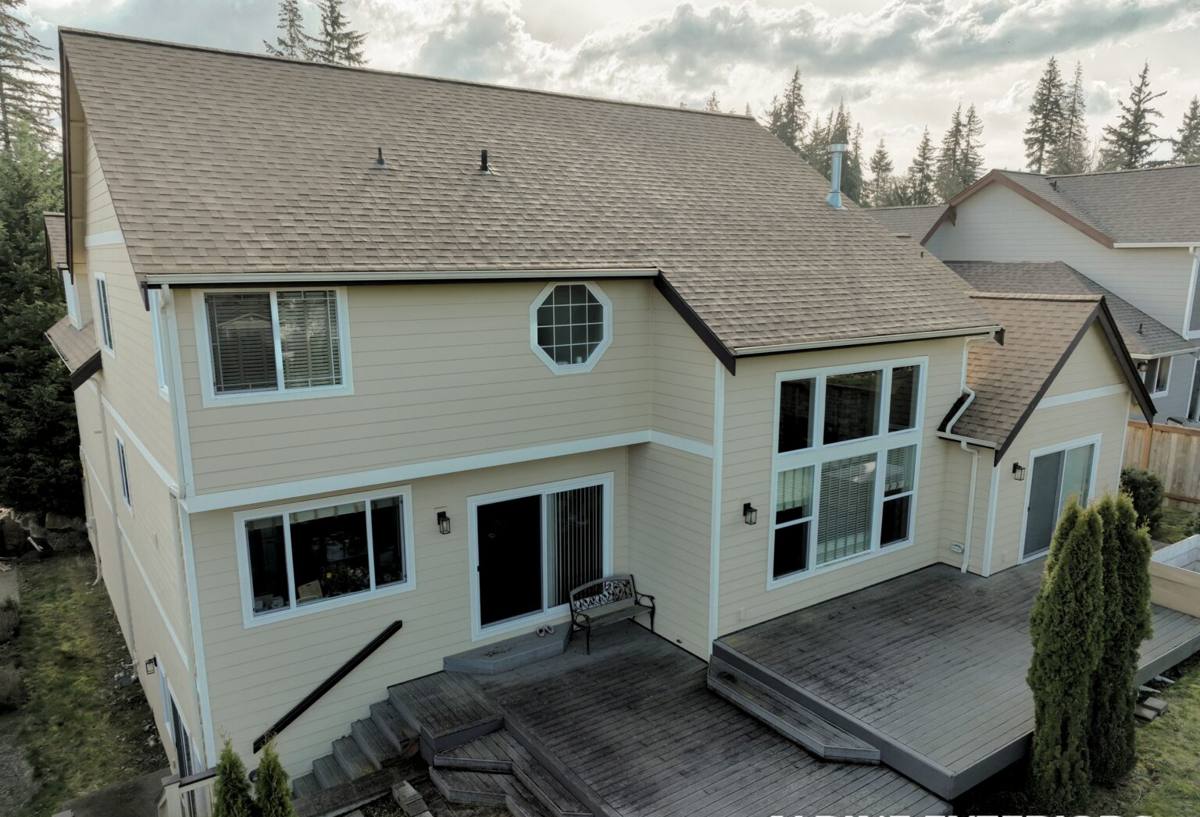
What Coastal Exposure Actually Does to Siding Over Time
Salt Air and Corrosion
Homes near the Gulf coast are exposed to airborne salt that settles on exterior surfaces and accelerates corrosion of fasteners, trim accessories, and any metal components in the wall assembly. Siding materials and hardware that aren't rated for coastal exposure can start showing pitting, staining, or fastener failure years ahead of schedule.
UV Load
Central Florida sun is intense and consistent for most of the year. Paints and coatings that aren't engineered for this level of UV exposure tend to fade unevenly, chalk, or break down at the surface, which is often the first visible sign that a siding product is starting to fail.
Wind-Driven Rain
It's not the rain itself that causes the most damage — it's rain being driven horizontally into laps, joints, and penetrations during wind events. If the water-resistive barrier, flashing, and siding overlaps underneath aren't installed correctly, moisture finds its way behind the cladding, where it can sit against sheathing and framing long after the storm has passed.
Wind Load
Sarasota County sits in a wind zone where fastening schedules and product wind ratings actually matter, not just as a code checkbox but as the difference between siding that stays put in a tropical storm and siding that ends up in the yard.
Why We Only Install James Hardie Fiber Cement Here
We don't install vinyl, LP SmartSide, primed wood, or other fiber cement brands. That's a deliberate standard, not a limitation of what we're capable of installing. In a coastal wind and moisture environment like Nokomis, the material itself needs to hold up to conditions that are harder on siding than almost anywhere else in the country.
James Hardie fiber cement is non-combustible, dimensionally stable in humidity swings, and resistant to moisture-driven warping, cracking, and pest damage in a way that wood-based and vinyl products aren't built to match. Hardie also engineers specific product lines for high-humidity, high-UV climates — its HZ5 formulation is built for exactly the kind of exposure Gulf Coast Florida homes see. The factory-applied ColorPlus finish is baked on under controlled conditions and backed by its own finish warranty, which matters in a climate where field-applied paint takes a beating from UV and salt air.
We're not telling homeowners that other products are worthless — every siding material involves trade-offs. Vinyl is inexpensive and low-maintenance in mild climates but can soften, warp, or crack under sustained heat and isn't rated for the wind speeds this area can see. Untreated or primed wood siding needs consistent repainting and sealing to survive humidity and salt exposure, and falling behind on that maintenance shows up fast here. We made the call to only install one product system so that every job we do carries the same performance standard, and Hardie fiber cement is the one we're willing to put our name behind on this coastline.
What a Correct Siding Installation Actually Involves
The material is only part of the equation. A siding job that's installed wrong will underperform even the best product, and in a wind-and-water climate like Nokomis's, installation quality is where most failures actually originate.
- A continuous, properly lapped water-resistive barrier behind the siding — not just felt paper stapled up quickly
- Correct flashing at every window, door, and penetration, integrated with the barrier so water sheds outward, not inward
- Fastener type, spacing, and embedment matched to the local wind zone and to Hardie's published installation requirements
- Proper clearances between the bottom of the siding and roofing, decking, and grade to avoid wicking moisture
- Correctly sized and caulked joints, with the right sealant for a high-UV, high-salt environment
- Attention to inside and outside corners, which are common failure points if trim isn't fastened and sealed correctly
Skipping any one of these doesn't usually cause a visible problem on day one. It shows up two, five, or ten years later as moisture intrusion, siding that's come loose in a storm, or premature paint failure — at which point it's a much bigger repair than it would have been to do it right the first time.
Our Installation Process
1. On-Site Assessment
We look at the existing wall assembly, siding condition, any signs of past moisture intrusion, and the specific exposure of your home — a Nokomis home closer to open water or in a more exposed location gets treated differently than one further inland.
2. Tear-Off and Substrate Check
Old siding comes off and we inspect the sheathing underneath for rot, soft spots, or prior water damage. This is the point where hidden problems get caught, before they're sealed behind new siding.
3. Water-Resistive Barrier and Flashing
We install a continuous barrier system and flash every penetration, window, and door before a single piece of siding goes up. This step is where most long-term performance is decided.
4. Hardie Siding Installation
Panels or planks go up to Hardie's fastening specifications, adjusted for our local wind zone, with attention to overlaps, joints, and corners.
5. Trim, Caulking, and Final Inspection
Trim is installed, joints are sealed with a sealant suited for this climate, and we walk the完成 job to check fastening, alignment, and sealing before calling it done.
Cost Factors for Siding Installation in Nokomis
Every home is different, so we don't quote pricing without seeing the job, but these are the factors that typically move the number:
| Factor | Why It Matters |
|---|---|
| Home size and wall complexity | More corners, gables, and dormers mean more cutting, flashing, and labor time |
| Substrate condition | Rotted or water-damaged sheathing found during tear-off needs to be repaired before new siding goes on |
| Siding profile chosen | Lap siding, shingle-style panels, and board-and-batten each involve different labor and material costs |
| Trim and accessory scope | Full trim replacement versus reusing sound existing trim changes both cost and long-term appearance |
| Access and site conditions | Landscaping, fencing, and home height can affect setup time and equipment needs |
Signs a Nokomis Home May Need New Siding
- Visible cracking, warping, or buckling in existing siding panels
- Soft spots or discoloration where siding meets trim, windows, or the foundation
- Paint that's peeling, bubbling, or chalking heavily, especially on sun-facing walls
- Rising energy bills that suggest the wall assembly is no longer insulating or sealing effectively
- Siding that came loose, cracked, or shifted after a recent storm or high-wind event
- Visible gaps at joints, corners, or fastener locations where water could be entering
Why Hiring a Crew That Already Works in Nokomis Matters
Siding installation isn't one-size-fits-all across Florida. A crew that regularly works Sarasota County knows the wind zone requirements that apply locally, understands how close-to-coast exposure changes fastening and flashing decisions, and has already worked through the local permitting process rather than learning it on your job. That familiarity translates into fewer surprises, fewer inspection delays, and an installation that's actually built for what Nokomis weather does to a house rather than a generic install pulled from a national playbook.
It also means we're not disappearing after the crew packs up. A siding installation is a long-term investment in the home, and being a known, local crew means we're accountable to the same community we're working in.
Living With New Siding on the Gulf Coast
James Hardie fiber cement is low-maintenance compared to wood, but "low-maintenance" doesn't mean "no maintenance" in a coastal environment. A periodic rinse to clear salt residue and debris, prompt attention to any caulking that starts to separate, and keeping an eye on areas near sprinklers or dense landscaping where moisture lingers will help the installation perform for its full expected lifespan. We're happy to walk any homeowner through what to watch for after the job is done.
If your Nokomis home needs new siding, or you're not sure whether what's on the walls now is still doing its job, we're glad to take a look. Reach out for a free, no-pressure estimate using the form below.