 Sarasota Siding
 Why Bradenton Roofs Wear Out Faster Than the Manual Says
Every asphalt shingle and every roofing tile sold in the United States comes with a manufacturer's expected service life, and almost none of those numbers were calculated with a Bradenton roof in mind. Homes here sit on the Gulf side of the Sarasota-Manatee region, which means the roof deals with a combination of stresses that inland homes never see at the same intensity: tropical storm and hurricane-force wind events, sun exposure strong enough to break down asphalt oils and UV-resistant coatings year-round, wind-driven rain that gets pushed sideways under flashing and starter courses, and a steady drift of salt air off the coast that accelerates corrosion on fasteners, vents, and metal components.
None of those factors are dramatic on their own. The damage is cumulative — a few degrees hotter attic temperature, a slightly faster breakdown of granules, a fastener that corrodes a little sooner than it would forty miles inland. Over ten or fifteen years, that adds up to a roof that's noticeably older than its age. A replacement done for this specific climate, rather than a generic install, is what closes that gap.
Repair, Recover, or Full Replacement?
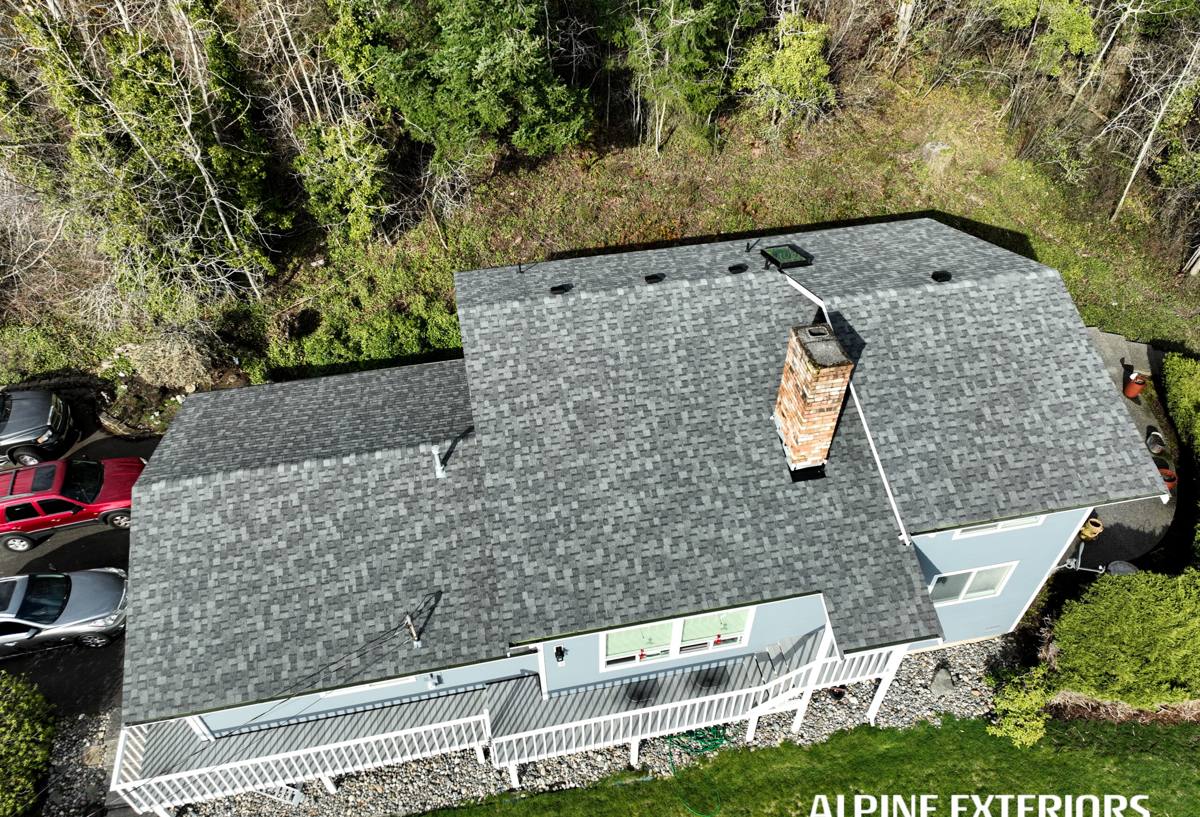
Not every roof problem calls for a full tear-off, but a lot of homeowners either replace too early because of a single leak, or hold off too long and end up with deck damage that turns a straightforward job into a bigger one. A few signs point toward replacement rather than another round of patching:
- Granule loss heavy enough that shingles look patchy or bald in sun-exposed areas
- Shingles that are cupping, curling at the edges, or cracking when walked on
- Leaks showing up in more than one area, or in a new spot each storm season
- Soft or spongy decking felt underfoot during an inspection
- A roof that's already 15-20+ years old and has been through several hurricane seasons
- Visible daylight through the attic, or insulation that's damp or matted
If the damage is limited to one section and the rest of the roof still has useful life left, a targeted repair is the honest answer and we'll tell you that. Replacement makes sense when the roof as a whole is past the point where patching buys meaningful time.
What "Replacement" Should Actually Include
A correct replacement is not just stripping old shingles and nailing down new ones. It's a full system: tear-off to bare decking, an inspection and repair of any compromised plywood or OSB, new underlayment rated for wind-driven rain, proper flashing at every penetration and transition, ventilation that's sized for the attic it's serving, and a final layer that's rated for the wind speeds this area actually sees. Skip any one of those steps and the new roof inherits the same weak point the old one had.
Materials That Make Sense for a Bradenton Home
There's no single "best" roofing material — the right choice depends on your home's structure, your roof pitch, your budget, and how much maintenance you want to think about. Here's how the common options compare for this climate:
| Material | Wind/Storm Performance | Sun & Salt Air Durability | Maintenance |
|---|---|---|---|
| Architectural asphalt shingle | Good, with high-wind-rated products and correct nailing pattern | Moderate — granule loss over time from UV exposure | Low; periodic inspection after storms |
| 3-tab asphalt shingle | Lower wind rating than architectural shingles | Lower UV resistance, shorter service life | Low, but shorter lifespan overall |
| Concrete or clay tile | Very strong when properly fastened; individual tiles can crack from debris impact | Excellent — tile itself doesn't degrade from UV or salt | Occasional tile replacement; underlayment still needs attention |
| Standing seam metal | Excellent wind uplift resistance with proper fastening | Excellent, especially with coastal-rated coatings and fasteners | Low; watch for fastener corrosion in coastal zones over decades |
Whatever material a homeowner chooses, we install to the fastening and underlayment specs that material's rated wind performance actually depends on. A shingle rated for 130 mph winds only performs that way if it's nailed correctly, in the right pattern, over the right underlayment — the rating is a system spec, not just a property of the shingle itself.
Our Roof Replacement Process
We keep the process straightforward and predictable, because a roof replacement is disruptive enough without added surprises:
- On-site inspection and estimate. We walk the roof, check the attic, and note the deck condition, flashing points, and any problem areas before quoting anything.
- Material selection. We go over the options that fit your home, budget, and how long you want to go before thinking about the roof again.
- Permitting. Roof replacements in this area require a building permit; we handle that paperwork rather than leaving it to the homeowner.
- Tear-off. Old roofing comes off down to the decking so we can actually see what's underneath, not guess at it.
- Deck repair. Any soft, rotted, or water-damaged plywood gets replaced before anything new goes down.
- Underlayment and flashing. New underlayment rated for wind-driven rain, and new flashing at every valley, wall, and penetration.
- Roofing installation. Installed to the fastening pattern and spacing the material's wind rating actually requires.
- Ventilation check. Intake and exhaust ventilation confirmed or corrected so the attic can actually breathe.
- Final walkthrough and cleanup. Site cleared of debris and nails, and a final inspection with the homeowner before we call it done.
Permits, Wind Mitigation, and Insurance
Florida's building code sets wind-load requirements for roofing based on location, and homes in the Sarasota-Manatee area fall under standards designed for tropical storm and hurricane exposure. A permitted, code-compliant replacement isn't optional paperwork — it's what makes sure the roof is actually engineered for what it'll face.
A new roof is also one of the few home improvements that can directly affect your homeowners insurance premium. Many insurers offer wind mitigation credits for roofs with certain fastening methods, secondary water barriers, and impact-rated components. After a replacement, it's worth asking your insurance agent for a new wind mitigation inspection — the savings can be meaningful, and they only apply if someone actually documents the upgrade.
Ventilation and Moisture: The Part Homeowners Don't See
An attic that can't breathe properly works against the new roof from day one. Heat and moisture get trapped, shingles bake from underneath as well as above, and in a humid coastal climate that trapped moisture is also a setup for mold and wood rot in the decking and framing. Proper ventilation — balanced intake at the eaves and exhaust at the ridge — is one of the least visible parts of a roof replacement and one of the most important for how long the rest of the job lasts.
What Affects the Cost of a Replacement
Every roof is priced individually, but the same handful of factors drive most of the difference between a straightforward job and a more involved one:
| Factor | Why It Matters |
|---|---|
| Roof size and number of facets | More square footage and more valleys/hips mean more material and labor |
| Roof pitch | Steeper roofs take longer and require more safety setup |
| Deck condition | Rotted or water-damaged plywood found during tear-off adds material and labor |
| Material chosen | Tile and metal cost more upfront than asphalt shingle but differ in lifespan and maintenance |
| Number of penetrations | Chimneys, skylights, and vent stacks each need individual flashing work |
| Existing ventilation | Adding or upgrading intake/exhaust vents is additional but often worthwhile work |
We break these factors down in the actual estimate rather than quoting a flat number sight-unseen — a roof that looks simple from the ground can have deck damage or flashing issues that only show up once tear-off starts, and we'd rather flag that possibility upfront than surprise you mid-job.
Why a Crew That Already Works Bradenton Matters
Roofing crews that work outside their usual area tend to default to generic specs — whatever fastening pattern and underlayment they'd use anywhere. A crew that regularly works Bradenton and the surrounding Sarasota-Manatee area knows what actually holds up here versus what looks fine on install day and fails three storm seasons later. That local pattern recognition shows up in small decisions: how flashing is detailed at a coastal-exposed wall, which fastener spacing actually matters given the wind exposure of your specific lot, where extra sealant or corrosion-resistant hardware is worth the marginal cost.
It also matters for permitting and inspection — familiarity with the local building department's process means fewer delays and fewer surprises on inspection day.
After the Install: A Short Maintenance Checklist
A new roof still benefits from a little attention, especially in a climate this demanding:
- Walk the roofline visually after any major storm and look for lifted or missing shingles/tiles
- Keep gutters and downspouts clear so water isn't backing up under the roof edge
- Trim back overhanging branches that drop debris or scrape the roof surface
- Check attic ventilation isn't blocked by insulation or storage
- Have a professional inspection every couple of years, not just when there's a visible leak
If you're weighing a repair versus a full replacement, or just want a straight answer on what your roof actually needs, we're happy to take a look. The estimate is free, there's no pressure either way, and you'll get a clear breakdown of what we find and what it would take to fix it.