 Sarasota Siding
 Building Decks for Southside Village's Older, Walkable Streets
Southside Village sits close enough to downtown Sarasota and the bay that its homes catch the full range of what our coastal climate can throw at an outdoor structure — salt-laden air, sudden downpours, and long stretches of direct summer sun. Many of the houses in this part of Sarasota are older bungalow and cottage-style homes on smaller, tree-shaded lots, which means a deck here often has to do double duty: it needs to hold up structurally to Gulf Coast weather while fitting the scale and character of a walkable, established neighborhood rather than looking like it was dropped in from a suburban subdivision.
A deck built for Southside Village isn't the same project as a deck built inland or in a brand-new development. Lot sizes are tighter, tree canopy is heavier, and a lot of these homes have their original framing and drainage patterns, which changes how a new deck ties into the house. We treat each of those as design inputs, not obstacles.
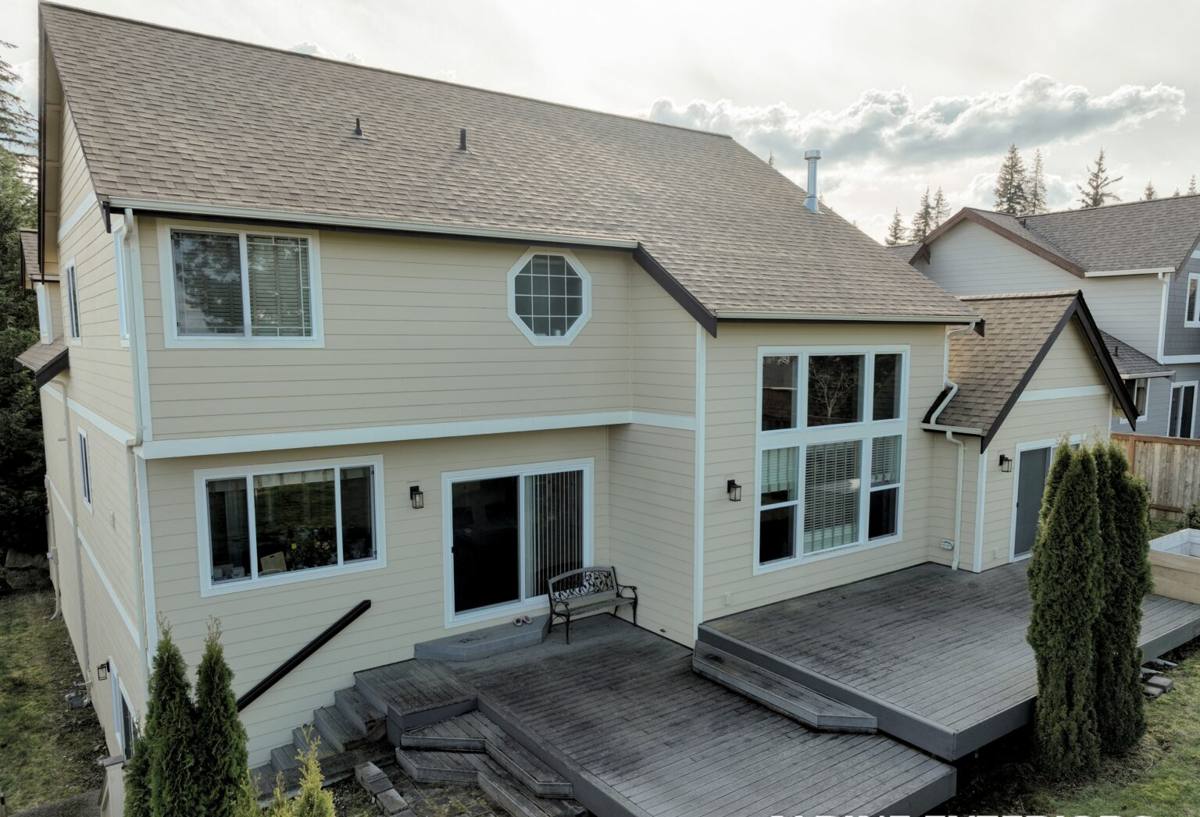
What Sarasota's Climate Actually Does to a Deck
It's worth being specific about the mechanisms, because they drive every material and construction decision that follows.
Hurricane-Force Wind Loads
Decks attached to the house — especially elevated ones — act like sails and levers during high wind events. The ledger connection (where the deck meets the house), the post-to-footing connections, and the railing system are the parts most likely to fail first if they weren't engineered for uplift and lateral load, not just the weight of people standing on the deck.
Year-Round UV Exposure
Sarasota doesn't get a real winter break from sun intensity. UV breaks down the lignin in wood fibers, causing graying and surface checking, and it degrades the UV inhibitors in composite decking over years of exposure, which is why cheaper composite lines fade and chalk faster here than the same product would in a northern climate.
Wind-Driven Rain and Standing Moisture
Rain in Sarasota rarely falls straight down. Wind-driven rain gets up under railings, into fastener holes, and behind fascia boards — areas that stay wet long after a storm passes if there isn't a real drainage gap or ventilation path. That trapped moisture is the single biggest cause of rot in framing lumber and delamination in lower-grade composite boards.
Salt Air Corrosion
Even a few miles inland from Sarasota Bay, salt aerosol in the air accelerates corrosion on anything that isn't rated for coastal exposure — standard interior fasteners, uncoated hardware, and mild-steel brackets will rust and stain the decking around them well before the wood itself fails.
Decking Material Comparison for Southside Village Conditions
There's no single "best" decking material — the right choice depends on budget, how much upkeep the homeowner wants to do, and how the deck will be used. Here's how the common options actually perform under Sarasota conditions:
| Material | UV / Fade Behavior | Moisture Behavior | Upkeep | Typical Lifespan Here |
|---|---|---|---|---|
| Pressure-treated pine | Grays and checks without regular sealing | Prone to swelling/cupping if not sealed and ventilated | Annual cleaning, re-seal every 1-2 years | 10-15 years with maintenance |
| Cedar/tropical hardwood | Fades to silver-gray unless oiled regularly | Naturally rot-resistant but still needs sealed end cuts | Oiling 1-2x per year to hold color | 15-25 years with maintenance |
| Mid-grade composite (capped) | Slow fade, better color retention than wood | Resists rot but needs real airflow underneath | Occasional washing, no sealing/staining | 20-25 years |
| Premium capped composite/PVC | Best fade and stain resistance | Fully moisture-resistant when installed correctly | Washing only | 25+ years |
We'll walk through this table with you in person against your actual budget — the honest trade-off is almost always upfront cost versus long-term maintenance labor, not one product being "good" and another "bad."
What a Correct Deck Build Involves Here
Footings and Framing
Footing depth and post spacing need to account for both soil conditions on your specific lot and wind uplift, not just vertical load. On older Southside Village lots we often find prior additions, irrigation lines, or root systems from mature trees close to the build zone, so we probe and confirm footing locations before digging rather than assuming a clean slate.
The Ledger Connection
This is the single most safety-critical joint on an attached deck. It has to be flashed correctly to keep water out of the house rim joist, and bolted (not just nailed) with fasteners sized for the actual load path. A poorly flashed ledger is one of the most common causes of hidden rot we find when we're asked to repair or rebuild an existing deck.
Fasteners and Hardware
Everything below the decking surface — joist hangers, structural screws, post bases — should be stainless steel or coastal-rated (hot-dip galvanized at minimum) given the salt air. Using standard hardware here is a false economy; the visible rust streaking and hardware failure usually shows up within a few years, not decades.
Railings and Guards
Florida Building Code sets minimum height and baluster spacing for guardrails, and those requirements apply whether the deck is brand new or being rebuilt. We build to code as a floor, not a ceiling — especially on elevated decks where wind load on the railing itself matters.
Ventilation Beneath the Deck
Low-clearance decks trap humidity underneath if there's no airflow path, which accelerates both wood rot and composite substrate breakdown. We plan skirting and clearance to allow air movement, not just to hide the framing.
Permitting in Sarasota County
Most new deck construction and many deck rebuilds require a permit through Sarasota County or the City of Sarasota depending on where the property sits, and inspections typically cover footings, framing, and final guardrail compliance. We handle the permit submission and coordinate inspections as part of the build — it's not an add-on step, it's part of doing the job correctly. Skipping permitting on a deck rebuild can also create problems later at resale, when an unpermitted structure shows up in a home inspection.
Our Process, Start to Finish
- On-site consultation — we walk the lot, look at drainage, tree cover, and how the deck will connect to the house, and talk through how you actually plan to use the space.
- Design and material selection — we lay out layout options and go through material trade-offs against your budget and maintenance preferences.
- Written proposal — clear scope, materials, and pricing before any work starts, no vague allowances.
- Permitting — we prepare and submit the permit package and schedule required inspections.
- Demolition of existing structure (if applicable) — old decking, damaged framing, and hardware removed and hauled off.
- Framing and structural inspection — footings, posts, joists, and the ledger connection built and inspected before decking goes down.
- Decking, railing, and finish work — surface material installed, railings set, fasteners and hardware finished out.
- Final walkthrough — we go over care and maintenance specific to whatever material you chose.
Maintaining a Deck in a Coastal Climate
Whatever material you choose, a little seasonal attention goes a long way toward hitting the lifespans in the table above. A basic checklist we give Southside Village homeowners:
- Rinse salt residue and pollen off the surface every few weeks, more often in dry, windy stretches
- Check railing posts and stair stringers for looseness twice a year, especially after storm season
- Keep gutters and downspouts near the deck clear so runoff isn't dumping onto framing or footings
- Re-seal or re-oil wood decking on the schedule for your species — don't wait until it's visibly gray
- Trim back overhanging branches so leaf litter isn't holding moisture against the boards
- Inspect underneath the deck once a year for standing water, pest activity, or soft framing
- Address any loose or rust-stained hardware immediately rather than waiting for the next maintenance cycle
Why Local Experience in Southside Village Matters
A crew that's already worked on this side of Sarasota knows the practical realities that don't show up in a generic spec sheet: how tight some of these lots run, where older homes tend to have drainage quirks, what Sarasota County inspectors look for at framing and final inspection, and how to fit a deck's scale to a smaller historic-feeling lot without it overwhelming the yard. That local familiarity shortens the guesswork on permitting, reduces surprises once we open up an old deck or start digging footings, and means the design conversation starts from what actually works in this neighborhood rather than a one-size-fits-all template.
It also matters for accountability — a contractor who works this area regularly has a reputation here to protect, and is easy to reach if a question comes up after the build is done.
Getting Started
If you're weighing a new deck or a rebuild of an aging one in Southside Village, we're glad to come take a look, talk through material options against your budget, and give you a straightforward, no-pressure estimate. Use the form below to get started.