 Sarasota Siding
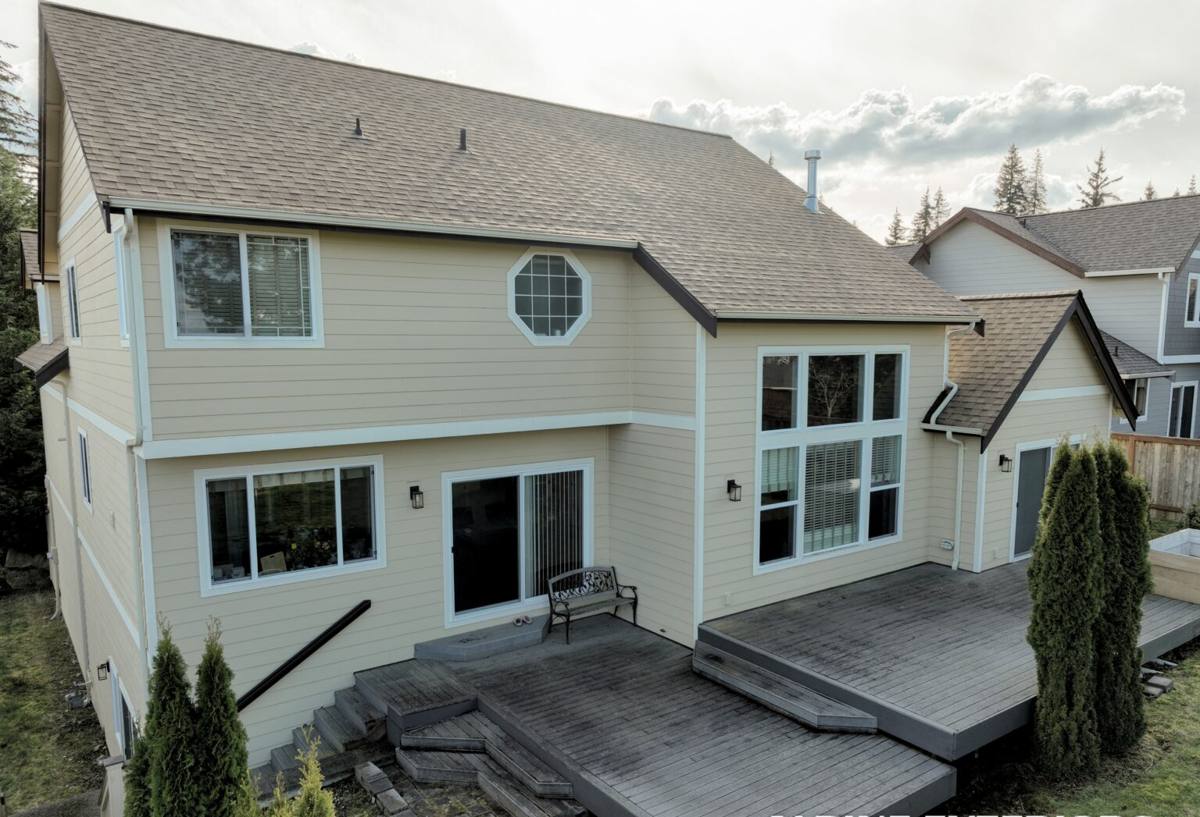
 Building a Deck for a Home in The Meadows
The Meadows is one of Sarasota's older established communities, known for mature oak canopy, golf course frontage, and lots that sit further from the immediate coastline than many newer Sarasota neighborhoods. That distance from open water doesn't mean a deck out here gets an easier life — it just means the wear shows up differently. Instead of direct salt spray off the Gulf, a Meadows deck deals with heavy shade, trapped humidity under a tree canopy, and the same Sarasota County wind and UV exposure as anywhere else in the region. Those are different problems than a beachfront deck faces, but they're just as capable of shortening a deck's life if the build doesn't account for them.
This page covers what a correct deck build looks like specifically for a home in The Meadows — what the site conditions actually demand, how we handle the build and the permitting, and why a crew that already works this community builds a deck differently than one guessing at local conditions for the first time.
What The Meadows' Conditions Actually Do to a Deck
Shade and Trapped Humidity
Mature tree canopy is one of the things that makes The Meadows distinctive, and it changes how a deck weathers. Shaded, tree-lined lots hold moisture longer after rain than an open, sun-exposed yard — leaves and pollen collect in board gaps, airflow underneath the deck is often more restricted, and damp conditions linger. That's a favorable environment for mold, algae, and, on the wrong material, rot. A deck built for a sunny open lot isn't automatically built for a shaded one; drainage and ventilation matter more here, not less.
UV Exposure Where the Canopy Breaks
Even with tree cover, Florida's UV load is intense nearly year-round, and most decks still catch direct sun for at least part of the day wherever the canopy opens up — over a pool area, along a south-facing wall, or on a deck built past the drip line of the trees. That partial, uneven sun exposure can actually be harder on some materials than constant full sun, because it drives uneven fading and expansion across the same deck surface. Board and finish choice still needs to account for UV, even on a shaded lot.
Wind-Driven Rain and Hurricane Loads
The Meadows sits inland relative to Sarasota's beaches, but it's still fully within the wind-load requirements that apply across the region. Hurricane-force wind doesn't stop at the coastline, and a deck's framing, ledger attachment, and railing all need to be engineered and fastened to the same standard as a waterfront property, not a lighter one. Mature trees add their own consideration too — wind-thrown branches and debris are a real load case for a deck built near established tree canopy.
Salt Air, at a Lower but Real Level
Salt-laden air does travel inland across the Sarasota area, just at a lower concentration than right on the water. Metal fasteners and hardware still corrode faster here than they would in a genuinely dry inland climate — it just happens on a longer timeline than a beachfront deck. Building with standard-grade hardware because a lot is "not waterfront" is a common shortcut that costs homeowners a premature repair a few years down the line.
Choosing the Right Decking Material for a Shaded Lot
Material choice on a Meadows lot has to account for shade and moisture retention as much as sun and heat. Some products that perform well in open, sun-baked yards behave differently under a tree canopy.
| Material | How It Handles Shade & Humidity | Maintenance | Best Fit |
|---|---|---|---|
| Capped composite | Strong — cap layer resists moisture and mold growth better than uncapped or wood surfaces | Periodic washing; no sealing or staining | Shaded or sun-exposed lots alike; the most consistent all-around choice |
| Cellular PVC | Excellent — absorbs no moisture, resists mold on shaded, damp lots | Periodic washing; no sealing or staining | Heavily shaded, low-airflow areas near dense canopy |
| Uncapped composite | Weaker — more prone to mold and staining where moisture lingers | Regular cleaning to manage mold and mildew | Generally not our recommendation for shaded Meadows lots |
| Pressure-treated wood | Poor in shade — retains moisture, more prone to rot and mildew under canopy | Regular sealing or staining, more frequent under shade | Budget builds where upkeep is expected and planned for |
| Tropical hardwood | Naturally dense and moisture-resistant, but still needs finish upkeep against mildew in shade | Periodic oiling to prevent graying and surface mildew | Homeowners who want a natural wood look and will keep up the finish |
None of these are automatically wrong for The Meadows — the point is matching the product to the specific lot. A deck built under heavy oak canopy has different needs than one built beside an open pool area, even on the same street.
What a Correct Deck Build Involves Here
The visible decking gets the attention, but the substructure and fastening details are what actually determine whether a deck holds up on a shaded, humid lot. A build done right for a Meadows property includes:
- Framing material rated for moisture exposure — pressure-treated lumber suited to the site's actual drainage and shade conditions
- Stainless steel or coated corrosion-resistant fasteners throughout, sized for the region's wind and humidity, not budget-grade hardware
- Joist and beam spacing sized to span ratings for the specific decking product, not a generic default
- Ledger board flashing and attachment done correctly where the deck ties into the house — a common failure point in humid climates when skipped or rushed
- Ventilation and gapping that accounts for restricted airflow under tree canopy, so moisture doesn't sit against the framing
- Railing and post attachment sized for Florida Building Code wind-load requirements as enforced by Sarasota County
- Grading and drainage around the deck footprint so water sheds away rather than pooling under a shaded structure
Skipping any one of these usually doesn't show up on day one. It shows up two, five, or ten years later as soft framing, a loose railing post, or fastener corrosion staining the boards around it — problems that cost far more to fix than they would have to build correctly the first time.
Permitting and Sarasota County Requirements
Deck construction in The Meadows falls under Sarasota County's building permit and inspection process, which applies Florida Building Code wind-load and structural standards regardless of how far a lot sits from the coastline. Depending on the deck's size, height, and attachment to the house, that can mean engineered plans for the framing and railing, inspections at the framing and final stages, and coordination with any HOA architectural review that applies in the community. We handle that permitting process as part of the job — pulling the right permits, scheduling inspections, and making sure the design meets code before the first post goes in the ground, rather than leaving that paperwork for the homeowner to sort out.
How Our Process Works
We start with a site visit to look at what's actually there — existing tree canopy and how much shade the deck area gets through the day, drainage and grade, sun exposure where the canopy opens up, and the condition of any existing structure if this is a replacement. From there we walk through material options that fit the site, the budget, and how the space will actually be used, whether that's a quiet spot off a shaded patio or a deck built around a pool.
Once the design and permitting are settled, the build itself follows the sequence above: substructure first, with framing and fasteners chosen for the site's real exposure, then the decking surface, railing, and any trim work. We finish with a walkthrough covering what the specific material you chose actually needs going forward — for most composite and PVC products, that's very little, but it's rarely nothing.
What Your Deck Still Needs From You
Even a well-built, low-maintenance deck benefits from a little routine attention, especially under tree canopy. A short list that goes a long way:
- Clear leaves, pollen, and debris out of board gaps regularly so water and air can move through as designed
- Rinse the surface periodically to prevent mold and algae from taking hold in shaded, damp areas
- Trim back branches or landscaping that hold moisture against the deck edge or block airflow underneath
- Check railing posts and hardware annually, especially after storm season, for early signs of corrosion or loosening
- Address any soft framing or standing water underneath the deck right away — that's structural, not cosmetic, and it doesn't improve with time
Why It Matters That We Already Work in The Meadows
A crew that mostly builds decks on open, sun-exposed lots can still do competent work, but a shaded, mature-canopy community like The Meadows has variables that don't come up as often elsewhere — drainage and ventilation planning for restricted airflow, material choices that hold up under humidity rather than direct sun, and an awareness of the tree root systems and canopy that often factor into where and how a deck gets sited. Working in this community regularly means we're not learning those lessons on your project. We know what the substructure needs to survive under Sarasota's humidity and canopy cover, which materials actually resist mold in shade rather than just in a manufacturer's brochure, and how Sarasota County's permitting process works for a property like yours.
That familiarity also means a straightforward conversation about what your specific lot needs — full sun, deep shade, or somewhere in between — rather than a one-size-fits-all pitch.
Get a Straight Answer About Your Deck
Whether you're replacing an aging deck, building new under the oak canopy, or just want an honest read on what your Meadows property needs, we're happy to walk the site with you and lay out the options plainly. Reach out below for a free, no-pressure estimate. ```