 Sarasota Siding
 Building a Deck That Actually Belongs in Downtown Sarasota
Downtown Sarasota is a mix of older bungalows, mid-century homes, and newer infill construction, most of it within a few miles of the water. That proximity is exactly why a deck built here can't be treated like a deck built inland. Between the salt air rolling off Sarasota Bay, the intense year-round Florida sun, wind-driven rain, and the real possibility of hurricane-force winds, a deck in this part of Sarasota County is under constant low-grade attack. A custom deck done right for this neighborhood isn't just about layout and looks — it's about choosing materials and construction methods that were actually selected for this environment, not borrowed from a build in a drier, cooler part of the country.
We build decks specifically for Sarasota conditions, and Downtown Sarasota's older housing stock, tight lots, and mix of architectural styles mean every project gets designed around the actual house and yard in front of us, not a one-size template.
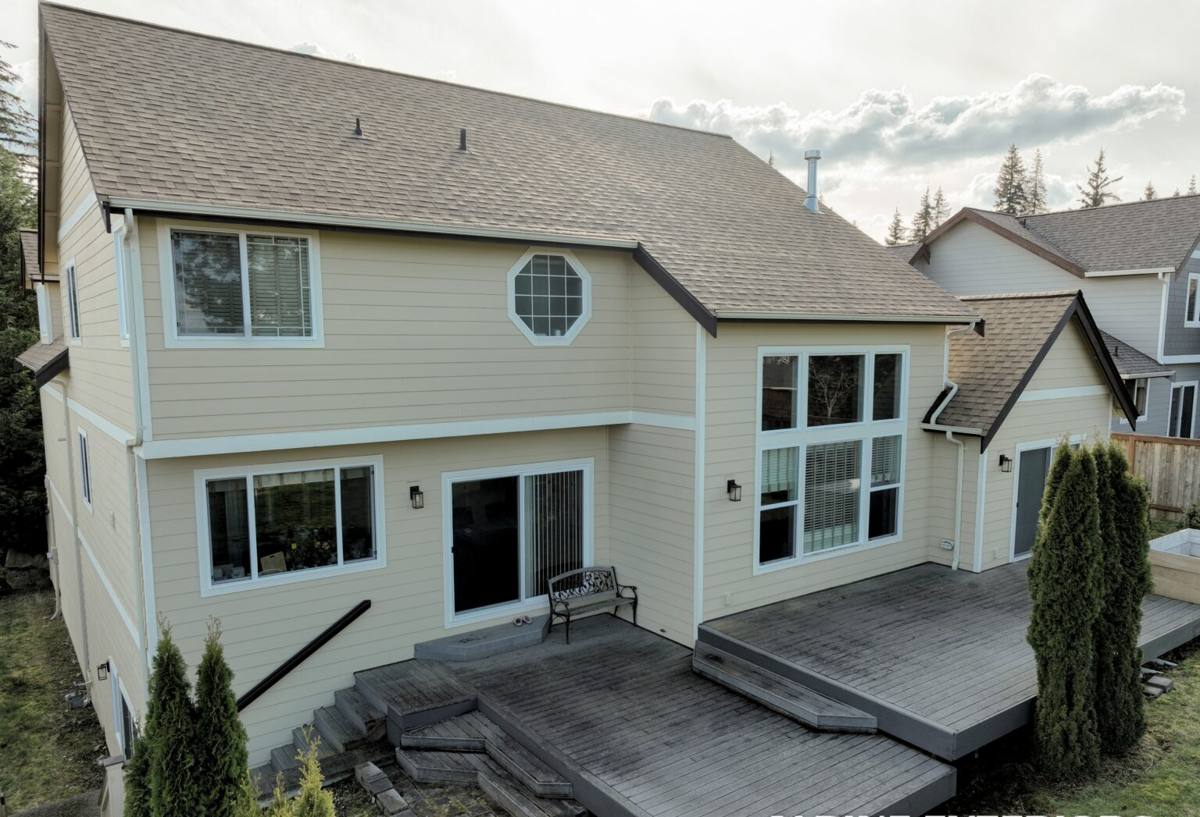
What Downtown Sarasota's Climate Does to a Deck
If you've lived here a while, you already know the basics — it's hot, it's humid, and storms roll through. But it's worth breaking down exactly how each of those factors attacks a deck over time, because it changes what "good construction" actually means.
Intense, Year-Round UV
Sarasota sees strong sun exposure nearly every month of the year, not just in summer. UV breaks down the surface fibers of wood, fades stains and finishes, and degrades the plastic components in some composite decking if the product wasn't formulated for high-UV climates. A deck that looks great the day it's finished can look tired within a couple of seasons if the materials and finish weren't chosen with this in mind.
Salt Air
Downtown Sarasota's closeness to the bay means airborne salt is a factor even on properties that aren't waterfront. Salt accelerates corrosion in fasteners, hardware, and metal railing components. Standard hardware that would hold up fine in a landlocked town can start rusting and staining a deck within a few years here.
Wind-Driven Rain
Florida storms rarely fall straight down. Wind-driven rain gets pushed sideways and upward into ledger connections, under railing posts, and into any gap in flashing or fastening. Decks that aren't detailed for this end up with hidden rot at the house connection long before anything looks wrong on the surface.
Hurricane-Force Wind Loads
Sarasota County sits in a wind zone where decks, especially elevated ones and those attached to the home, need to be engineered to resist uplift and lateral loads, not just support foot traffic. This affects everything from post spacing to the hardware connecting the deck to the house.
Choosing the Right Decking Material for This Environment
There's no single "best" decking material for every home — it depends on budget, maintenance tolerance, and how close the property sits to the water. Here's an honest comparison of what we most commonly work with for Downtown Sarasota homes.
| Material | How It Handles Salt Air & UV | Maintenance | General Cost Position |
|---|---|---|---|
| Pressure-Treated Wood | Needs sealing on a regular schedule; UV and moisture will gray and check the surface without upkeep | Highest — periodic cleaning, sealing, and fastener checks | Lowest upfront cost |
| Tropical Hardwoods (e.g., ipe-type species) | Naturally dense and rot-resistant, but still needs oiling to prevent graying and surface checking in this sun | Moderate to high — oiling to maintain color and surface | Mid to high |
| Capped Composite | Good UV and moisture resistance when the product is rated for high-sun climates; capped boards resist salt staining better than wood | Low — occasional washing | Mid to high |
| PVC Decking | Fully synthetic, handles moisture and salt exposure well, doesn't rot or splinter | Lowest — mostly washing | Highest |
We'll walk you through these trade-offs honestly rather than pushing one product. A lower-maintenance material often costs more upfront but saves money and hassle over the years, especially this close to the bay — but for some homeowners, the lower price and classic look of treated wood is the right call as long as they're willing to keep up with sealing.
Fasteners and Hardware Matter as Much as the Decking
We use stainless steel or coated fasteners rated for coastal exposure on every project, regardless of which decking material is chosen. Standard galvanized hardware can start showing rust streaks within a couple of years in a salt-air environment like Downtown Sarasota, and once fasteners start corroding, the structural connections they hold are compromised long before it's visible from the surface.
Permitting and Wind Codes in Sarasota
Decks in the City of Sarasota and unincorporated Sarasota County generally require a building permit, and elevated or attached decks need to meet Florida Building Code wind load requirements for our wind zone. This isn't paperwork for its own sake — the permit and inspection process is what confirms the footings, post connections, and ledger attachment can actually stand up to the winds this area sees.
Some Downtown Sarasota properties, particularly those closer to the water or in lower-elevation areas, may also have flood zone considerations that affect how a deck is framed and how close to grade it can sit. We handle the permitting conversation as part of the process so homeowners aren't left guessing about what's required.
Framing, Fasteners, and Footings Done Right
A deck's long-term performance is decided below the decking boards, not above them. For homes in this area, that means:
- Footings sized and set to the depth required for local soil conditions and wind uplift, not just poured to a minimum guess
- Ledger board attachment properly flashed to keep wind-driven rain from tracking into the house rim joist
- Joist hangers and structural connectors rated for coastal/corrosive environments
- Post-to-beam and beam-to-footing connections engineered for lateral and uplift wind forces, not just vertical load
- Proper spacing and blocking so the frame doesn't rely on the decking surface for rigidity
None of this is visible once the deck is finished, which is exactly why it matters who builds it. A deck can look identical on the surface and perform completely differently underneath depending on whether these details were done correctly.
Our Process for a Downtown Sarasota Deck Project
1. On-Site Assessment
We look at the house's existing structure, the yard's grade and drainage, sun and wind exposure, and how close the property is to the water, since that affects material recommendations.
2. Design and Material Selection
We talk through layout, railing style, and decking material honestly — including maintenance expectations and realistic cost ranges — so there are no surprises later.
3. Permitting
We prepare and submit what's needed for City of Sarasota or Sarasota County permitting, including wind load engineering where required.
4. Construction
Footings, framing, and structural connections come first and get inspected before decking and railing go on, so nothing is covered up before it's verified.
5. Final Walkthrough
We go over the finished deck together, including care and maintenance guidance specific to the material chosen and this environment.
Maintaining a Deck in a Salt-Air, High-UV Environment
Whatever material you choose, a little regular attention goes a long way in this climate. A basic seasonal checklist for Downtown Sarasota homeowners:
- Rinse off salt residue and debris every few weeks, more often for waterfront or near-waterfront properties
- Check fasteners and hardware for early rust staining at least twice a year
- Reseal wood decking on the schedule recommended for the specific product, typically annually in this sun
- Inspect ledger board and post connections after major storms for any signs of movement or water intrusion
- Keep gutters and downspouts clear so runoff isn't dumping extra water onto or near the deck structure
Why Hiring a Crew That Already Works in Downtown Sarasota Matters
A contractor unfamiliar with this specific stretch of coastal Sarasota County can make reasonable-sounding decisions that still turn out wrong for this environment — the wrong fastener grade, a finish not rated for this UV load, or a footing depth based on inland assumptions. Working with a crew that already builds regularly in this neighborhood means the material choices, hardware, and structural details are already dialed in for what Downtown Sarasota's climate does to a deck over time, not figured out through trial and error on your project.
If you're considering a custom deck for your Downtown Sarasota home, we're happy to take a look at your property and talk through honest options for your budget and goals. Fill out the form below for a free, no-pressure estimate.