 Sarasota Siding
 Downtown Sarasota Homes Ask More of Their Windows
Walk a few blocks in downtown Sarasota and you'll pass a mix of older bungalows, mid-century houses, and newer condo and townhome buildings, many of them within a short walk of the bay. That mix means there's no single "standard window" that works for every home in this part of the city. An older house may have openings that were framed decades before modern window sizing existed. A condo unit may be bound by association rules about exterior appearance. A newer build may already meet current code but have builder-grade windows that were never meant to be a long-term solution in a coastal downtown environment.
Custom windows exist for exactly this situation — openings, budgets, and architectural details that don't fit an off-the-shelf catalog size. Getting it right in downtown Sarasota means understanding both the building and the climate it sits in, since this part of Sarasota County deals with some of the harshest window conditions in the state: full sun with little tree cover in many spots, salt-laden air off the bay and Gulf, wind-driven rain that finds its way into any weak seam, and the real possibility of hurricane-force wind loads during storm season.
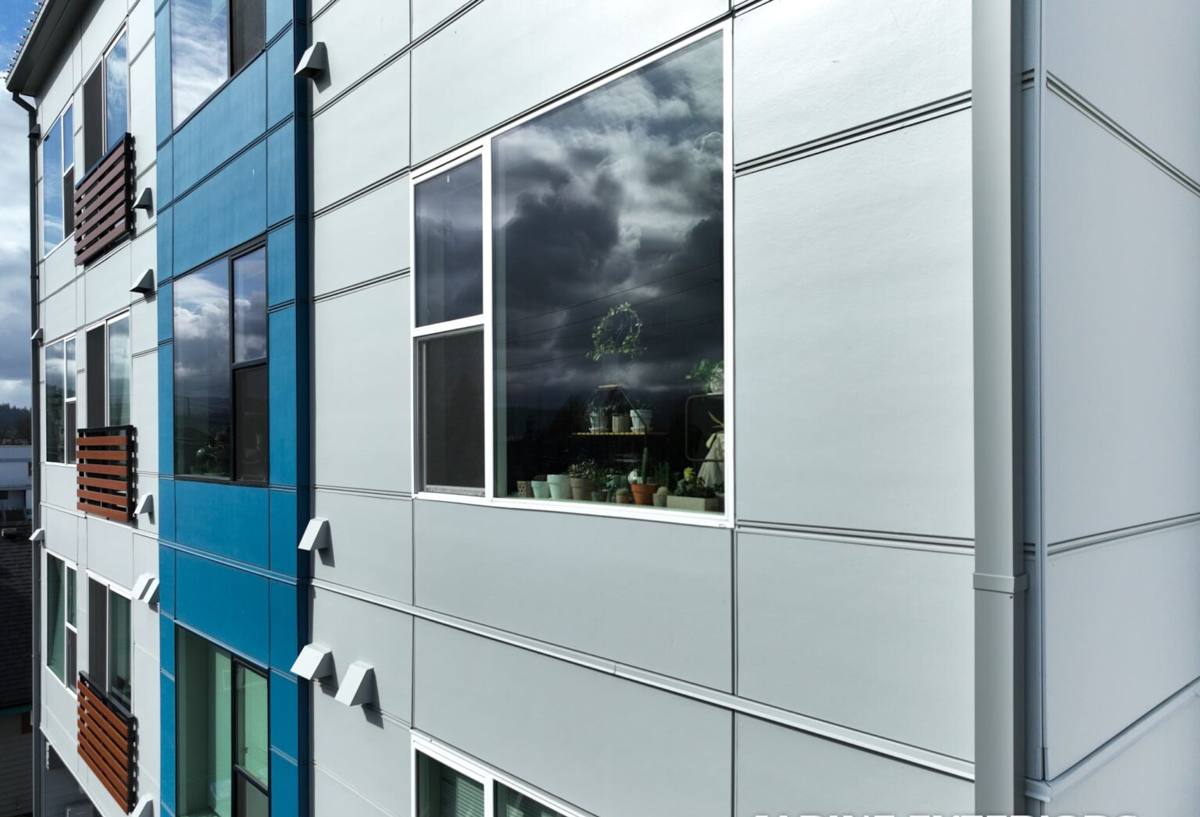
What Sarasota's Climate Actually Does to Windows Over Time
None of this damage happens overnight, but it's steady and it's specific to this region. Knowing the mechanism helps explain why a "just get something that fits" approach tends to fail here faster than it would inland.
Year-Round UV Exposure
Sarasota gets strong, direct sun most of the year. UV breaks down vinyl components, dries out old glazing putty and weatherstripping, and fades or chalks frame finishes. A window that looked fine five years ago can have brittle seals and a frame that no longer holds its shape under wind pressure.
Salt Air
Being close to Sarasota Bay and the Gulf means airborne salt settles on everything, including window hardware. Salt accelerates corrosion on aluminum frames, steel fasteners, hinges, and latch mechanisms. Corroded hardware is one of the most common reasons a window that "looks okay" won't actually lock or seal properly anymore.
Wind-Driven Rain
Storms here rarely bring rain straight down — it comes in sideways, driven by wind, and it will find any gap in flashing, sealant, or a frame that's shifted slightly out of square. Once water gets behind a frame, it can rot wood framing or sheathing long before anyone notices a problem from inside.
Hurricane-Force Wind Loads
Sarasota County sits in Florida's wind-borne debris region, which means openings need to hold up against both sustained wind pressure and impact from flying debris during a storm. A window that isn't rated or installed for these loads is a weak point in the whole building envelope, not just a comfort issue.
What "Custom" Actually Means on a Job Like This
Custom doesn't mean expensive for its own sake — it means the window is built and installed to match the actual opening and the actual performance requirements, instead of forcing a standard size to fit and papering over the gaps. In downtown Sarasota, that typically covers a few recurring situations:
- Older homes with openings that predate modern sizing standards, where a stock window would leave gaps that have to be built out or shimmed excessively
- Non-rectangular or specialty shapes — arches, transoms, or unusual proportions — that need to be fabricated to the exact opening
- Matching the visual character of an older home (trim profile, grid pattern, sightlines) while upgrading to modern impact-rated glass underneath
- Condo and townhome units where the replacement has to meet an association's approved appearance standards while still meeting code
- Buildings on masonry or concrete block construction versus older wood-framed construction, which call for different anchoring and flashing details
A correct custom job starts with precise field measurements of the actual opening, not a generic size off a price list, and a plan for how the new unit will be anchored, flashed, and sealed into that specific wall assembly.
Florida Building Code and What It Means Downtown
Sarasota falls within Florida's wind-borne debris region under the Florida Building Code. In practice, that means new and replacement exterior openings generally need to either be impact-rated or otherwise protected to resist wind pressure and debris impact, using products that carry a valid Florida Product Approval (or in some cases a Miami-Dade NOA) for the specific wind zone and mounting condition of the building. This isn't a suggestion — it's inspected, and it affects what a contractor can legally install and sign off on.
Permitting
Window replacement in the City of Sarasota and Sarasota County generally requires a permit, with the work inspected against the approved product and installation method. Skipping the permit step might save a little time up front, but it creates real problems later — during a sale, an insurance claim, or a storm damage assessment, an unpermitted window replacement can become the homeowner's problem to sort out, not the installer's.
Condo and HOA Approval
Downtown Sarasota has a meaningful number of condo and townhome buildings, and many of those associations have their own rules on frame color, glass tint, and exterior appearance, on top of whatever the county or city requires. A contractor who's worked in these buildings before knows to check for an approval process before ordering anything, so the homeowner isn't stuck with product that meets code but gets rejected by the board.
How Our Process Works
The steps are the same whether it's a single window or a whole house, but the amount of attention paid to each one is what separates a custom job from a rushed one.
- On-site assessment. We look at the existing openings, framing condition, and any signs of past water intrusion before talking product.
- Precise measurement. Every opening is measured individually — older homes especially rarely have two openings that are exactly the same.
- Product and glass selection. We go over frame material, glass package, and appearance options based on the home's construction and, if applicable, association requirements.
- Code and permit review. We confirm the product's approval rating matches the building's wind zone and pull the required permit before work starts.
- Removal and installation. Old units come out, framing is checked and repaired if needed, and the new window is anchored, flashed, and sealed to the manufacturer's approved method.
- Inspection and walkthrough. We pass the required inspection and go through operation, locking, and care with the homeowner before we call it done.
Choosing a Frame Material for This Climate
There's no single "best" material for every home — it depends on the building's construction, budget, and how much upkeep the homeowner wants to do. Here's how the common options actually behave in a salt-air, high-UV, storm-prone environment like downtown Sarasota:
| Frame Material | Coastal Durability | Maintenance | Typical Fit |
|---|---|---|---|
| Vinyl (impact-rated) | Good; won't corrode, but lower-grade vinyl can degrade under constant UV | Low | Most homes; budget-conscious replacements |
| Aluminum | Strong structurally, but standard aluminum is prone to salt-air corrosion without proper coatings | Moderate | Larger openings, commercial-style storefronts |
| Fiberglass/composite | Very good; resists UV and salt corrosion well | Low | Homeowners wanting longevity with less upkeep |
| Wood or wood-clad | Weakest in this climate without diligent upkeep; moisture and salt air accelerate rot | High | Historic character where appearance is the priority and upkeep is accepted |
We generally steer homeowners away from bare wood frames on exposed downtown Sarasota openings — not because wood is a bad material everywhere, but because the maintenance burden in this salt air and humidity is high, and a missed maintenance cycle can mean rot that's expensive to fix. When the look of a wood frame matters, a wood-look composite or clad option gets close to the appearance with far less upkeep.
What Drives the Cost of a Custom Window Project
Every project is different, so we won't quote a number without seeing the openings, but these are the factors that actually move the price up or down:
| Factor | Why It Matters |
|---|---|
| Opening size and shape | Non-standard or oversized openings require fully custom fabrication rather than stock sizing |
| Glass package | Impact-rated laminated glass costs more than standard glass but removes the need for separate storm protection |
| Frame material | Vinyl, aluminum, fiberglass, and wood carry different material and fabrication costs |
| Number of openings | Whole-house replacements typically bring a better per-unit cost than one-off jobs |
| Access and story height | Upper-floor condo units or hard-to-access openings add labor and equipment time |
| Permit and HOA requirements | Additional approval steps or association-specific product requirements can affect timeline and product options |
Signs Your Current Windows Are Overdue for Replacement
Not every window needs to be replaced immediately, but in a climate like this, certain signs mean it's time to stop deferring the decision:
- Frames feel soft, chalky, or discolored from years of UV exposure
- Hardware — locks, cranks, hinges — is stiff, corroded, or won't fully engage
- Visible gaps, drafts, or daylight around the frame when closed
- Water staining on interior sills or walls after wind-driven rain
- Condensation forming between panes on double-glazed units
- Windows that predate current impact standards and aren't protected by rated shutters or panels
- Difficulty opening, closing, or locking that's gotten worse over time
Why It Matters to Hire a Crew That Already Works Downtown
Downtown Sarasota has its own set of practical wrinkles that a crew unfamiliar with the area can trip over — condo board approval processes that need to be worked into the schedule, tighter lot access and parking for older in-town properties, and building stock that ranges from historic wood-frame construction to concrete block high-rises, each needing a different installation approach. A crew that's already navigated these buildings knows which questions to ask before ordering product, not after a shipment arrives in the wrong finish or the wrong rating for a particular board's requirements.
There's also a simple trust factor. Custom window work touches the building envelope directly — get the flashing or anchoring wrong and the problem might not show up until the next real storm. Working with a local, licensed contractor who stands behind the installation, not just the product, matters more here than almost anywhere else in the state.
Get a Straight Answer for Your Home
If you're weighing custom windows for a downtown Sarasota home or condo unit, we're happy to take a look, walk through what your specific openings and building actually need, and give you an honest, no-pressure estimate — no invented urgency, just what the job actually requires. Fill out the form below to get started.