 Sarasota Siding
 Downtown Sarasota Roofs Take a Different Kind of Beating
Downtown Sarasota sits close to the bay, which means every roof in the area deals with a combination of stresses that inland Florida neighborhoods don't see nearly as often. Salt-laden air corrodes fasteners, flashing, and metal components faster than it would twenty or thirty miles inland. Intense, near-constant UV exposure bakes shingles and dries out the oils that keep asphalt flexible, leading to premature cracking and granule loss. Add in wind-driven rain during summer storms and the real risk of hurricane-force gusts during the season, and you have a roofing environment that punishes shortcuts.
The housing stock downtown is also a mix — older bungalows and mid-century homes with original or multiple-times-replaced roofs, newer infill construction, and condo or townhome communities with shared roofing systems. Each of these comes with its own quirks: older decking that may not meet current thickness requirements, tight lots that limit staging and material drop zones, and in some cases HOA or association rules about materials, colors, or scheduling. A replacement here isn't quite the same job as one out in a newer subdivision with wide lots and no overhead tree canopy.
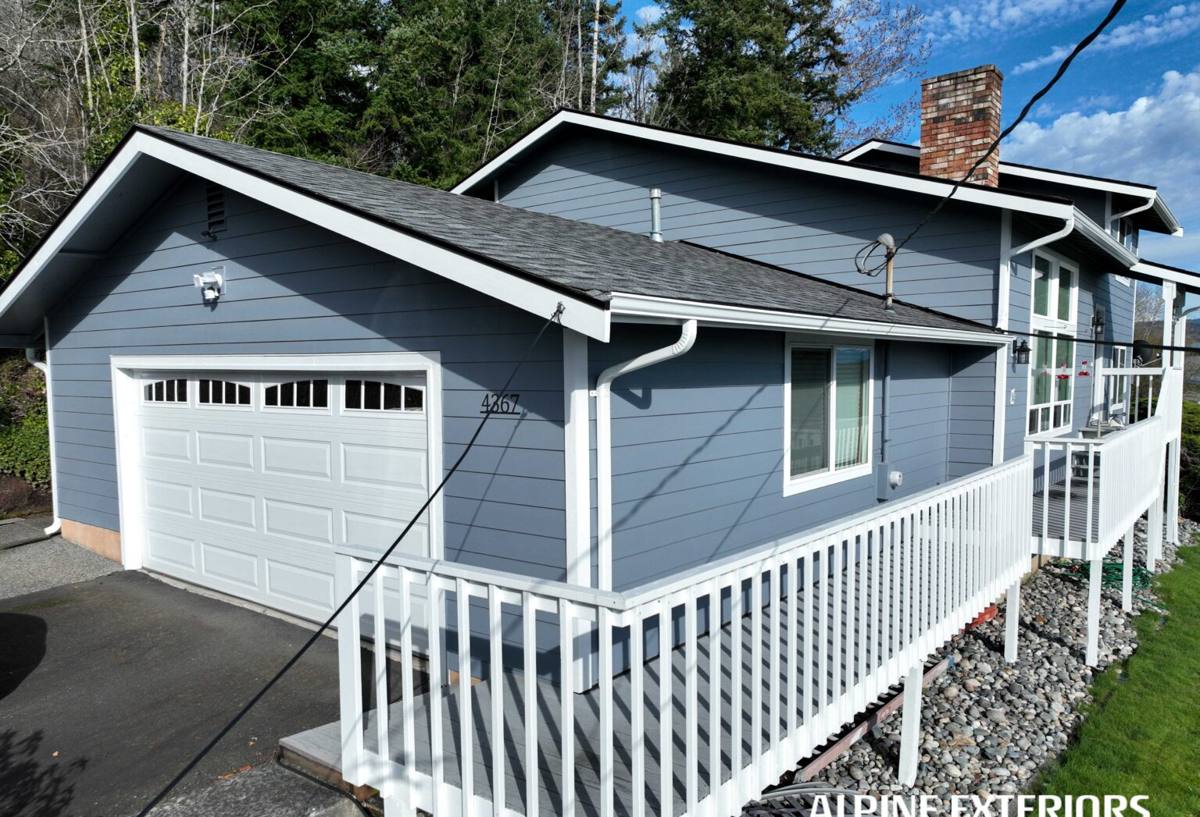
Signs It's Time for Replacement, Not Another Repair
Not every roofing problem calls for a full tear-off. But there's a point where patching becomes a waste of money, and in a coastal, high-UV environment like Sarasota that point tends to arrive sooner than homeowners expect. Watch for these signs:
- Shingles that are curling, cupping, or losing granules across large sections of the roof, not just one isolated spot
- Soft spots or sagging when you walk the attic or view the roofline from the ground
- Recurring leaks in different locations after repairs, which usually points to a failing underlayment rather than a single bad spot
- Visible rust streaking or corrosion around flashing, vents, or metal fasteners
- A roof approaching or past the manufacturer's expected service life, especially if it's never been inspected after a major storm
- Rising insurance costs or a carrier flagging the roof's age during a policy renewal
If you're seeing two or more of these at once, a repair is often just delaying an expense that's going to arrive anyway — usually at a less convenient time, like mid-leak during a tropical storm.
What a Proper Roof Replacement Actually Involves
A roof replacement is more than swapping old shingles for new ones. Done correctly, it's a rebuild of the entire roofing system, and skipping steps here is exactly how homes end up with leaks two years later even though the shingles look fine from the street.
Tear-Off and Deck Inspection
Every layer of old roofing comes off down to the deck. This is the only point in the entire project where the plywood or OSB underneath can actually be inspected — for rot, delamination, soft spots, or undersized panels that don't meet current code thickness. Any bad decking gets replaced before anything else happens. Skipping a full tear-off, or "roofing over" existing layers, hides problems instead of fixing them.
Underlayment and the Secondary Water Barrier
This layer is arguably more important to a home's long-term dryness than the shingles themselves. In Sarasota's wind-driven rain events, water gets pushed sideways and upward under wind pressure, not just straight down. A properly sealed underlayment system — self-adhering membrane at eaves, valleys, and penetrations, with a fully sealed deck in between — is what actually keeps a home dry when a shingle or two eventually lifts in a storm.
Flashing, Ventilation, and Fasteners
New step flashing and counterflashing at walls and chimneys, new pipe boot flashing, and properly balanced intake and exhaust ventilation all matter as much as the roof covering itself. Poor attic ventilation traps heat and moisture, which shortens the life of a new roof fast in a climate like ours. Fasteners matter too — in coastal air, corrosion-resistant nails and hardware aren't optional upgrades, they're the difference between fasteners that hold for the roof's full service life and ones that start failing in a decade.
Roofing Material Comparison for a Downtown Sarasota Home
| Material | Typical Lifespan | Wind/Storm Performance | Upfront Cost | Maintenance |
|---|---|---|---|---|
| Architectural asphalt shingle | 20–30 years | Good, when installed with proper nailing pattern and sealed deck | Lowest of the three | Periodic inspection; granule loss over time |
| Standing seam metal | 40–50+ years | Excellent wind uplift resistance and impact durability | Highest upfront | Low; occasional fastener/sealant checks |
| Concrete or clay tile | 40–50+ years | Very good when tiles are properly fastened; individual tiles can crack from impact | High | Underlayment beneath tile still ages and needs eventual replacement |
There's no universally "correct" choice — it depends on your budget, how long you plan to stay in the home, and in some cases what a downtown HOA or condo association allows. What matters more than the material itself is that whichever system you choose is installed to the manufacturer's wind-rated specifications, not a generic nailing pattern.
Permits, Code, and Wind Requirements in Sarasota County
Roof replacements in Sarasota County require a permit, and for good reason — this is a coastal wind-borne debris region under the Florida Building Code, and reroofing triggers specific requirements around sealed roof decking, fastening schedules, and inspections that aren't optional extras. A contractor who pulls the permit, schedules the required inspections, and closes it out properly is protecting you from problems that surface later, whether that's a failed inspection during a home sale or an insurance claim that gets denied because the work wasn't permitted. If a contractor suggests skipping the permit to save time or money, treat that as a red flag, not a convenience.
How the Job Actually Runs, Start to Finish
Homeowners generally want to know two things: how long will this take, and how disruptive will it be. Here's the general shape of a replacement:
- Inspection and estimate — a walk of the roof, attic, and any known trouble spots, followed by a written estimate that spells out materials, scope, and price
- Permit filing — submitted to Sarasota County or the applicable local jurisdiction before work begins
- Material delivery and staging — coordinated around your property's access, which matters more on tighter downtown lots
- Tear-off — usually completed in a single day for most residential roofs, with the deck inspected as it's exposed
- Dry-in — the roof is protected with underlayment the same day tear-off happens, so an unexpected afternoon storm doesn't become an emergency
- Installation of new roofing system — flashing, ventilation, and the finish material installed to spec
- Final cleanup and magnetic sweep — nails and debris cleared from the yard and driveway
- Final inspection — the local building department signs off before the job is considered complete
Most single-family roof replacements finish in one to a few days of active work, weather permitting. Condo or multi-unit buildings take longer and usually involve more coordination with an association.
Insurance and Wind Mitigation Considerations
In coastal Florida, a roof's age and condition directly affect what your homeowners insurance costs, and in some cases whether a carrier will renew the policy at all. A new roof, installed to current code with documented permits and inspections, typically qualifies for a fresh wind mitigation inspection — which can lower premiums by reflecting features like a sealed roof deck, hip roof geometry, or improved fastening. It's worth asking your contractor for the paperwork you'll need to hand to your insurance agent once the job is done; a reputable roofer expects this question and has the documentation ready.
Why It Matters to Hire a Crew That Already Works Downtown Sarasota
Downtown's mix of older homes, newer infill, and condo communities means a crew unfamiliar with the area is more likely to miss things — a permitting quirk specific to the local jurisdiction, an HOA notification requirement, or the practical realities of staging a tear-off on a narrow lot with mature tree canopy overhead. A contractor who regularly works this specific area knows how to plan around those constraints before they become delays or change orders. Local experience also means faster response if a storm rolls through mid-project or shortly after — you're not waiting on a crew that has to drive in from another county.
What to Ask Before You Hire
- Are you licensed and insured to do roofing work in Florida, and can I see proof?
- Will you pull the permit yourself, and who schedules the required inspections?
- What underlayment and fastening system do you use, and does it meet current wind code?
- Do you provide a written estimate that itemizes materials, not just a single lump-sum number?
- What's the manufacturer's warranty, and is it tied to using a certified installer?
- Who handles cleanup, debris disposal, and the magnetic nail sweep?
A contractor who answers these clearly and in writing, without hedging, is one worth trusting with a job this important. One who avoids specifics or pushes you to sign same-day isn't.
If your roof is showing its age, or you just want an honest opinion on whether repair or replacement makes more sense for your home, we're happy to take a look. The estimate is free, there's no pressure to sign anything on the spot, and you'll get a straight answer either way — just fill out the form below to get started.