 Sarasota Siding
 Deck Building in Ellenton: A Different Set of Rules Than Up North
Ellenton sits in a stretch of the Gulf Coast where outdoor living happens almost year-round, which is exactly why a deck here has to work harder than one built in a milder climate. A deck in Ellenton isn't just a weekend project catching a few nice afternoons a year — it's an outdoor room that gets used constantly, and that means it takes the full brunt of everything this region's weather can throw at it, month after month, for decades if it's built right.
We build decks specifically for this environment. That doesn't mean a generic deck package with a few upgrades bolted on — it means starting the design and material selection with the local conditions in mind, not treating them as an afterthought once the frame is already up.
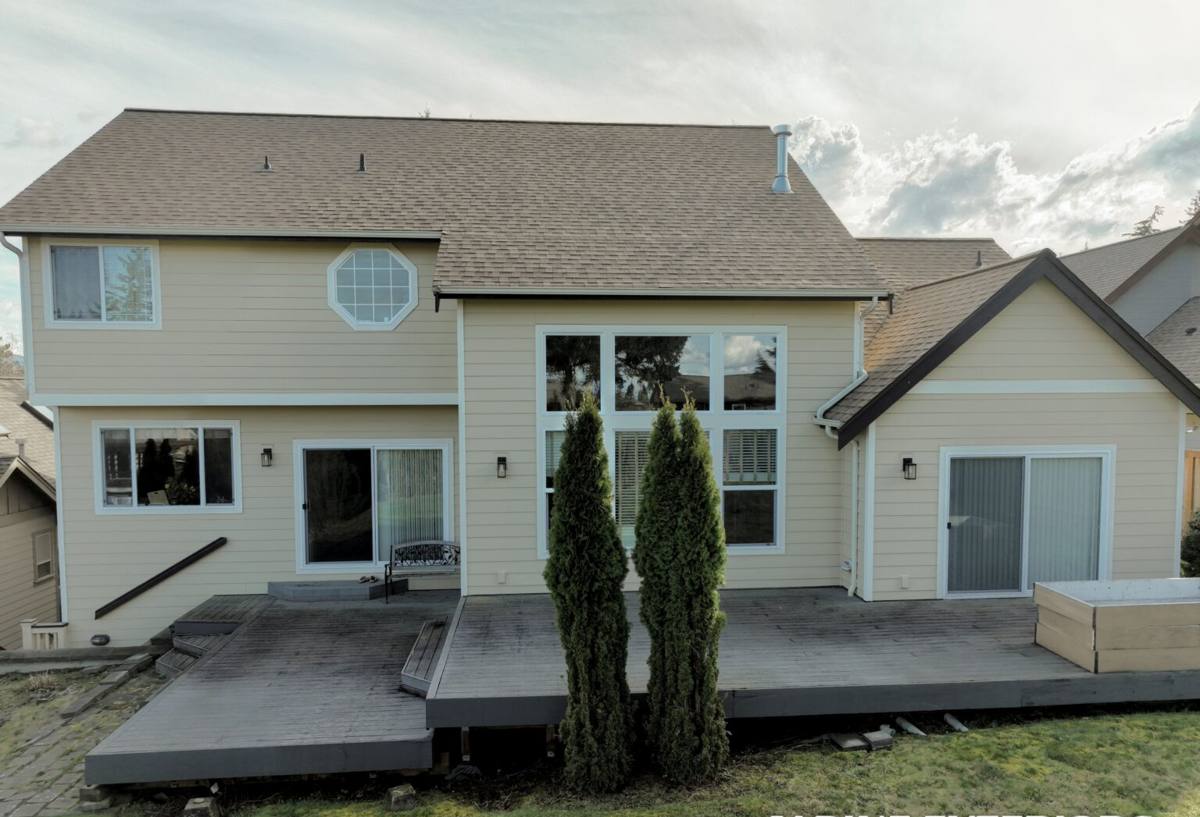
What This Climate Actually Does to a Deck
Intense, Year-Round UV
Florida sun is stronger and more consistent than most of the country ever deals with. UV exposure breaks down the surface fibers of wood, fades stains and finishes faster than product labels usually admit, and accelerates the plastic degradation that eventually makes cheaper composite decking go chalky or brittle. A deck built without UV resistance in mind will show it within a couple of summers, not a couple of decades.
Humidity and Salt-Tinged Air
Being close to the coast means the air carries more moisture and salt than an inland climate would. That combination is hard on metal fasteners and hardware, promotes mold and mildew growth on horizontal wood surfaces, and speeds up corrosion in anything that isn't rated for it. It also means wood decking never fully dries out between rains the way it might elsewhere, which matters for how fast rot can set in.
Wind-Driven Rain
Rain here rarely falls straight down. Wind pushes it sideways, up under railings, and into any gap or seam that isn't properly flashed or sealed. A deck attached to the house needs a ledger connection that actually sheds water away from the structure, not one that funnels it straight into the rim joist or siding.
Hurricane-Force Wind Loads
Sarasota County and the surrounding Gulf Coast region see tropical storm and hurricane conditions on a regular enough basis that "it probably won't happen" isn't a design philosophy anyone should build to. Railings, post connections, and the ledger attachment all need to handle real uplift and lateral load, not just support the weight of people standing on the deck on a calm day.
Choosing the Right Decking Material for Ellenton
There's no single "best" decking material — there's a best material for this climate, this budget, and how much upkeep a homeowner actually wants to do. Here's how the common options compare under Gulf Coast conditions specifically:
| Material | UV & Fade Resistance | Moisture Behavior | Maintenance | Typical Lifespan Here |
|---|---|---|---|---|
| Pressure-treated wood | Fades and grays without regular refinishing | Absorbs water, prone to cupping/splitting in humidity | Annual cleaning and sealing recommended | 10-15 years with upkeep |
| Tropical hardwoods (e.g. ipe) | Good, but still grays without oiling | Naturally dense and rot-resistant | Periodic oiling to maintain color | 20-25+ years |
| Capped composite | Strong, engineered for UV exposure | Doesn't absorb water or rot | Occasional washing, no sealing/staining | 25-30 years |
| PVC decking | Very strong, fully synthetic | Impervious to moisture | Lowest maintenance of the group | 25-30+ years |
Brands like Trex and TimberTech make solid capped composite and PVC products, and we're happy to install whichever brand a homeowner prefers. Where we're honest with clients is on uncapped, budget-tier composite: in this humidity and UV load, the boards that skip a protective cap layer tend to fade unevenly and can develop surface mold faster than a capped product. It's not that the material is defective — it's that it's a poorer match for this specific climate, and we'd rather say that upfront than let a client find out the hard way.
What a Correctly Built Deck Requires Below the Surface
The decking boards are the part everyone sees, but the parts that determine whether a deck lasts 10 years or 30 are underneath. A deck built for this region needs:
- A ledger board attached with proper flashing that directs water away from the house, not lag bolts driven straight into siding
- Footings sized and set to local frost-free depth and soil-bearing requirements, not guessed at
- Corrosion-resistant, coastal-rated fasteners and joist hardware — standard hardware corrodes faster than most homeowners expect in salt-tinged air
- Joist tape or a moisture barrier on top of the framing to keep water from wicking into the wood from the decking above
- Post-to-beam and beam-to-footing connections engineered for wind uplift, not just gravity load
- Proper spacing and blocking so composite or PVC decking doesn't develop the bounce or gapping that shows up when it's installed off-spec
None of this is visible once the deck is finished, which is exactly why it's worth asking a contractor to walk through it before the work starts rather than after.
Our Deck Building Process
- On-site assessment. We look at the house's structure, the grade, drainage patterns, and sun/wind exposure specific to the property before recommending anything.
- Design and material walkthrough. We go over layout options and material trade-offs honestly — including what each choice will actually look like and cost to maintain five or ten years from now.
- Permitting. We handle the paperwork and coordinate the required inspections with the local building department so the homeowner isn't left chasing that down.
- Framing and structural work. Footings, posts, beams, and joists go in first, built to the wind and load requirements this area calls for.
- Decking, railing, and finish work. Boards, railings, fascia, and any stairs go on last, with attention to fastener spacing and drainage gaps.
- Final walkthrough. We review the finished deck with the homeowner and go over any material-specific care before we consider the job done.
Permits and Building Codes
Most new decks and any deck attached to a house require a permit, and this region's building codes include wind-load requirements that go beyond what's typical in much of the country. That's not bureaucracy for its own sake — it's the same set of standards that determines whether a structure holds up during a tropical storm or a bad summer squall. We pull permits and coordinate inspections as part of the job, since skipping that step can create real problems later, from failed home inspections at resale to insurance complications after storm damage.
Cost Factors to Expect
Every deck is priced around its own footprint, framing needs, and material choice, so broad ranges are more honest than a flat number. In general terms:
| Factor | How It Affects Cost |
|---|---|
| Decking material | Pressure-treated wood costs less upfront; composite and PVC cost more initially but less over time in maintenance |
| Height and elevation | Taller decks need more substantial framing, stairs, and often additional railing |
| Footing and soil conditions | Poor drainage or soft soil can require deeper or additional footings |
| Railing style | Cable, glass, or composite railing systems cost more than standard wood or aluminum baluster railing |
| Roof or cover addition | Adding a roof, pergola, or screen enclosure over the deck adds structural and material cost |
| Access and site conditions | Tight lot access or extensive removal of an old deck can add labor time |
We provide a written estimate that breaks these factors down for the specific property, rather than a single lump figure that doesn't explain where the money is going.
Protecting a Deck Once It's Built
Even the right materials installed correctly still need some basic upkeep in this climate. A simple annual routine covers most of it:
- Rinse the deck surface periodically to clear salt residue, pollen, and organic buildup before it stains or promotes mold
- Check fastener heads and railing connections yearly for any early corrosion, especially closer to the coast
- Reseal or restain wood decking on the schedule the product actually needs — usually every one to two years, not "when it starts looking bad"
- Keep gutters and downspouts near the deck clear so runoff isn't dumping extra water onto or under the structure
- Trim back vegetation that's shading the deck and keeping it damp longer than it should stay
- After any major storm, do a quick visual check of railings and post connections before assuming everything is fine
Why a Crew That Already Works in Ellenton Makes a Difference
A contractor who regularly works Ellenton and the surrounding Sarasota County area already knows which fastener grades hold up locally, which materials perform the way they're supposed to in this specific mix of sun, humidity, and storm exposure, and what the local permitting process actually requires — not what a generic checklist says. That local familiarity shows up in fewer surprises during the project and a deck that's built for the conditions it will actually face, not conditions somewhere else.
If you're weighing options for a new deck or a replacement in Ellenton, we're glad to walk the property, talk through materials honestly, and put together a free, no-pressure estimate using the form below.