 Sarasota Siding
 Windows Built for a University Park Address
University Park homes face a different set of demands than a house forty miles inland. Between the wind loads generated by tropical systems moving through the Gulf, the year-round UV exposure, the wind-driven rain that finds every gap in a poor installation, and the salt air drifting in off the coast, a window here is doing real work every single day — not just on the days a storm is in the forecast. When we talk about "custom" windows for a home in this community, we mean windows that are sized, rated, and installed to match the specific conditions of this address, not a generic size pulled off a shelf and caulked into place.
A lot of the window problems we get called out to inspect in University Park didn't start as window problems. They started as installation shortcuts — undersized units shimmed to fit an opening, missing or incorrect flashing, sealant used in place of proper mechanical fastening, or a frame that was never rated for the wind zone it's sitting in. Custom window work fixes that at the root: the opening gets measured and evaluated on its own, the product gets matched to the load and moisture conditions it will actually face, and the installation gets done to code, not around it.
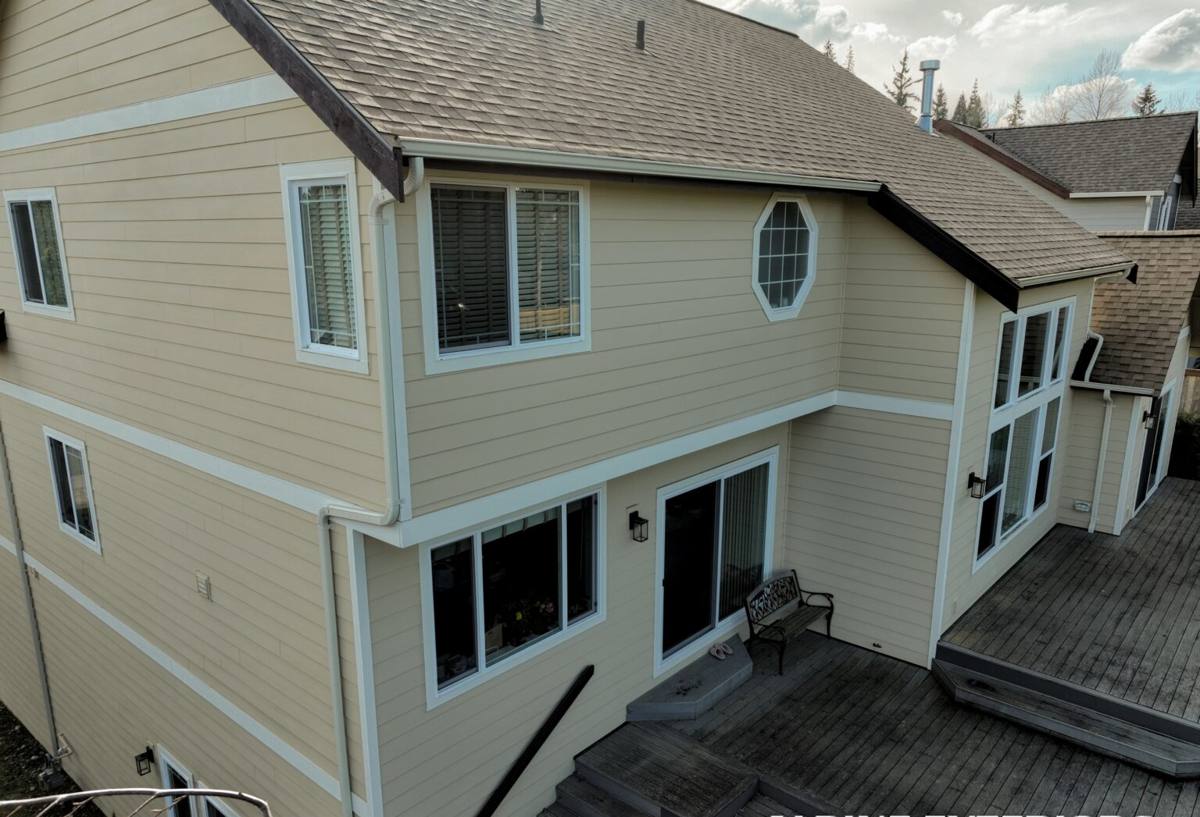
What Sarasota's Climate Actually Does to a Window
It helps to be specific about what's working against a window here, because it explains why "just replace it with the same thing" is often the wrong call.
Wind Load
Sarasota County sits in a wind-borne debris region, which means replacement windows generally need to meet Florida Building Code wind-load and impact requirements for our area — either impact-rated glass or an approved protection system. An older window that predates current code was never engineered for today's requirements, and a mismatched replacement can leave a real gap in a home's storm protection even if it looks fine on a calm day.
UV Exposure
Florida sun is hard on window components year-round, not just in summer. UV breaks down vinyl, dries out gaskets and weatherstripping, and fades interior finishes near windows that aren't glazed to block it. A window that looks fine from the street can already have brittle seals doing none of their job.
Wind-Driven Rain
Rain in this region rarely falls straight down during a storm — it's pushed sideways into the building envelope. That's a flashing and installation problem as much as a product problem. The best window on the market will still leak if the opening around it wasn't properly flashed and sealed to shed water outward.
Salt Air
Being close to the Gulf means airborne salt settles on hardware, tracks, and any exposed metal fasteners. Over years, that accelerates corrosion on lower-grade hardware and fasteners that weren't specified for a coastal environment, which shows up as sticking sashes, failing locks, and streaking well before the glass itself is a problem.
Signs a University Park Home Needs Window Attention
- Visible daylight or a draft around a closed window frame
- Fogging or a permanent haze between panes (a failed seal on an insulated glass unit)
- Sashes that stick, won't stay open, or are hard to lock
- Soft or discolored drywall, trim, or stucco near a window after heavy rain
- Windows that were never labeled or documented as meeting current wind-load requirements
- Noticeably higher AC run time in rooms with older or single-pane windows
- Chalky, pitted, or corroded frames and hardware
Any one of these on its own might just mean routine maintenance. Several together, or a home with the original builder-grade windows still in place, usually means it's worth a proper evaluation before the next storm season rather than after.
What "Custom" Actually Means Here
Custom doesn't mean expensive for its own sake — it means the window is specified to the opening and the house, not the other way around. That matters in a community like University Park where a mix of home styles and ages means openings aren't all standard sizes, and where architectural review and HOA aesthetic guidelines often come into play for anything visible from the street or golf course.
In practice, "custom" covers things like:
- Exact measurement of each opening rather than assuming a stock size
- Matching frame color, grid pattern, and profile to the home's existing look or HOA requirements
- Selecting glass tint, coating, and impact rating based on the window's sun exposure and wind zone, not a single spec across the whole house
- Accommodating non-standard shapes — arched, oversized, or unusual openings common in some of the area's home designs
Frame Materials: What Actually Holds Up Here
| Frame Material | Coastal/UV Performance | Maintenance | Typical Trade-offs |
|---|---|---|---|
| Vinyl | Good UV-stabilized options resist fading and warping; won't corrode | Low — no painting needed | Lower-grade vinyl can soften and warp under intense, sustained heat |
| Aluminum | Strong for large/impact-rated units; needs a marine-grade or coated finish near the coast | Moderate — watch for corrosion on lower-grade hardware | Conducts heat more than vinyl unless thermally broken |
| Fiberglass | Excellent dimensional stability in heat and humidity; naturally corrosion-resistant | Low | Higher upfront cost than vinyl |
| Wood/Wood-clad | Poor without diligent upkeep in salt air and humidity | High — regular sealing/painting required | Best reserved for interior-facing or well-protected openings |
We don't push one material as the answer for every home. The right call depends on the window's exposure — a west-facing wall that takes direct afternoon sun and wind-driven rain has different needs than a covered lanai opening. We'll walk through the trade-offs for your specific openings rather than defaulting to whatever's easiest to install.
Impact Glass vs. Shutters: An Honest Comparison
Florida Building Code gives University Park homeowners a choice for meeting wind-borne debris protection: impact-rated windows, or approved shutters/panels paired with standard windows. Both are legitimate, code-compliant paths, and the right one depends on budget, how the home is used, and personal preference.
| Factor | Impact-Rated Windows | Shutters/Panels |
|---|---|---|
| Storm prep effort | None — always protected | Requires deployment before each storm |
| Daily UV/noise benefit | Yes, year-round | No benefit except when deployed |
| Upfront cost | Higher | Lower to moderate |
| Appearance | No visible change to the home | Visible hardware/track, and shutters change the look when closed |
| Insurance consideration | Often eligible for wind-mitigation credits | Also eligible, if properly rated and documented |
Neither option is wrong. What matters is that whichever path you choose is properly rated, documented, and installed to the code requirements that apply to your address — half-measures are where problems start.
Our Installation Process
The install itself is where most of the long-term performance of a window is decided, regardless of how good the product is. Our process for University Park homes generally runs:
- On-site evaluation — we measure every opening individually and check for existing moisture damage, framing issues, or settling that needs to be addressed before a new window goes in.
- Product selection — we go over frame material, glass package, and wind rating options based on that specific opening's exposure and your budget, plus any HOA aesthetic requirements to account for.
- Permitting — replacement windows in Sarasota County require a building permit and inspection; we handle that paperwork rather than leaving it to the homeowner.
- Removal and prep — the old unit comes out, and we inspect and repair the framing and sheathing underneath before anything new goes in. This step gets skipped in a lot of rushed jobs and it's usually the reason a "new" window leaks within a year or two.
- Flashing and installation — proper flashing sequence, shimming, and fastening per the manufacturer's installation instructions, which is what actually keeps wind-driven rain out.
- Sealing and finish — sealant is a backup to good flashing, not a substitute for it, and we treat it that way.
- Final inspection and walkthrough — we confirm operation, sealing, and code sign-off before we consider the job done.
Why It Matters to Hire a Crew That Already Works in University Park
A crew that regularly works in this community already knows the local permitting process with Sarasota County, has a working sense of the HOA and architectural review expectations that come with a golf-course community, and has seen firsthand how different frame materials and installation details hold up here after a few storm seasons — not just in a showroom. That familiarity shortens the back-and-forth on approvals and reduces the chance of a surprise mid-project, whether that's an unexpected framing repair or a design detail that needs sign-off before installation.
It also means we're not guessing about wind zone requirements or treating every home the same. A window package that's right for an oceanfront property further west on the coast isn't automatically right — or necessary — for a home in University Park, and vice versa. Matching the spec to the actual site keeps you from over- or under-buying protection.
What Drives the Cost
Every home and opening is different, so we won't quote a number without seeing the job, but these are the main factors that move the price up or down:
| Factor | Effect on Cost |
|---|---|
| Impact rating vs. standard glass with shutters | Impact glass costs more upfront but needs no storm prep |
| Frame material | Vinyl generally lowest cost; fiberglass and specialty aluminum finishes higher |
| Opening size and shape | Oversized, arched, or non-standard openings cost more to custom-fabricate |
| Extent of framing repair needed | Water damage found during removal adds labor and material |
| Number of openings done at once | Doing multiple windows in one project typically lowers the per-window cost |
| Glass package (Low-E coatings, tint, laminate type) | Better UV/heat performance costs more but lowers cooling costs long-term |
Maintaining Custom Windows in a Coastal Climate
Even a properly installed, well-rated window benefits from basic upkeep in this climate:
- Rinse frames and tracks periodically to clear salt residue before it accelerates hardware corrosion
- Check and lubricate locks and rollers on operable windows once or twice a year
- Inspect exterior sealant lines annually and have any cracked or separated sealant redone before rainy season
- Keep weep holes clear of debris so water drains out instead of pooling in the frame
- Have hardware and seals checked after any major storm, even if there's no visible damage
None of this is complicated, but skipping it is how a good installation slowly turns into a future problem.
If you're weighing a window project for a University Park home — whether that's a single problem opening or a full-house replacement ahead of storm season — we're happy to come take a look and walk you through your options. The estimate is free, there's no pressure, and you'll get a straight answer about what your home actually needs. Use the form below to get started.