 Sarasota Siding
 Siding Built for University Park's Climate, Not Just Its Curb Appeal
University Park's tree-lined streets, mature landscaping, and well-kept homes are part of what makes the community desirable — and that's exactly why the siding on those homes has to hold up without looking like it's fighting a losing battle against the weather. This part of the Sarasota area sees the same conditions that wear down exterior materials faster than almost anywhere else in the country: hurricane-force wind gusts, intense year-round UV exposure, wind-driven rain that gets pushed sideways into wall assemblies, and salt-laden air that migrates inland on Gulf breezes. Siding here isn't just a cosmetic layer. It's the first line of defense for the structure behind it.
We install James Hardie fiber cement siding exclusively, and University Park is a neighborhood where that decision matters in a very concrete way. Homes here tend to be well-maintained, often with HOA design standards to uphold, and owners who plan to stay put for years, not flip and move on. That combination — long ownership horizons, community appearance standards, and genuine weather exposure — is precisely the situation fiber cement was engineered to handle.
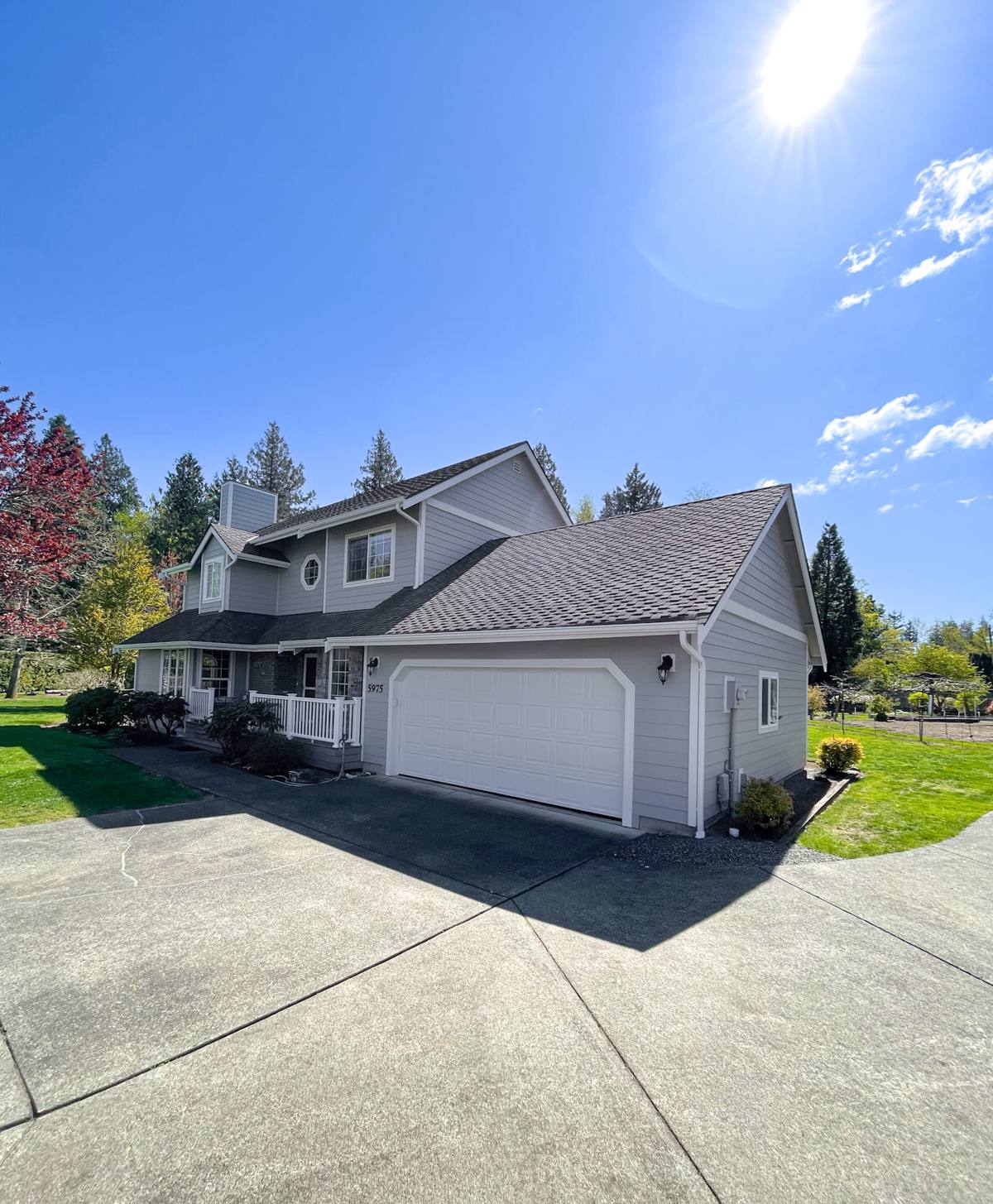
What Local Homes Actually Need From Their Siding
Wind Resistance That's Tested, Not Assumed
Sarasota-area homes are built to meet Florida's wind-load requirements, and the siding on the exterior has to perform as part of that system, not just sit on top of it. James Hardie's HZ5 product line is engineered specifically for high-wind, high-moisture climates like ours, with fastener and installation specifications designed to keep panels secured through sustained wind events — not just a light afternoon storm.
UV Stability Without Constant Repainting
Florida sun is relentless, and it doesn't take many summers for cheaper siding materials to fade, chalk, or warp. Hardie's ColorPlus factory-applied finish is baked on and formulated to resist UV fading far longer than a field-applied paint job, which matters a lot to homeowners who don't want to be back up on a ladder repainting the exterior every few years.
Moisture and Rot Resistance
Wind-driven rain doesn't fall straight down here — it gets driven horizontally into wall assemblies during storms. Siding material that absorbs water, swells, or rots when it gets wet is a long-term liability in this climate. Fiber cement is non-organic and doesn't feed rot the way wood-based products can.
Salt Air Tolerance
Even set back from the immediate coastline, University Park still gets salt-laden air moving through on a regular basis. Salt exposure accelerates corrosion of fasteners and degrades certain coatings and composite materials faster than manufacturers' generic ratings suggest. Fiber cement's cement-and-cellulose composition doesn't corrode, and correctly specified fasteners and flashing details are chosen with that exposure in mind.
Why We Only Install James Hardie
We get asked from time to time about vinyl, LP SmartSide, or other fiber cement brands, and we're upfront about why we don't install them. It's not that every alternative is without merit — it's that after years of doing this work in Sarasota's climate, we've standardized on the one product system that consistently holds up to what this area throws at a house.
- Vinyl can soften, warp, or crack under sustained heat and impact, and it isn't rated for the wind speeds this region regularly sees.
- Engineered wood siding (LP SmartSide) uses a wood-strand substrate that's more moisture-sensitive than fiber cement, which is a real concern in a climate with this much humidity and wind-driven rain.
- Other fiber cement brands may be similar on paper, but we've built our installation standards, warranty backing, and color program around Hardie specifically, and we'd rather be excellent at one system than average at several.
James Hardie's product is non-combustible, backed by a strong transferable warranty, and available in climate-engineered HZ product lines built for exactly the conditions University Park sees. That's the standard we put on homes.
What a Correct Fiber Cement Installation Actually Involves
Fiber cement siding is only as good as its installation. A rushed or generic install can undercut everything the material is supposed to deliver, and it's one of the most common ways homeowners end up disappointed with a product that's otherwise excellent. A correct job includes:
- Proper weather-resistive barrier and flashing details behind the siding, not just around windows and doors
- Correct starter strip installation so the bottom course sits and drains properly
- Manufacturer-specified fastener type, spacing, and placement — critical for wind performance in HZ5-rated zones
- Proper clearances at grade, roofline, and any horizontal surfaces to prevent moisture wicking
- Caulked and sealed joints using products compatible with Hardie's ColorPlus finish
- Field-cut edges sealed per manufacturer specification to protect against moisture intrusion
Skip any of these and you can end up with a product that looks right for a year or two but fails early — trapped moisture, fastener corrosion, or panels that don't perform the way they're rated to in a real wind event.
Our Process for University Park Homes
1. On-Site Assessment
We walk the exterior, check the current siding or substrate condition, note trim and architectural details specific to the home, and flag anything — soft sheathing, existing moisture damage, HOA-relevant color or style constraints — that needs to be addressed before installation begins.
2. Removal and Substrate Prep
Old siding comes off, and we inspect what's underneath. Any compromised sheathing or water-damaged framing gets addressed before new material goes up — installing fiber cement over a bad substrate just hides a problem instead of fixing it.
3. Weather Barrier and Flashing
This step is where a lot of the long-term performance actually gets decided, even though it's invisible once the job is done. We install house wrap and flashing details built for wind-driven rain exposure, sealed at every penetration.
4. Panel Installation
Hardie panels or lap siding go on to manufacturer spec — fastener pattern, spacing, and clearances all sized for this wind zone, not a generic national standard.
5. Finish Details and Cleanup
Trim, caulking, and touch-up work are completed, the site is cleaned, and we walk the finished exterior with the homeowner before calling the job done.
Why a Local Crew Matters Here
A crew that already works in University Park and the broader Sarasota area brings a few concrete advantages over an out-of-town installer or a generic regional franchise:
- HOA familiarity: Communities like University Park often have architectural review requirements for exterior changes, including siding color and style. A crew that's worked in the neighborhood before knows how to prepare documentation and stay within approved parameters, which keeps the project from stalling on paperwork.
- Wind zone code knowledge: Sarasota County's building requirements reflect its coastal wind exposure. A local crew installs to those specifications as a matter of habit, not as a special request.
- Faster response: Being nearby means faster scheduling for the initial estimate, faster follow-up if a question comes up post-install, and no travel premium built into the quote.
- Accountability: A contractor who lives and works in the same community they're serving has a direct incentive to do the job right the first time.
Cost Factors for Fiber Cement Siding Projects
Every home is different, so we don't publish blanket pricing — but these are the main factors that move a project's cost up or down, and it's worth understanding them before you start comparing quotes.
| Factor | Why It Matters |
|---|---|
| Home size and number of stories | More surface area and taller elevations increase material and labor time, plus equipment needs for upper stories. |
| Existing siding removal | Tear-off and disposal of old siding adds labor and haul-away costs versus new construction. |
| Substrate condition | Water-damaged sheathing or framing found during removal needs repair before new siding goes on. |
| Siding profile and texture | Lap siding, shingle-style panels, and vertical board-and-batten carry different material and labor costs. |
| Trim and architectural detail | Homes with more corners, windows, dormers, or decorative trim require more cutting, fitting, and finish work. |
| HOA-approved color selection | ColorPlus factory finishes vs. field-painted options can affect both cost and finish durability. |
| Site access | Landscaping, fencing, or tight lot lines that limit equipment access can add labor time. |
Maintaining Fiber Cement Siding in a Sarasota-Area Climate
One of the real advantages of fiber cement is how little upkeep it needs compared to other siding materials — but "low maintenance" doesn't mean "no maintenance," especially with the UV and salt exposure University Park sees.
- Rinse the exterior with a garden hose or low-pressure wash every few months to clear salt residue and pollen buildup
- Inspect caulking around windows, doors, and trim annually and re-caulk if it's cracked or pulling away
- Check that mulch, soil, or landscaping hasn't built up against the bottom edge of the siding, which can trap moisture
- Look at fastener heads and trim joints after major storms for any signs of movement or damage
- Avoid pressure-washing at high PSI directly at panel joints, which can force water behind the siding
Ready to Talk About Your Home
If you're weighing siding options for a home in University Park, we're glad to come take a look, walk you through what a correct installation involves for your specific house, and give you a straightforward, no-pressure estimate — no invented urgency, no upsell script, just an honest assessment of what your home needs.