 Sarasota Siding
 Metal Roofing Built for Gulf Gate Estates' Climate
Gulf Gate Estates sits close enough to the coast that salt air, humidity, and wind are part of daily life for every roof in the neighborhood. Between hurricane season, near-constant summer UV, and the wind-driven rain that comes with Gulf storms, a roof here works harder than a roof almost anywhere inland. Metal roofing has become a popular answer for homeowners who are tired of replacing shingles every decade or patching storm damage every other year — but only when it's specified and installed correctly for this exact climate.
This page covers what a metal roof actually needs to hold up in Gulf Gate Estates, how we approach the job from first inspection to final walk-through, and what to look for when you're vetting a contractor for the work.
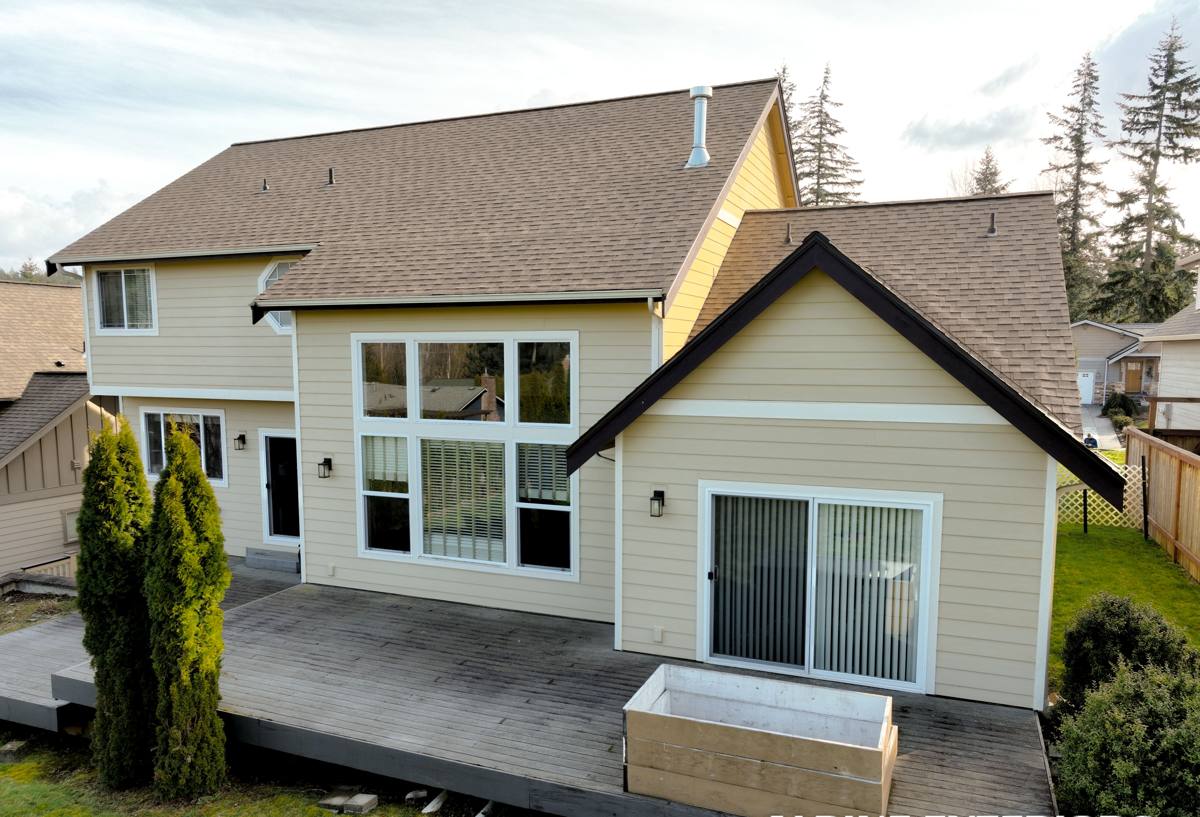
Why Gulf Gate Estates Homes Are Good Candidates for Metal Roofing
Gulf Gate Estates is a mostly single-family, tree-canopied neighborhood not far from the coast, which means two things for roofing: strong afternoon sun exposure on unshaded roof planes, and salt-laden air that accelerates corrosion on anything not properly coated or fastened. Metal roofing, when specified with the right coating and fastener system, handles both of these better than most other roofing materials — it reflects a large share of solar heat rather than absorbing it, and a properly finished panel resists the kind of granule loss and cracking that shortens the life of asphalt shingles under constant UV.
The other factor is wind. Sarasota County building code requires roofing systems rated for high wind uplift, and metal panel systems — particularly standing seam — post some of the best wind uplift ratings available for residential roofing when installed with the correct clip spacing and fastening pattern. That matters directly to Gulf Gate Estates homeowners who've watched hurricane forecasts track through the Gulf and wondered if their roof would hold.
What a Correct Metal Roofing Job Actually Involves
Panel System Selection
Not all metal roofing is the same, and the differences matter more in a coastal wind zone than they do elsewhere. The two systems we most often discuss with Gulf Gate Estates homeowners are:
- Standing seam: Concealed fasteners, raised interlocking seams, and the strongest wind and water performance of the common metal options. This is our default recommendation for full roof replacements in this area.
- Exposed-fastener panel (5V or corrugated): A lower-cost option that can still perform well when installed with proper fastener spacing and butyl sealant, but requires more diligence over time since fastener gaskets are the weak point in a coastal climate.
We'll walk you through the honest trade-offs for your budget and roof — there's no single right answer for every house.
Underlayment and Deck Prep
Underlayment matters as much as the metal itself. In a wind-driven rain climate, a synthetic or self-adhered underlayment with high tear strength and proper lap sealing is what actually keeps water out if wind ever drives rain up under a seam edge. We inspect the deck for soft spots, delamination, and prior water damage before anything goes down — a metal roof installed over a compromised deck is a warranty problem waiting to happen, regardless of how good the panels are.
Fastening and Flashing
Most metal roof failures we're called to fix in coastal neighborhoods trace back to two things: under-spec'd fasteners or clips, and flashing details around penetrations (vent stacks, chimneys, skylights) that were rushed. Correct clip spacing for the wind zone, stainless or coated fasteners rated for coastal exposure, and properly formed step and counter-flashing at every wall and penetration are not optional upgrades — they're what separates a roof that survives a real storm from one that doesn't.
Coastal Corrosion: What to Ask About Before You Sign
Salt air is corrosive to unprotected or poorly coated metal, and it doesn't take direct beachfront exposure for it to matter — Gulf Gate Estates is close enough to the coast that airborne salt reaches every roof in the area over time. This is why coating and metal grade matter more here than they would for the same house fifty miles inland.
| Factor | Why It Matters in Gulf Gate Estates |
|---|---|
| Metal type & gauge | Heavier gauge and marine-grade coatings resist salt corrosion and denting from wind-blown debris better than thin, uncoated panels |
| Paint/finish system | A quality baked-on finish (not a basic mill finish) resists chalking and fading under year-round UV |
| Fastener material | Coastal-rated fasteners resist rust streaking and loosening; mismatched metals can cause galvanic corrosion |
| Panel profile | Standing seam sheds wind-driven rain better than exposed-fastener profiles at seams and laps |
| Warranty structure | Coastal zones often have shorter or excluded warranty terms on certain finishes — worth confirming before you buy |
We'll tell you plainly if a product's warranty has coastal exclusions or reduced terms for homes in this zone — that's information you deserve before you commit, not after.
Our Process for Gulf Gate Estates Metal Roofing Projects
1. On-Site Inspection and Honest Assessment
We start by getting on the roof, not just guessing from the ground. We check deck condition, existing ventilation, flashing points, and any signs of prior leaks or storm damage before we recommend anything.
2. System and Material Walkthrough
We explain the panel system options, gauge, and finish choices in plain terms, along with realistic cost ranges, so you're deciding with full information rather than a sales pitch.
3. Permitting and Code Compliance
Sarasota County requires permits and wind-uplift compliance for roofing work. We handle the permitting process and make sure the installed system matches what's on the permit and meets current code for your wind zone.
4. Installation
Deck repair as needed, underlayment, panel installation with correct fastening/clip spacing, and flashing detail work at every penetration and wall transition.
5. Final Walk-Through
We walk the finished roof with you, cover maintenance basics, and make sure you understand what's covered under warranty and what routine upkeep (like keeping gutters and valleys clear of debris) helps protect that coverage.
What Homeowners Should Check Before Hiring Anyone for This Work
- Are they licensed to do roofing work in Sarasota County, and can they show proof of insurance?
- Do they pull permits for metal roof installations, or suggest skipping that step?
- Can they explain — specifically — the wind uplift rating and fastening pattern they'll use for your roof?
- Do they specify coastal-appropriate fasteners and coatings, or a generic inland spec?
- Will they put the manufacturer's warranty terms and any coastal exclusions in writing before you sign?
- Do they have experience with metal roofing specifically, not just asphalt shingle replacement?
Why a Crew Familiar with Gulf Gate Estates Matters
A contractor who already works in this part of Sarasota knows the practical realities that don't show up in a spec sheet — how tree canopy affects debris load in valleys, how prevailing wind direction during Gulf storms tends to load certain roof planes harder than others, and which flashing details tend to fail first on the local housing stock. That familiarity doesn't replace good installation practice, but it does mean fewer surprises and a roof that's actually built for the conditions it will face, not a generic spec pulled from a national playbook.
It also means accountability. A crew working regularly in Gulf Gate Estates and greater Sarasota County has a reputation to maintain in the same neighborhoods, which tends to show up in the quality of the work and the willingness to stand behind it.
Maintenance: What Keeps a Metal Roof Performing Here
Metal roofing is lower-maintenance than shingles, but "lower" isn't "none," especially in a coastal climate. A short annual routine goes a long way:
- Clear leaves and debris from valleys and around penetrations, especially after storm season
- Rinse off accumulated salt residue periodically if the home is closer to open water
- Check sealant at penetration points every year or two, since sealant ages faster under constant UV
- Have a professional check fastener tightness and flashing condition after any major wind event
Let's Take a Look at Your Roof
If you're weighing a metal roof for your Gulf Gate Estates home — whether you're replacing storm-damaged shingles or planning ahead of the next hurricane season — we're happy to come take a look and give you a straight assessment of what your roof needs and what it would cost to do right. There's no pressure and no obligation. Use the form below to request a free estimate.