 Sarasota Siding
 Why Lakewood Ranch Roofs Age Differently Than Roofs Up North
Lakewood Ranch sits inland from the coast, but it isn't sheltered from what Sarasota County throws at a roof. Between hurricane-force wind events, near-constant UV exposure, wind-driven rain that finds every gap in flashing, and salt air that travels further inland than most people expect, a roof here works harder every single year than the same roof would in most other parts of the country. That's true whether the house is a newer build in one of Lakewood Ranch's planned villages or an older home on a larger lot.
Manufacturers write shingle warranties and wind ratings based on averages. Lakewood Ranch isn't average. UV breaks down asphalt oils and granule adhesion faster here, heat cycles the roof deck expand and contract more aggressively, and every named storm season puts uplift pressure on ridges, hips, and edges that a roof in a milder climate never sees. A roof replacement done right here accounts for all of that from the start — not as an upsell, but as the baseline.
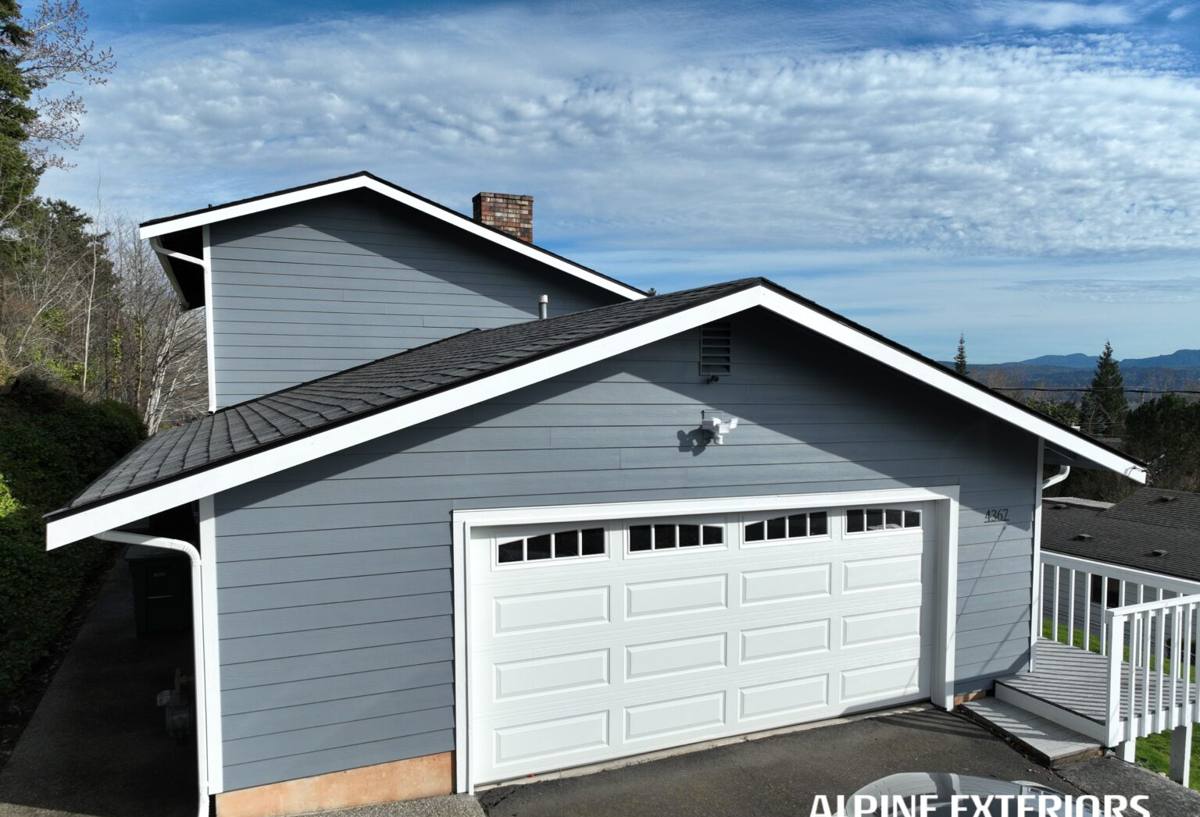
Signs a Lakewood Ranch Roof Needs Replacing, Not Just Patching
Not every roof problem means a full replacement. But there's a point where repairs stop being cost-effective and start being a way to delay an expense that's coming anyway. Some signs we look for:
- Granule loss heavy enough that you can see bare, shiny patches of asphalt on multiple slopes, not just one spot
- Shingles that are curling, cupping, or lifting at the edges — a sign the mat underneath is drying out
- Soft spots or sagging when walked on, which usually means deck damage under the shingles
- Repeated leaks in different locations after storms, rather than one recurring spot
- A roof that's 18-20+ years old, regardless of how it looks from the ground — asphalt roofing in this climate rarely gets a full useful life much past that
- Visible damage to flashing around chimneys, skylights, or plumbing vents that's been patched more than once
If a roof is showing two or more of these at once, patching usually turns into a cycle of repeat service calls. A straight replacement conversation is more honest than stretching an aging roof another storm season.
What a Correct Roof Replacement Actually Involves
A roof replacement is more than swapping old shingles for new ones. The parts that don't show once the job is done are usually the parts that determine whether the roof holds up through the next decade of Sarasota County weather.
Tear-Off and Deck Inspection
Every layer of old roofing comes off down to the deck. This is the point where hidden rot, soft wood, or prior water damage gets found and dealt with — not covered over. Any deck sheathing that's compromised gets replaced before anything new goes down.
Underlayment and Water Barrier
Given how much wind-driven rain this area sees, underlayment isn't a place to cut corners. A synthetic or self-adhering underlayment, with extra protection at valleys, eaves, and any low-slope transitions, matters more here than in drier climates where a leak might sit unnoticed for a while before causing damage.
Flashing
Flashing around chimneys, walls, skylights, and vents is one of the most common failure points on any roof, and it's usually not the shingles that fail first — it's the metal and sealant around penetrations. New flashing, properly integrated with the underlayment (not just caulked over old metal), is standard on a correct replacement.
Fastening for Wind
Sarasota County's building code reflects the wind exposure here, and fastening patterns, nail counts, and starter strip installation all affect how a roof performs under uplift. This isn't optional detailing — it's the difference between a roof that stays intact in a wind event and one that doesn't.
| Roofing Material | Typical Lifespan Here | Wind/UV Considerations |
|---|---|---|
| Architectural asphalt shingle | 18-25 years | Good value; UV and heat shorten lifespan versus cooler climates; needs proper fastening for wind rating |
| 3-tab asphalt shingle | 12-18 years | Lower upfront cost; generally lower wind rating and faster UV wear — less common in high-wind coastal counties |
| Metal (standing seam or coated panel) | 30-50 years | Strong wind and UV performance; higher upfront cost; good option for long-term owners |
| Concrete or clay tile | 40-50+ years | Excellent UV and wind resistance when properly installed; heavier structural requirements; underlayment failure is the usual long-term weak point |
Materials and Cost Factors Worth Understanding Before You Decide
Cost on a roof replacement isn't just square footage times a price per shingle. Several things move the number up or down, and it helps to know them before getting quotes so you can compare apples to apples.
| Factor | Why It Matters |
|---|---|
| Roof pitch and access | Steeper roofs and homes with limited ground access around the structure take longer and require more safety setup |
| Number of layers being removed | Tear-off of multiple existing layers costs more in labor and disposal than a single-layer tear-off |
| Deck condition | Rotted or delaminated sheathing found during tear-off adds material and labor that can't be known until the old roof is off |
| Number of penetrations | Chimneys, skylights, vents, and solar mounts each need individual flashing work |
| Material choice | Asphalt, metal, and tile carry very different material and labor costs, as shown above |
| Permit and code requirements | Sarasota County wind-zone requirements affect fastening, underlayment class, and inspection steps |
Any estimate that skips over these variables and just gives a flat per-square number without inspecting the roof first is guessing. A proper quote comes after someone has actually been on the roof.
Permits, Wind Ratings, and Insurance
Sarasota County requires permits for roof replacement, and inspections happen at defined stages of the job — not just at the end. That's not paperwork for its own sake; it's the mechanism that confirms the fastening, underlayment, and flashing actually meet the wind-load requirements the county has in place because of the storm exposure here.
This also matters for insurance. Many homeowners' policies in this part of Florida now ask for documentation of the roof's age, material, and installation compliance, and some carriers adjust premiums based on it. A permitted, inspected replacement gives you a paper trail — final inspection sign-off and manufacturer documentation — that a homeowner may need later for insurance purposes, whether at renewal or after a storm claim.
Our Process, Start to Finish
We keep the process straightforward because a roof replacement is disruptive enough without added confusion about what's happening and when.
- On-site inspection and honest assessment — we look at the actual roof before quoting anything, including attic access where possible to check for existing moisture or ventilation issues
- Written estimate — material options, scope of work, and price broken out so you can see what you're paying for
- Permitting — we pull the required Sarasota County permit before work starts
- Material delivery and site prep — protecting landscaping, driveways, and pool enclosures where present
- Tear-off and deck inspection — with a stop to discuss any deck repairs needed before proceeding
- Underlayment, flashing, and material installation — done to current wind-zone fastening specs
- Cleanup — magnetic sweep for nails, full debris removal
- Final inspection — county sign-off and a walkthrough with you
HOA Considerations in Lakewood Ranch
A number of Lakewood Ranch's neighborhoods operate under homeowners' association guidelines that govern roofing materials, colors, and sometimes even the approval process before work can begin. If your property falls under an HOA, it's worth checking your specific community's architectural guidelines early — before materials are ordered — so there's no conflict between what you want and what's approved. We're glad to work from whatever documentation your HOA provides and build the estimate around approved material options from the start, rather than finding out about a restriction mid-project.
Why Local Experience in This Area Matters
A roofing crew that works Lakewood Ranch and the surrounding Sarasota County area regularly knows things a crew unfamiliar with the area doesn't: which neighborhoods have HOA material restrictions, what the county inspectors actually check for at each stage, how homes here tend to be built, and how quickly weather can turn during storm season, which affects how a job gets sequenced and protected mid-project. That familiarity shows up in fewer surprises — not because the job is different in kind, but because the details that cause delays and disputes elsewhere have already been dealt with here before.
It also matters for accountability. A contractor who's planning to keep working in this community has every reason to do the job right the first time and stand behind it afterward.
Ready to Talk About Your Roof
If your roof in Lakewood Ranch is showing its age, took a beating in the last storm season, or you're just trying to plan ahead before it becomes an emergency, we're happy to come take a look. There's no pressure and no obligation — just a straightforward inspection and a written estimate you can actually use to make a decision. Fill out the form below to get started.