 Sarasota Siding
 Why Deck Replacement Looks Different in Laurel Park
Laurel Park is one of Sarasota's older in-town neighborhoods — a walkable, established area close to downtown with a mix of historic bungalows, updated homes, and mature tree canopy that gives the streets their character. That same age and setting is exactly why deck replacement here often means more than swapping out old boards for new ones. A lot of the decks we look at in this neighborhood were built years or decades ago, sometimes as later additions to homes that predate current building codes, and they're showing it: framing sized for an earlier era's standards, hardware that's outlasted its useful life, and layouts that don't quite work with the way the property is used today.
Sarasota's climate doesn't do these older decks any favors. Hurricane-force wind is a real design condition here, not a rare event to plan around. UV exposure runs intense and nearly year-round. Wind-driven rain during storm season gets pushed into places ordinary rainfall never reaches, and even well inland, salt-laden air off the Gulf works into fasteners and connectors over time. On an older deck built to older standards, all of that adds up faster than most homeowners expect. This page covers what a correct deck replacement actually involves for a Laurel Park property, and why it matters that the crew doing it already knows this neighborhood.
When Replacement Is the Right Call, Not Repair
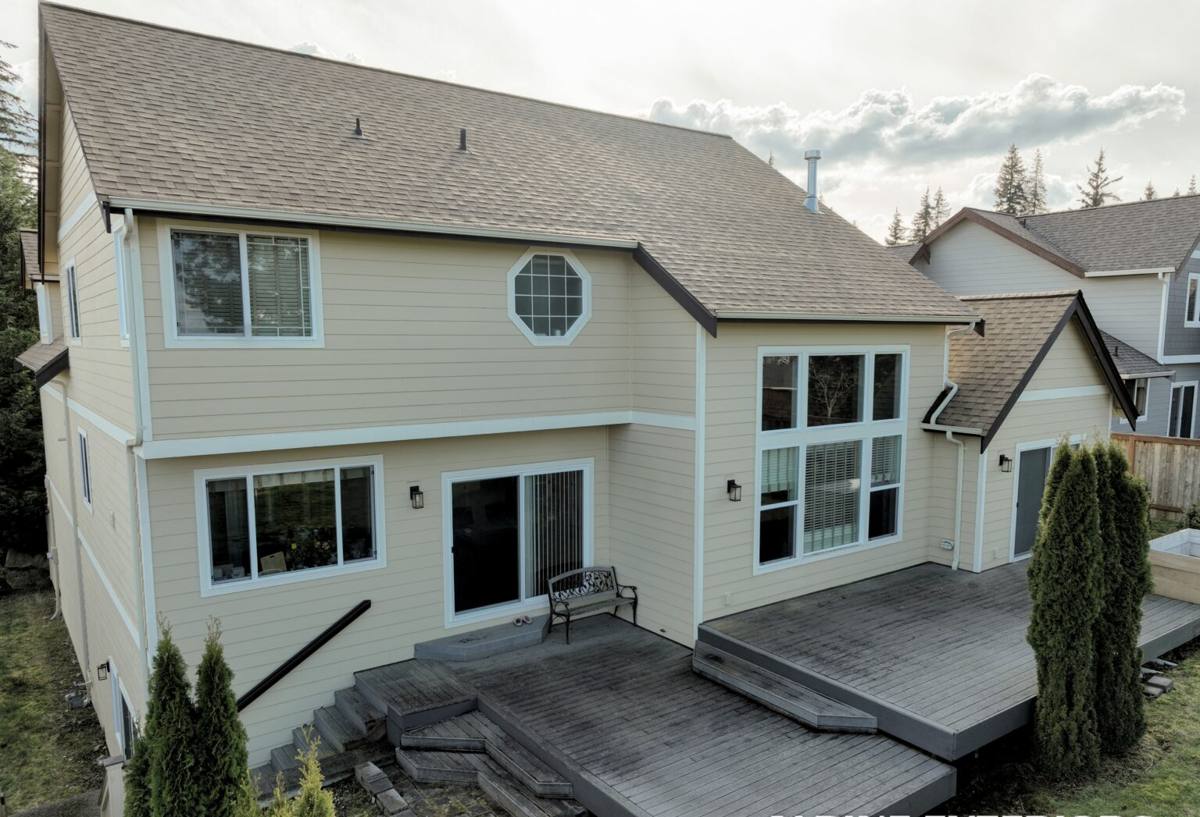
Not every aging deck needs to come out completely, but in an older neighborhood like Laurel Park, replacement is the more common and often the more honest recommendation once a few specific factors line up. The table below reflects the questions that actually drive that decision — not just how the deck looks on the surface.
| Factor | Leans Toward Repair | Leans Toward Replacement |
|---|---|---|
| Age of the structure | Built or substantially rebuilt within the last 10-15 years | Original construction decades old, or unknown build history |
| Extent of damage found | Isolated to a few boards, fasteners, or a single hardware point | Rot or corrosion spread through multiple joists, the ledger, or supports |
| Code compliance | Framing and railings already meet current standards | Undersized footings, missing hurricane hardware, or non-compliant railings |
| Material availability | Existing decking or profile can still be matched | Discontinued boards, or surface material has reached end of life |
| Layout fit | Current size and footprint still work for how it's used | Deck is undersized, awkwardly placed, or disconnected from how the home is actually lived in |
When two or three of these point toward replacement, chasing repairs usually just delays the same outcome while spending money that would have gone toward a deck built correctly the first time. We'll walk through which category your deck falls into honestly, including telling you when a repair is genuinely the better option.
What We Actually Find on Older Laurel Park Decks
The most common issue isn't cosmetic wear — it's what's underneath. Ledger connections attached with fasteners that were standard practice years ago but don't meet current corrosion or wind load requirements. Support posts set on footings that were never sized for today's code. Joist hangers that have corroded from the inside out while the decking on top still looks presentable. None of that shows up in a walk-around inspection from the yard, which is part of why replacement decisions need an actual structural look, not a guess based on the surface.
What Laurel Park's Setting Means for a New Deck
Mature Tree Canopy and Moisture Management
One thing that sets Laurel Park apart from newer subdivisions is the tree canopy — mature oaks and other established shade trees that give the neighborhood its look but also drop leaves, seed pods, and organic debris onto and under a deck constantly. That debris traps moisture against boards and framing if it isn't able to drain and dry out, which accelerates rot in wood decking and can stain or degrade lower-grade composite surfaces over time. A deck built for a shaded, tree-heavy lot needs proper gaps for airflow, drainage that doesn't dead-end under the structure, and decking material that handles standing moisture well — details that matter more here than on an open, sun-exposed lot.
Sun and Wind Exposure Still Run High
Shade from mature trees helps, but it doesn't eliminate Sarasota's UV load or its wind exposure — it just changes how they hit the deck. Partial shade combined with intense Florida sun in the openings between tree cover can actually be harder on some finishes than full, even sun exposure, because the material expands, contracts, and fades unevenly. And hurricane-force wind doesn't care how much tree cover a lot has; if anything, older trees add the risk of storm debris and falling limbs, which is one more reason framing and fasteners need to be built to hold up under real load, not just look finished.
Working Around an Older Home and Lot
Homes in this neighborhood often sit on smaller, established lots with mature landscaping close to the house, and many were built before current setback, footing, or attachment standards existed. A deck replacement here usually means working carefully around what's already there — existing landscaping, older exterior wall construction the deck ledger attaches to, and in some cases a home that falls within a recognized historic district, which can carry additional considerations for exterior work. We plan around all of that upfront rather than discovering it mid-project.
Choosing the Right Decking Material for This Climate
Material choice matters more in Sarasota's climate than in most parts of the country, because sun, humidity, and storm exposure all work against a deck surface at the same time. Here's how the main options actually compare in practice, not just on paper:
| Material | UV & Fade Resistance | Moisture Behavior | Maintenance |
|---|---|---|---|
| Pressure-treated wood | Fades and grays without regular refinishing | Absorbs moisture; needs sealing to resist rot | Highest — regular cleaning and refinishing |
| Capped composite | Good, though older/lower-grade lines can fade unevenly | Resists moisture well; won't rot | Low — periodic cleaning |
| PVC decking | Very good, holds color well over time | Doesn't absorb moisture; best for shaded, damp areas | Low — periodic cleaning |
Wood remains a reasonable choice for homeowners who want that specific look and are committed to the maintenance schedule it requires — in this climate, that generally means resealing more often than manufacturers' baseline recommendations suggest, simply because the UV and moisture load here is higher than average. Capped composite and PVC cost more upfront but hold up with far less maintenance, which is a real factor on a shaded, debris-prone lot where moisture sits against the surface longer. When we don't recommend a lower-grade composite product for a project like this, it's because of how it handles long-term moisture exposure and fastener sensitivity during installation, not because of any single failure — it's simply a standard we apply consistently for decks in this environment.
Permitting, Wind Load, and Code Requirements
Deck replacement in Sarasota County requires a building permit, and for good reason — a deck is a structural addition to the home, and it needs to be engineered to hold up against real hurricane wind loads, not just support foot traffic. A correctly built replacement deck addresses each of the following:
- Footings sized and set to the depth required for local soil conditions and wind load, not just poured to whatever the old footings happened to be
- A ledger board attachment engineered and flashed correctly where the deck meets the house — the single most common point of structural failure on older decks
- Hurricane-rated joist hangers, fasteners, and connectors suited to Florida's wind and corrosion exposure, not standard-grade hardware
- Railing height, baluster spacing, and guard construction that meet current code, especially on any elevated deck
- Stair stringers and landings sized correctly if the deck includes stairs
- A final inspection that confirms the work meets code before it's considered complete, not just visually finished
For homes that fall within Laurel Park's historic district recognition, exterior work can also involve additional review depending on visibility from the street and the specifics of the property. We handle that permitting conversation as part of the process rather than leaving it for the homeowner to sort out separately.
How Our Replacement Process Works
- On-site assessment. We look at the existing deck's structure, the home's ledger wall, the lot's drainage and tree exposure, and talk through how you actually use the space, before recommending a scope.
- Design and material selection. We help you weigh wood against composite and PVC honestly, based on your budget, how much maintenance you want to take on, and how the lot's shade and moisture conditions will treat the surface over time.
- Permitting. We handle the Sarasota County or City of Sarasota permit application and any applicable historic district review, so the project isn't held up by paperwork you weren't expecting.
- Removal and disposal. The old deck comes out completely, including framing and footings that don't meet current standards, and debris is hauled off the site.
- Framing to current code. New footings, ledger attachment, joists, and hardware are built to current wind load and corrosion standards, engineered for this environment rather than matched to whatever was there before.
- Decking, railing, and finish work. Surface material goes down, railings are installed to code, and every detail is finished to hold up under real sun and storm exposure, not just look good on installation day.
- Final inspection and walkthrough. We confirm the permit inspection is passed and walk the finished deck with you before considering the job done.
Protecting Your New Deck Long-Term
A properly built deck still needs some ongoing attention, especially on a shaded, tree-heavy lot like a lot of Laurel Park properties. A few habits go a long way:
- Clear leaves, seed pods, and organic debris off the deck surface and out from between boards regularly, rather than letting it pack in and hold moisture
- Rinse the surface periodically to remove pollen, dirt, and any residue before it works into the material
- Check railing posts and visible hardware once or twice a year, particularly after storm season, for looseness or early corrosion
- Keep gutters and downspouts near the deck clear so runoff isn't draining directly onto or under the structure
- Trim back overhanging branches enough to reduce constant debris buildup and let the deck surface actually dry between rains
- Reseal or refinish wood decking on a schedule shorter than the manufacturer's general guidance, since Sarasota's sun and humidity shorten that interval compared to cooler, drier climates
Why It Matters That We Already Work Laurel Park
A deck replacement crew that mostly works new-construction subdivisions can still do capable work here, but Laurel Park brings up questions more often than a typical new build does — how to attach a ledger correctly to an older home's exterior wall construction, how to plan footings and framing around mature tree roots and established landscaping, and what permitting actually involves when a property carries historic district recognition. Working this neighborhood regularly means we're not figuring those things out for the first time on your project. We know what to expect from the housing stock here, how the tree canopy and lot layout typically affect drainage and material choice, and how Sarasota County and City permitting works for a property like yours.
That familiarity shows up in the estimate itself — fewer surprises once work starts, because the assessment already accounts for how an older Laurel Park lot actually behaves, rather than applying a generic new-construction checklist to a property that doesn't fit one.
Get a Straight Estimate for Your Deck
Whether your deck is showing its age, failed a recent inspection, or you're just trying to figure out whether repair or full replacement makes more sense, we're glad to walk the property and give you an honest read on where things stand. Reach out below for a free, no-pressure estimate.