 Sarasota Siding
 Roof Repair on Longboat Key: A Different Kind of Roof Load
A roof on Longboat Key works harder than a roof almost anywhere else in the region. Sitting out on the barrier island between the Gulf and Sarasota Bay, homes here take a steady combination of salt-laden air, intense year-round UV exposure, wind-driven rain, and the occasional direct hit from tropical storm or hurricane winds. None of those factors are occasional inconveniences — they're constant, and they compound. A fastener that would last decades inland can corrode in a fraction of that time a few blocks from the water. A shingle mat that would hold its granules for twenty years further inland can bake and crack faster under the reflected heat and UV coming off the Gulf.
Roof repair, done correctly, has to account for all of that. It's not just patching the spot that's leaking today. It's understanding why that spot failed, whether nearby areas are on the same timeline, and what materials and techniques will actually hold up in this specific environment rather than just in a lab test somewhere inland.
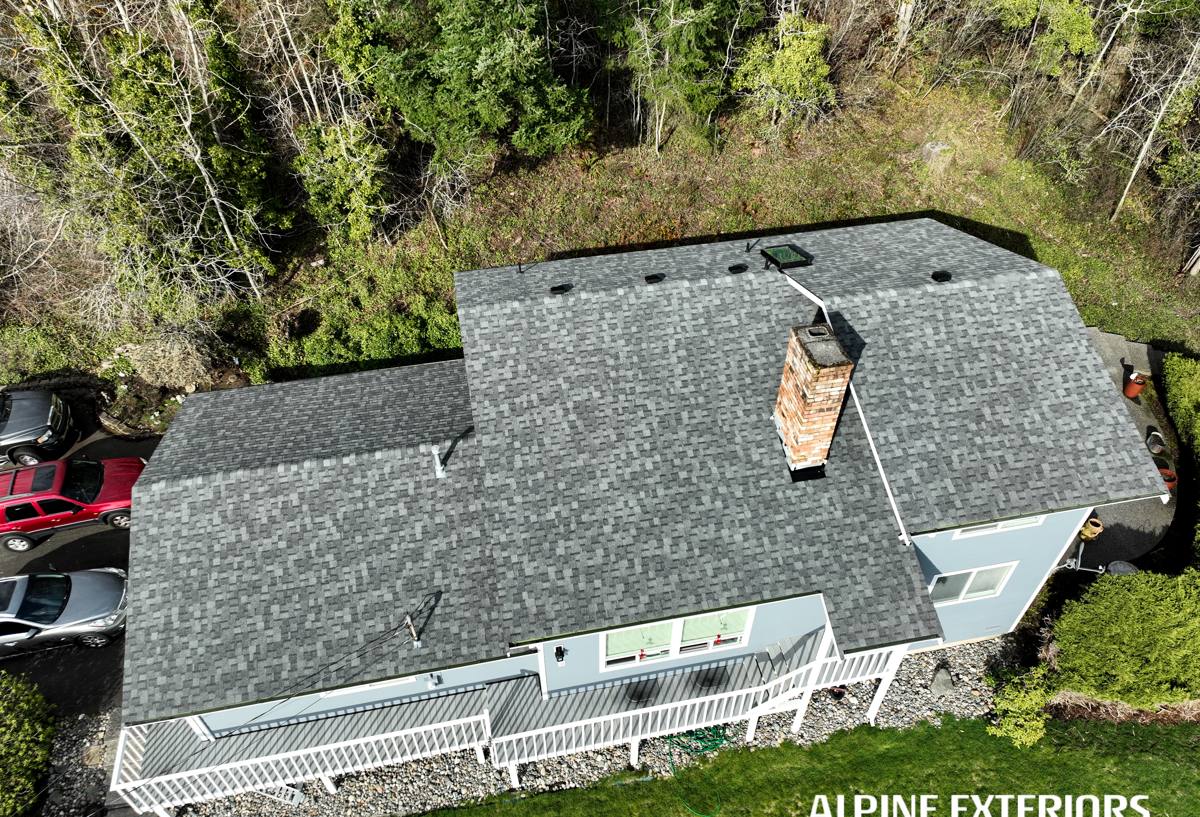
Signs a Longboat Key Roof Needs Repair, Not Just a Watchful Eye
Most roof failures don't start as a hole. They start small, and on an island roof they tend to progress faster than homeowners expect because of the constant sun and salt exposure. Worth having looked at:
- Water stains on interior ceilings or upper walls, especially near exterior walls or chimneys
- Granule buildup in gutters or at downspout outlets on shingle roofs
- Cracked, slipped, or missing tiles, or tiles that sound hollow or loose when walked near
- Rust streaks or soft spots around metal flashing, vent boots, and roof penetrations
- Visible daylight in the attic, or a musty smell that wasn't there before
- Curling, blistering, or brittle shingles that crack underfoot
- Soft or spongy decking felt through the roof surface during an inspection
Any one of these on its own might be a small, contained repair. Several together, or any sign paired with an interior leak, usually means water has already gotten past the surface layer and into the underlayment or decking — and that changes the scope of the fix.
What a Correct Repair Actually Involves
Diagnosing the Real Source, Not Just the Visible Leak
Water travels. A stain on a ceiling is very often several feet from where water is actually entering the roof, because it runs along rafters, decking, or underlayment before it finds a gap to drip through. A repair that only addresses the spot where water shows up inside the house, without tracing it back to the actual entry point, tends to fail again within a season or two.
Flashing and Penetrations
Flashing around chimneys, skylights, vent stacks, and roof-to-wall transitions is the single most common failure point on any roof, and salt air accelerates the corrosion of the metal and the breakdown of the sealants used around it. A proper repair replaces failed flashing rather than caulking over it, and uses fasteners and materials rated for coastal exposure.
Underlayment and Decking
If water has reached the underlayment or the wood decking beneath the roof covering, the surface repair is only half the job. Wet or rotted decking needs to be cut out and replaced, and underlayment needs to be restored to a continuous, sealed layer before the finish material goes back down. Skipping this step to save time is the most common reason a "repaired" roof leaks again in the next storm.
Matching the Existing Roof Covering
Whether the roof is tile, shingle, or metal, a repair should use materials that match the existing roof in profile, color, and performance as closely as possible — both for appearance and because mismatched materials can create their own water-shedding problems at the seams between old and new.
Roof Types Found on Longboat Key and Repair Considerations
The right repair approach depends heavily on what's already on the roof. Each common covering in this area has its own failure patterns near saltwater:
| Roof Type | Common Failure Points | Repair Considerations |
|---|---|---|
| Concrete or clay tile | Cracked/slipped tiles, failed underlayment beneath sound-looking tile | Tile is often reusable; underlayment beneath it frequently needs replacement even when tiles look fine |
| Asphalt shingle | UV-driven granule loss, wind-lifted edges, nail pops | Coastal-rated shingles and proper nailing pattern matter more here than inland; color-matching aged shingles gets harder over time |
| Standing seam metal | Fastener and clip corrosion, sealant breakdown at penetrations | Stainless or coated fasteners rated for salt exposure are worth the upgrade cost over standard galvanized |
| Flat or low-slope sections | Ponding water, membrane seam separation | Often found over porches or additions; needs slope and drainage checked, not just a patched seam |
How Our Repair Process Works
Inspection and Honest Diagnosis
We start by getting on the roof, not just looking at it from the ground. We check the obvious trouble spots — flashing, penetrations, valleys, roof-to-wall transitions — and we check the attic from the inside where accessible, since interior signs often tell us more about how far water has traveled than the exterior does.
A Clear, Written Estimate
Before any work starts, you get a written explanation of what we found, what's causing it, and what it will take to fix it — including whether we think a targeted repair is the right call or whether the damage has progressed to where a larger section, or the whole roof, should be discussed. We'd rather tell a homeowner a repair is enough than upsell a replacement that isn't needed yet, and we'd rather be honest that a repair won't hold if the underlying issue is too far along.
The Repair Itself
Work is scoped to fix the actual cause: removing and replacing failed flashing, cutting out and replacing damaged decking, restoring a continuous underlayment layer, and reinstalling matching roof covering material. We use fasteners, sealants, and flashing metals suited to coastal salt exposure rather than standard inland-grade materials.
Cleanup and Documentation
We clear debris, magnet-sweep for stray fasteners around the work area, and leave you with a clear record of what was repaired — useful for your own records and often requested by insurers or for future resale disclosures.
Repair vs. Replacement: What Actually Drives the Decision
Homeowners understandably want to know whether they're looking at a repair bill or a replacement project. There's no single answer, but these are the factors that actually move the needle:
| Factor | Leans Toward Repair | Leans Toward Replacement |
|---|---|---|
| Roof age relative to material lifespan | Well within expected service life | At or past the end of its expected life for the material and coastal exposure |
| Extent of damage | Isolated to one area (a valley, a penetration, a section) | Spread across multiple areas or the whole field of the roof |
| Decking condition | Sound, dry decking under the damaged area | Widespread rot or repeated wet decking in different spots |
| Underlayment condition | Underlayment elsewhere still intact | Underlayment brittle or failing across the roof, not just locally |
| Insurance and storm history | Isolated storm damage with a sound roof otherwise | Cumulative wind/hail damage documented across multiple events |
We'll walk you through where your roof falls on these points rather than defaulting to whichever answer is more profitable for us. A roof with a few good years left doesn't need to be replaced early just because it's convenient to sell that way.
Storm Damage, Wind, and Insurance
Longboat Key homes are built to Florida's coastal wind codes, but code-built doesn't mean storm-proof, and repeated exposure to tropical systems and seasonal squalls wears down even a well-built roof over time. After any named storm or significant wind event, it's worth having the roof checked even if there's no visible interior leak — wind can lift shingles or shift tiles enough to compromise the seal without an obvious gap being visible from the ground.
If you're filing an insurance claim for storm damage, documentation matters. We provide clear photos and a written description of what we find and what caused it, which supports your claim whether the outcome is a repair or a larger scope of work. We're not a public adjuster and don't represent your insurer or you in a claim dispute — our role is giving you an accurate, honest picture of the roof's condition so you can make informed decisions either way.
Maintenance That Extends the Life of a Repair
A good repair lasts longer with a little basic upkeep, especially in a salt-air environment where corrosion and UV damage don't pause. A simple maintenance routine worth keeping to:
- Keep gutters and downspouts clear so water doesn't back up under the roof edge
- Trim back overhanging branches that scrape the roof surface or drop debris into valleys
- Rinse accumulated salt spray and debris off the roof surface periodically, especially on metal roofing
- Have flashing and sealants around penetrations checked annually, not just after storms
- Walk the attic (or have it checked) after major storms for early signs of moisture
- Address small issues promptly — a loose tile or lifted shingle edge is a much cheaper fix than the decking damage it causes if ignored
Why It Matters to Hire a Crew That Already Works on Longboat Key
Roofing on a barrier island isn't identical to roofing a mile or two inland. A crew that regularly works Longboat Key and the surrounding Sarasota coastline already knows which fasteners and flashing metals actually hold up against salt exposure, understands the wind uplift concerns specific to open, exposed lots near the water, and has already seen how the local building and permitting process works for this stretch of coast. That familiarity shows up in fewer surprises, a more accurate first estimate, and repair work that's built for the environment it's actually going into rather than a generic inland spec.
It also matters for access and timing. Barrier island jobs sometimes involve tighter lots, limited parking, or bridge traffic to plan around, and a crew that's done it before builds that into the schedule instead of discovering it on arrival.
Get an Honest Look at Your Roof
If you're dealing with a leak, storm damage, or just want a straight answer on whether your roof needs a repair or something more, we're happy to come out, get on the roof, and give you a clear, written estimate with no pressure attached. Use the form below to request your free estimate.