 Sarasota Siding
 Siding Built for a Barrier Island, Not Just a Coastline
Longboat Key sits out on its own strip of sand between Sarasota Bay and the Gulf of Mexico, and that position changes what "good siding" actually means here. Homes on this barrier island don't just face weather from one direction — they get sun reflected off open water, wind that has nothing to slow it down before it hits an exterior wall, and salt-laden air moving across the property nearly every day of the year. Siding that would hold up fine ten miles inland in Sarasota County can fail years early once you put it on Longboat Key.
This page is specifically about siding replacement for Longboat Key properties — what the local climate demands, what a correctly done job looks like, and why the crew doing the work matters as much as the material itself.
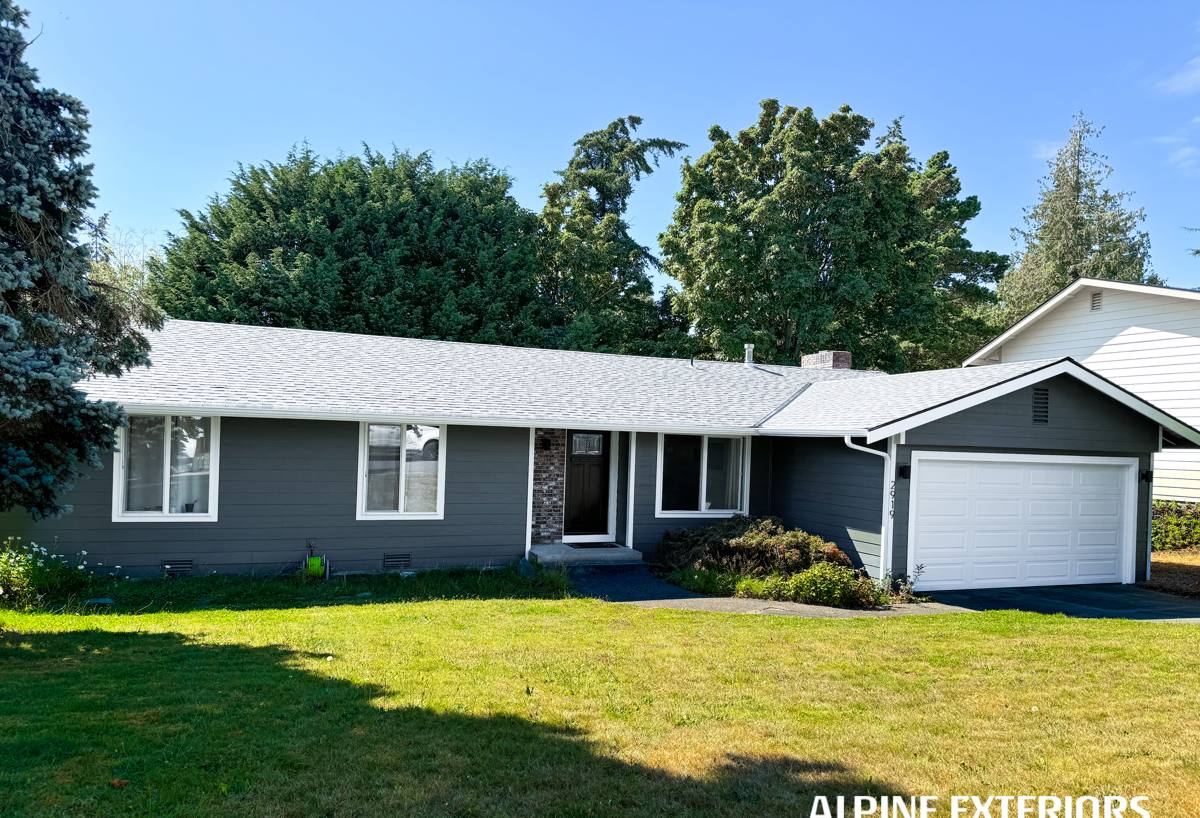
What Longboat Key's Climate Actually Does to Siding
Wind
Barrier islands take the first hit from tropical systems and seasonal storms moving off the Gulf. Sustained wind loads and gusts stress every seam, panel edge, and fastener in a siding system. Products that aren't rated for coastal wind exposure — or that were installed with shortcuts on fastening and clearances — are the ones that end up cracked, lifted, or torn loose.
UV and heat
Southwest Florida sun is intense year-round, and open water nearby means less shade cover and more reflected light hitting exterior walls. Cheaper coatings chalk, fade, and become brittle under that kind of exposure. Siding color and finish quality matter more here than in most of the country.
Wind-driven rain
It's rarely just rain on Longboat Key — it's rain pushed sideways into walls, soffits, and every horizontal joint in the siding. A siding system depends on correct lap, flashing, and water-managed installation to keep that moisture out of the wall assembly. Get any of that wrong and the damage happens behind the siding, where you can't see it until it's expensive.
Salt air
Salt corrodes metal fasteners and trim, and it accelerates the breakdown of materials that aren't formulated to resist it. On a barrier island, salt exposure is constant, not occasional — it's carried on the everyday sea breeze, not just during storms.
Signs a Longboat Key Home Needs Siding Replacement
Because of the exposure described above, siding problems tend to show up faster here than they would on a home further inland in Sarasota. Watch for:
- Cracked, warped, or buckled panels — especially on the Gulf- or bay-facing side of the home
- Soft spots or visible rot at the bottom edges of siding, near grade or window sills
- Paint or finish that's chalking, peeling, or fading unevenly
- Rust streaks running down from fasteners or trim pieces
- Gaps opening up at seams, corners, or around windows and doors
- A musty smell or discoloration on interior walls that back up to exterior siding
- Visible mold or mildew that keeps returning no matter how often it's cleaned
Any one of these can be a maintenance issue. Several at once, or anything paired with soft or spongy sheathing underneath, usually means it's time to talk about full replacement rather than another round of patching.
Why We Install Only James Hardie Fiber Cement Here
We standardized on James Hardie fiber cement siding for every home we work on, and Longboat Key is exactly the kind of environment that explains why. Fiber cement is non-combustible, dimensionally stable, and doesn't absorb and swell with moisture the way wood-based products can — which matters directly when wind-driven rain and salt humidity are part of daily life rather than the exception.
James Hardie's ColorPlus factory-applied finish is baked on and warranted against fading and chipping, which holds up better under Gulf Coast sun than field-applied paint. Hardie also engineers regional product lines (HZ5 for this climate zone) specifically for high-moisture, high-humidity coastal conditions — the formulation accounts for the kind of exposure a barrier island home actually sees, rather than a national-average climate.
We don't install vinyl, LP SmartSide, Cemplank, Allura, or primed wood siding, and we're upfront about why: each of those products has real trade-offs — moisture sensitivity, UV and impact resistance, seam and expansion behavior, or warranty structure — that we don't think hold up well against what Longboat Key throws at a home over the long run. Fiber cement, installed correctly, does.
What a Correct Siding Replacement Involves
The material is only half the equation. A siding job on a barrier-island home is only as good as the water management behind it. A correct replacement includes:
- Full removal of old siding and inspection of the sheathing underneath for hidden rot or moisture damage
- Repair or replacement of any compromised sheathing before new material goes up — never siding over a damaged wall
- A code-compliant weather-resistive barrier (house wrap) installed with correctly lapped and taped seams
- Proper flashing at every window, door, and roofline transition, so water is directed out and away from the wall assembly
- Correct fastener type, spacing, and penetration depth per James Hardie's published installation requirements — this is what gives the assembly its rated wind performance, not the panel alone
- Manufacturer-specified gaps and clearances at butt joints, corners, and ground level to allow for expansion and drainage
- Factory-finished ColorPlus panels and trim, minimizing field-painted cut edges and the maintenance that comes with them
Skip or shortcut any of these steps and you can end up with siding that looks fine from the street but fails from behind — which is the most common way siding replacement goes wrong on coastal homes.
Our Process for Longboat Key Siding Replacement
1. On-site assessment
We walk the exterior, check current siding condition, and look for signs of moisture intrusion, wind damage, or prior repair shortcuts — paying particular attention to the sides of the home most exposed to Gulf or bay wind.
2. Scope and product selection
We go over which James Hardie product line and profile fits the home, walk through ColorPlus options, and put together a written scope so there's no ambiguity about what's included.
3. Permitting
Siding replacement typically requires a permit through the appropriate Sarasota County or town building authority, and barrier-island communities often carry additional wind-rating documentation requirements. We handle that process as part of the job.
4. Tear-off and sheathing inspection
We remove the existing siding down to the sheathing, inspect for hidden damage, and address anything we find before moving forward — this step is non-negotiable on homes that have had years of coastal exposure.
5. Water management and installation
House wrap, flashing, and fastening are installed to manufacturer spec, followed by the Hardie panels or planks and trim.
6. Final walkthrough
We review the completed work with the homeowner, confirm everything matches the agreed scope, and go over basic care for the new siding.
Cost Factors for Longboat Key Siding Replacement
Every home is different, but the same handful of factors drive most of the cost variation we see on barrier-island projects:
| Factor | Why It Matters Here |
|---|---|
| Home size and wall complexity | More corners, dormers, and trim detail mean more material and labor |
| Extent of hidden sheathing damage | Salt air and past wind-driven rain intrusion can mean more repair before new siding goes up |
| Siding profile and trim package | Lap width, panel style, and trim detailing affect both material cost and install time |
| Access and site logistics | Island access, staging space, and proximity to water can affect scheduling and setup |
| Permitting and wind documentation | Barrier-island jurisdictions may require additional engineering or wind-rating paperwork |
| Removal and disposal of old siding | Volume and type of existing material affects tear-off time and disposal cost |
We give every homeowner a written estimate that breaks down scope and cost line by line — no vague lump-sum numbers.
Why Hiring a Crew That Already Works Longboat Key Matters
Siding replacement on a barrier island isn't quite the same job as siding replacement a few miles inland. A crew that regularly works Longboat Key already understands the local permitting process, knows what wind documentation the jurisdiction expects, and has planned around island access and staging before — so it doesn't turn into a surprise mid-project. Just as important, that crew has seen firsthand how fast an undersized fastener schedule, a skipped flashing detail, or the wrong product choice turns into a callback on a home this exposed. Coastal siding work rewards experience with this specific environment, not just general siding experience.
Living With New Siding in a Salt-Air Environment
James Hardie fiber cement is low-maintenance, but "low-maintenance" doesn't mean "no maintenance" on a barrier island. A few habits go a long way toward protecting the investment:
- Rinse siding periodically with a garden hose to clear accumulated salt residue, especially on sides facing open water
- Keep sprinkler heads and irrigation aimed away from siding to avoid constant wetting in one spot
- Trim back landscaping so it isn't holding moisture against the wall
- Walk the exterior after major storms and check trim, caulking, and flashing for anything that shifted
- Address caulking gaps or minor damage promptly rather than letting water find its way behind the panels
Homes that get this kind of basic attention tend to get the most out of their siding's warranted lifespan, particularly in an environment as demanding as this one.
Get a Free Estimate for Your Longboat Key Home
If your siding is showing wear, or you just want an honest read on whether replacement makes sense yet, we're glad to take a look. We'll walk the exterior, answer your questions about James Hardie products and the process, and put together a clear, no-pressure estimate — use the form below to get started.