 Sarasota Siding
 Composite Decking Built for Nokomis, Not Just Sold Here
Nokomis sits close to the water — canals, the Intracoastal, and the Gulf are never far from any home in this part of Sarasota County. That proximity is why people move here, and it's also why decks in this area fail faster than decks almost anywhere else in the country. Salt air, relentless UV, sudden downpours, and the occasional hurricane-force wind event all work on a deck at the same time, year-round. A composite deck installed correctly can handle that environment for decades. A composite deck installed the way it would be in a drier, cooler climate will show problems within a few seasons — fastener corrosion, board sagging, moisture trapped under the surface, framing that never gets to dry out. This page is about what "installed correctly" actually means for a composite deck in Nokomis specifically, and what our crew does differently because of it.
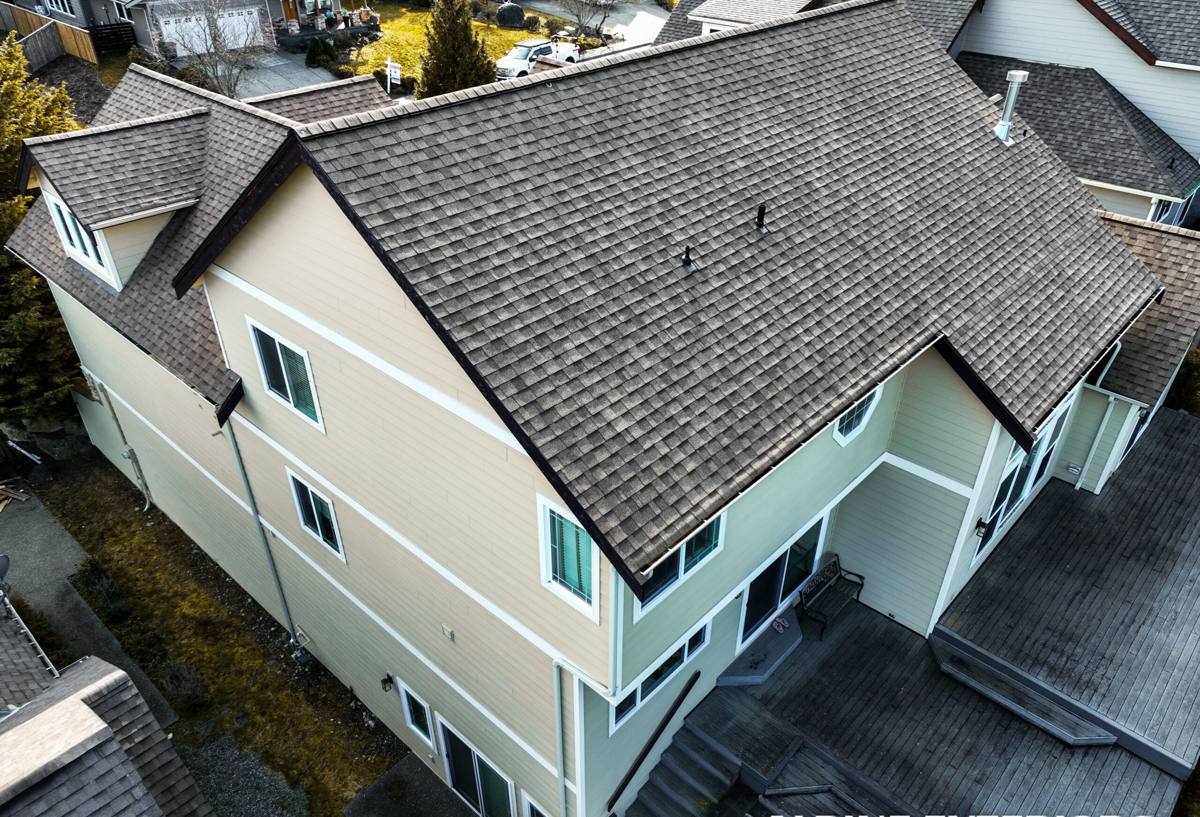
What Nokomis's Climate Actually Does to a Deck
It helps to be specific about the forces at work, because they drive nearly every decision in a good installation.
UV and Heat
Florida sun is intense and constant. Untreated or poorly capped decking fades, chalks, and can become brittle over years of direct exposure. Dark colors also absorb more heat, which matters both for board temperature underfoot and for how much the material expands and contracts through the day.
Humidity and Wind-Driven Rain
Sarasota County gets heavy, wind-driven rain, often coming in sideways during summer storms. Water finds its way under railings, around post bases, and into any gap in flashing that wasn't sealed properly. Composite boards themselves don't rot, but the wood-framed substructure underneath almost always does if moisture gets trapped against it and can't dry out.
Salt Air
Being near canals, the Intracoastal, or the Gulf means airborne salt settles on every exposed surface, including fasteners, brackets, and railing hardware. Standard hardware corrodes faster here than it would inland, which is why fastener and hardware selection matters more in Nokomis than it does thirty miles east.
Storms and Wind Uplift
Hurricane-force wind events are a real design consideration, not a hypothetical. A deck that's structurally tied into the house correctly, with proper post anchoring and blocking, holds up. One that was framed to minimum standards for a calmer climate is far more likely to rack, loosen, or fail during a major wind event.
What a Correct Composite Deck Installation Involves
The composite boards on top get most of the attention, but they're the easiest part to get right. The substructure underneath is where most deck problems actually start.
Substructure and Framing
Joists, beams, and posts need to be sized and spaced for both the load and the span, with attention to how composite decking behaves differently from wood — most composite products require tighter joist spacing than solid lumber, and manufacturer span tables have to be followed, not guessed at. We use pressure-treated or naturally resistant framing lumber and detail it so water sheds away rather than pooling against connections.
Ledger Attachment and Flashing
Where a deck attaches to the house is the single most common source of long-term water damage. Proper flashing — installed in the correct order relative to the house's existing weather barrier — keeps water from tracking behind siding and into the wall framing. This is a step that's easy to shortcut and expensive to fix later, since the damage is hidden until it isn't.
Fasteners and Hardware
In a coastal environment, we specify stainless steel or coated fasteners rated for corrosion resistance, along with hidden fastener systems where the product allows it. Hidden fasteners also give a cleaner surface with no exposed screw heads to loosen, corrode, or catch bare feet.
Ventilation and Drainage
Composite decking needs airflow underneath to manage moisture and heat. We keep the structure off grade where possible, maintain gaps for drainage, and avoid enclosing the underside in ways that trap humidity against the framing.
Expansion Gaps
Composite boards expand and contract with heat more than most homeowners expect, especially in direct Florida sun. Board spacing, picture-frame borders, and butt joints all have to account for that movement, or you end up with boards that buckle or gap unevenly within a year or two.
Composite Board Options: What We Install and Why
Not all composite decking is built the same way, and the differences matter more in a coastal climate than they would somewhere drier and cooler.
| Type | What It Is | Coastal Fit |
|---|---|---|
| Capped composite | Wood-fiber composite core with a protective polymer cap on all sides | Strong moisture and fade resistance; our default recommendation for most Nokomis homes |
| Uncapped composite | Wood-fiber and plastic blend with no protective outer layer | More prone to moisture absorption and fading in intense sun; we generally steer clients away from this for waterfront or full-sun decks |
| PVC (cellular vinyl) | 100% synthetic, no wood fiber content | Excellent moisture resistance since there's no wood fiber to absorb water; can run hotter underfoot in dark colors |
We walk every homeowner through this trade-off directly rather than pushing one product line. Capped composite tends to be the best balance of cost, appearance, and coastal durability for most projects. Full PVC is worth the added cost for decks that see constant direct sun or sit right at the water. We don't install uncapped composite or non-marine-grade hardware on waterfront or full-sun jobs — not because those products are worthless everywhere, but because our standard is a deck that holds up to this specific climate without the homeowner having to babysit it.
Permits, Flood Zones, and Wind Requirements
Decking work in Sarasota County typically requires a permit, and homes closer to the water may fall within flood zone regulations that affect how a structure can be built or attached. Wind load requirements also apply to framing and connections, particularly for elevated decks and railings. We handle the permitting and inspection process as part of the job rather than leaving it to the homeowner, and we build to the wind and connection standards that apply in this county — not a generic national minimum.
Our Installation Process
- On-site assessment — we look at the existing structure (if there is one), the ledger attachment point, drainage, sun exposure, and proximity to water or salt air.
- Design and material selection — board type, color, railing system, and fastener specification based on the site conditions, not a one-size-fits-all default.
- Permitting — drawings and permit submission handled on our end.
- Demo, if replacing an existing deck — old decking and, if needed, framing removed and hauled off.
- Framing and flashing — substructure built or reinforced, ledger flashing installed or corrected.
- Decking installation — boards laid with correct spacing, fastening, and expansion allowances.
- Railings and finish details — hardware installed to coastal-rated standards.
- Final walkthrough and inspection — we cover care and maintenance specific to your board choice before we consider the job done.
What Affects the Cost of a Composite Deck in Nokomis
Every project is different, but the same handful of factors drive most of the price difference between jobs.
| Factor | Why It Matters |
|---|---|
| Deck size and shape | More square footage and more corners, angles, or curves mean more material and labor |
| Height off grade | Elevated decks need more substantial framing, footings, and often railings |
| Board type | Capped composite and PVC cost more upfront than uncapped composite, but require far less long-term upkeep |
| Existing structure condition | Demo and framing repair on an old deck adds cost beyond a straightforward new build |
| Railing and fastener system | Coastal-rated hardware and hidden fastener systems cost more than basic exposed-fastener setups |
| Site access | Waterfront and tight-lot access can add labor time for material handling |
We give straightforward, itemized estimates so you can see where the cost is actually going, rather than a single lump number.
Maintaining a Composite Deck in a Coastal Climate
Composite decking is lower-maintenance than wood, but "low-maintenance" doesn't mean "no maintenance," especially this close to the water. A periodic rinse to clear salt residue and organic buildup, prompt attention to any standing water or debris in corners and against railings, and an annual check of fastener and hardware condition go a long way toward getting the full lifespan out of the material. We explain the specific care routine for whichever board product you choose, since manufacturer cleaning recommendations vary.
What to Look for in a Nokomis Decking Contractor
Coastal decking work rewards experience with this specific set of conditions. Before hiring anyone for a composite deck project in this area, it's worth checking for a few things:
- Proper licensing and insurance for structural exterior work in Sarasota County
- A clear explanation of how they'll flash and seal the ledger attachment to your house
- Willingness to specify stainless or coated fasteners and hardware, not standard exterior-grade
- Knowledge of local permitting and any flood zone or wind load requirements that apply to your property
- A written estimate that breaks out materials, framing, and labor rather than one flat number
- Manufacturer-backed warranty documentation for the specific board product being installed
- References or completed work you can actually see, not just photos
A crew that regularly works in Nokomis and the surrounding Sarasota County coastline already knows which details can't be skipped here. That familiarity shows up in fewer callbacks and a deck that's still solid ten summers from now.
Ready to Talk Through Your Deck?
If you're weighing a new composite deck or need to replace one that's showing its age, we're happy to come take a look, walk the property, and give you a straightforward estimate — no pressure, no pushy sales pitch. Use the form below to get started.