 Sarasota Siding
 Why Nokomis Homes Need a Different Approach to Siding
Nokomis sits along the Gulf Coast in southern Sarasota County, and that location comes with a specific set of demands most siding products were never designed to handle. Homes here face salt-laden air blowing in off the water, long stretches of intense subtropical sun, wind-driven rain during summer storms, and the real possibility of hurricane-force wind loads. Any exterior cladding installed in this pocket of Florida is signing up for a harder job than the same product would face in a drier, milder climate further north.
That combination is why we install fiber cement siding, and specifically James Hardie fiber cement, on the homes we work on in and around Nokomis. It's not a generic recommendation we give everywhere — it's a response to what this specific stretch of coastline actually does to a house over time.
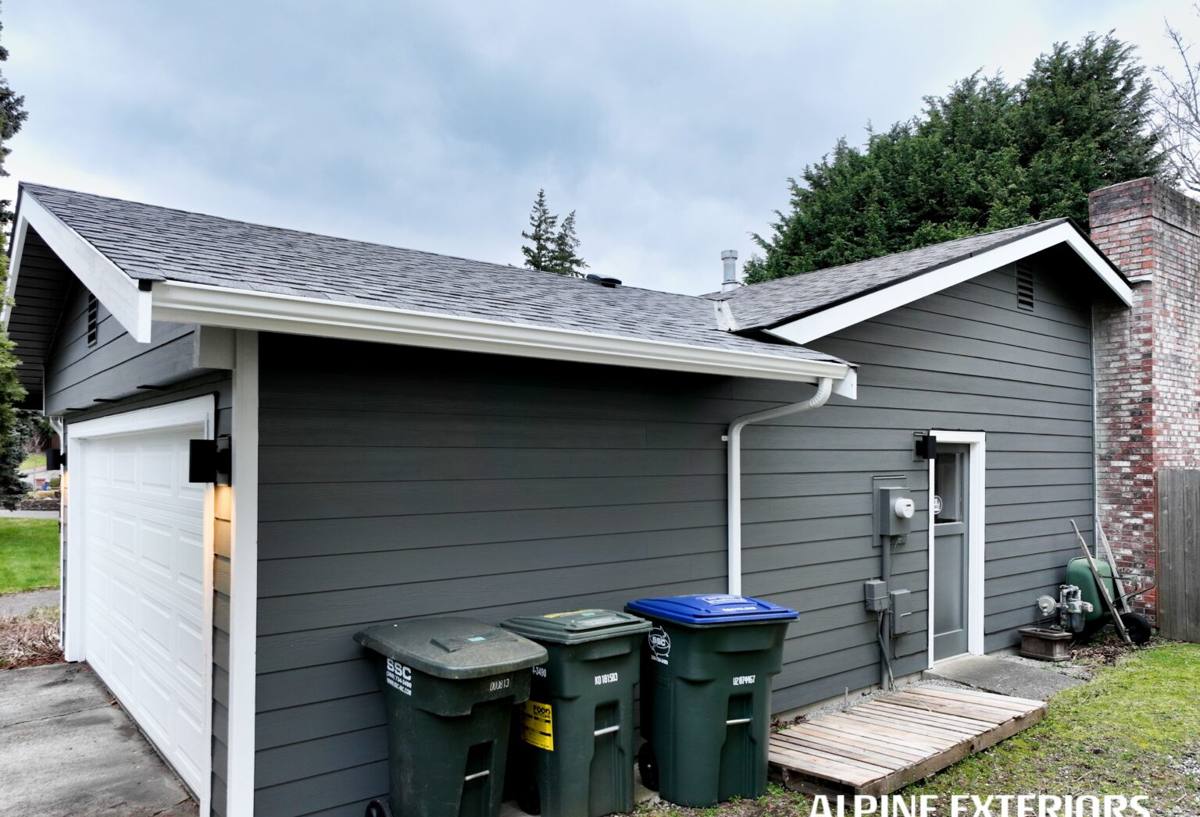
What Nokomis's Climate Actually Does to a House
Salt Air and Humidity
Proximity to the Gulf means airborne salt settles on exterior surfaces year-round, and Sarasota County's humidity keeps that salt film damp more often than not. Wood-based products absorb moisture readily under those conditions, which accelerates rot, swelling, and paint failure. Fiber cement doesn't behave the same way — it's not organic material, so it doesn't feed the fungal growth that turns humid, salty air into a slow rot problem on wood siding and trim.
UV Exposure
Florida sun is relentless almost every month of the year. Site-applied paint on wood or engineered wood siding chalks, fades, and breaks down under that UV load faster than most homeowners expect, often needing repainting well ahead of the schedule a paint can promises. A factory-applied finish designed to resist UV breakdown holds its color and integrity far longer under the same exposure.
Wind and Wind-Driven Rain
Sarasota County sits in a hurricane-prone corridor, and Nokomis's coastal position means wind-driven rain is a regular feature of summer weather, not just a hurricane-season concern. Siding here has to shed water that's being pushed sideways into wall assemblies, not just falling straight down. That makes correct flashing, drainage planes, and fastening patterns just as important as the siding material itself.
Why We Install Only James Hardie Fiber Cement
We made a decision early on to install one siding system on the homes we work on: James Hardie fiber cement. We don't install vinyl, LP SmartSide or other engineered wood products, Cemplank, Allura, or primed spruce and cedar. That's a deliberate professional standard, not a lack of options.
Each of the alternatives has real strengths — vinyl is inexpensive and easy to install fast, engineered wood is lighter to handle, cedar has genuine natural appeal. But in a coastal, high-UV, storm-exposed climate like Nokomis's, those products carry trade-offs we're not willing to put our name behind:
- Vinyl can warp, crack, or blow off in sustained high winds, and it has limited fire resistance compared to fiber cement.
- Engineered wood products depend heavily on sealed edges and disciplined maintenance to resist moisture intrusion — a single missed step during installation or upkeep creates a long-term problem.
- Primed spruce and cedar require an ongoing paint and caulk maintenance schedule that most homeowners underestimate, especially under heavy coastal UV and humidity.
James Hardie fiber cement is non-combustible, engineered specifically for humid climates through its HZ5 product line, and finished at the factory with ColorPlus Technology — a baked-on finish that resists fading and chipping far better than field-applied paint. It's backed by a strong, transferable limited warranty when installed to Hardie's specifications. That's the product we're willing to stand behind on a Nokomis home.
What Correct Fiber Cement Installation Involves
Fiber cement siding is only as good as the installation behind it. A rushed or generic install can undercut every advantage the product offers, especially in a wind- and moisture-exposed area like Nokomis. A correct job includes:
Weather-Resistant Barrier and Flashing
A properly lapped weather-resistant barrier goes on before any siding, with flashing detailed around every window, door, and penetration so wind-driven rain has nowhere to get behind the cladding.
Correct Fastening for Wind Zones
Fastener type, spacing, and embedment need to match Hardie's published requirements for the local wind exposure category — this is what keeps siding attached and intact when storm-force gusts hit, and it's an area where corner-cutting shows up fastest.
Proper Clearances
Hardie specifies minimum clearances from grade, roofing, decks, and other abutting surfaces so water can drain away from the siding's bottom edge instead of wicking up into it. Skipping these clearances is one of the most common causes of premature failure on any fiber cement job, not just Hardie's.
Joint and Seam Treatment
Butt joints, corners, and trim intersections have to be sealed and detailed correctly to keep the assembly watertight — this is detail work that separates a durable install from one that develops leaks within a few seasons.
Our Process for Nokomis Projects
We approach every siding project in Nokomis the same structured way:
- On-site assessment — we look at your home's current siding condition, wall assembly, and any moisture or storm damage already present before recommending a scope of work.
- Product and color selection — we walk you through Hardie's plank, shingle, and panel options and ColorPlus color palette so the finished look fits your home and neighborhood.
- Preparation — removal of old siding, inspection and repair of sheathing, and installation of a compliant weather-resistant barrier.
- Installation to spec — siding, trim, and flashing installed to James Hardie's published fastening, clearance, and joint requirements for your home's wind exposure.
- Final walkthrough — we review the completed work with you and confirm everything meets both our standards and manufacturer specifications.
Fiber Cement vs. Other Siding Options for This Area
| Factor | James Hardie Fiber Cement | Vinyl | Engineered Wood / Cedar |
|---|---|---|---|
| Wind resistance | Rated for high-wind zones when installed to spec | Can crack or detach in sustained high winds | Adequate if fastened correctly, but panels are lighter |
| Moisture/rot resistance | Non-organic, engineered for humid climates (HZ5) | Doesn't rot, but seams can trap moisture behind it | Vulnerable to rot if finish or sealing fails |
| UV/finish durability | Factory-baked ColorPlus finish resists fading | Can fade and become brittle over time | Field-applied paint fades and chalks faster |
| Fire resistance | Non-combustible | Combustible, can melt or warp near heat | Combustible |
| Maintenance | Periodic cleaning; repaint only if desired, not required | Low maintenance, but limited repair options | Regular repainting and caulking required |
Signs Your Current Siding Is Losing the Fight
Homeowners in coastal Sarasota County neighborhoods like Nokomis often live with early warning signs longer than they should because the damage is gradual. Worth checking for:
- Soft or spongy spots when you press on wood or engineered wood siding, especially near the bottom courses
- Paint that's chalking, peeling, or has faded unevenly across sun-exposed walls
- Visible gaps, warping, or buckling in panels after storm season
- Staining or streaking that suggests water is tracking behind the siding rather than off of it
- Caulk lines that have cracked or pulled away from trim and joints
What Fiber Cement Siding Costs to Consider
Fiber cement typically costs more upfront than vinyl and can be comparable to or somewhat more than engineered wood, depending on the product line and trim details chosen. The trade-off is a longer service life, a factory finish that doesn't need repainting on the same schedule as wood-based products, and a strong transferable warranty — all of which reduce the total cost of ownership over the years you own the home. We'll walk through specific product lines, coverage, and a written estimate scoped to your home during a visit, rather than quoting broad numbers that don't reflect your actual project.
Why a Crew That Already Works Nokomis Matters
Coastal Sarasota County isn't a uniform environment — a home a few blocks from the water faces heavier salt exposure than one further inland, and lot elevation, tree cover, and exposure to prevailing wind all affect how a siding job should be detailed. A crew that regularly works in Nokomis and the surrounding Sarasota County coastline has already seen how these variables play out on real homes, and builds that experience into clearance decisions, fastening patterns, and flashing details before a problem ever shows up. That local familiarity, paired with installation done strictly to James Hardie's specifications, is what keeps a siding job performing years after the crew has left.
If you're considering new siding for a Nokomis home, we're happy to take a look and talk through what your home specifically needs — no pressure, no obligation. Reach out using the form below for a free estimate.