 Sarasota Siding
 Why Nokomis Roofs Wear Out Faster Than Most
Nokomis sits close enough to the Gulf that salt air, wind-driven rain, and near-constant sun are simply part of daily life — not occasional events. If you've owned a home here for more than a few years, you already know that a roof rated for "20-30 years" on paper rarely gets there in this climate. The combination of intense year-round UV exposure, hurricane-force wind events, and salt-laden humidity works on a roof from multiple directions at once, and it doesn't take a named storm to do the damage.
UV breaks down asphalt shingles and the oils that keep them flexible, making them brittle years before their rated lifespan. Wind-driven rain finds any weak point in flashing, fasteners, or underlayment and pushes water sideways and upward, not just down. Salt air accelerates corrosion on exposed metal — nails, vents, flashing, gutters — long before the shingles themselves fail. None of this means your roof is doomed early. It means the roof needs to be built and installed correctly for this specific environment, not just installed to a generic national standard.
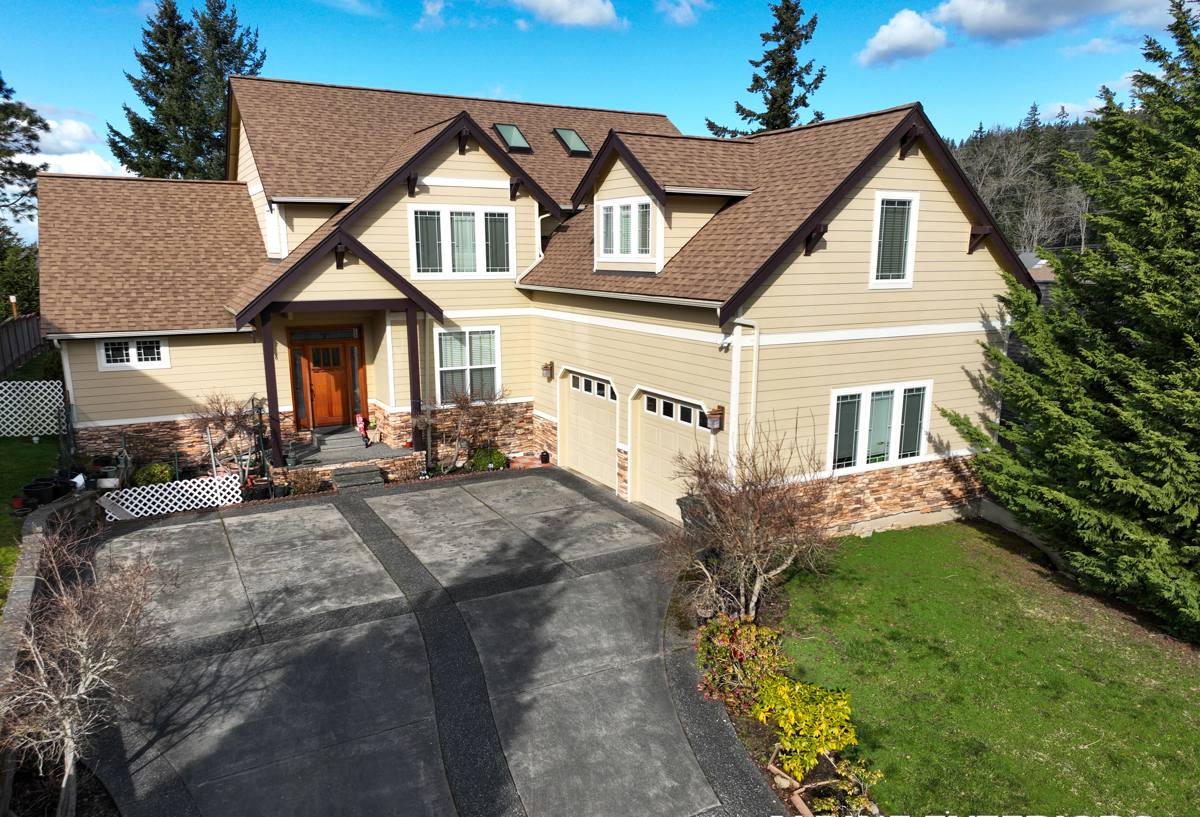
Signs a Nokomis Roof Needs Replacement, Not Another Repair
Roof repair has its place, and a good contractor will tell you honestly when a repair is the right call. But there's a point where patching individual problems costs more over time than doing the job right once. Common signs we look for on Sarasota County homes include:
- Granule loss heavy enough that shingles look patchy or bald in sun-exposed areas
- Multiple past repairs in different spots, rather than one isolated issue
- Soft or spongy decking felt underfoot in the attic or during inspection
- Curling, cupping, or cracked shingles, especially on south- and west-facing slopes
- Visible daylight through the roof deck from inside the attic
- Rusted or lifting flashing around vents, chimneys, and roof-to-wall transitions
- A roof older than 15-18 years that has never been fully re-underlayed
If you're seeing two or more of these at once, that's usually a sign the roofing system as a whole — not just the visible shingles — has reached the end of its useful life.
Insurance and Age Also Matter
Many Florida insurers now require roof age documentation, and some will decline or non-renew coverage on roofs past a certain age regardless of visible condition. If your policy renewal has come with a roof inspection request or a wind mitigation questionnaire, that's often the real trigger for homeowners in this area to move on replacement, separate from any visible damage.
What a Correct Roof Replacement Actually Involves
A roof replacement done right is a system, not a single product swap. Shingles get the attention because they're what you see, but in a coastal wind-and-rain environment like Nokomis, the layers underneath and the details around penetrations matter just as much — often more.
Tear-Off and Deck Inspection
A full tear-off exposes the plywood or OSB decking underneath. This is the point where hidden problems — soft spots, old leaks, rotted sections — get found and fixed before anything new goes down. Skipping this step, or only doing a partial tear-off, is one of the most common shortcuts that leads to problems later.
Underlayment
This is the water barrier between your decking and shingles, and in a wind-driven-rain climate it's arguably the most important layer of the whole system. Self-adhering (peel-and-stick) underlayment creates a sealed surface that resists wind-driven rain intrusion far better than older felt products, particularly around nail penetrations.
Flashing and Penetrations
Every vent, pipe boot, chimney, and roof-to-wall intersection is a potential entry point for water. New flashing, properly integrated with the underlayment (not just caulked over old metal), is a detail that separates a durable job from one that leaks within a few years.
Fastening for Wind
Florida Building Code sets minimum nailing patterns and fastener requirements based on wind zone, and Sarasota County's coastal exposure puts Nokomis in a higher-wind category than inland areas. Correct nail count, placement, and starter strip installation directly affect how well a roof performs in a wind event — this is not an area to cut corners on labor time.
Ventilation
Proper attic ventilation keeps shingles cooler (extending their life under intense UV) and helps prevent moisture buildup that can rot decking from the inside. It's often overlooked because it's invisible from the ground, but it affects how long the rest of the system lasts.
Roofing Material Options for Nokomis Homes
There's no single "best" roofing material for every home — it depends on your budget, your home's structure, HOA rules if applicable, and how long you plan to stay in the home. Here's an honest comparison of the main options we install and discuss with homeowners in this area:
| Material | Wind Performance | Typical Lifespan Here | Notes |
|---|---|---|---|
| Architectural (dimensional) asphalt shingles | Good, when installed with correct nailing pattern and rated for high wind | 15-20 years in this climate | Best balance of cost and performance for most homes; wide color/style range |
| 3-tab asphalt shingles | Lower wind rating than architectural | 12-15 years in this climate | Lower upfront cost but shorter service life under coastal sun and wind |
| Metal (standing seam or coated panel) | Excellent, among the highest wind ratings available | 30-40+ years | Higher upfront cost; reflects UV well, holds up strongly to salt air when properly coated and fastened |
| Concrete or clay tile | Excellent when properly fastened; individual tiles can crack from impact | 30-50 years for the tile; underlayment usually needs replacement sooner | Common on higher-end Florida homes; heavier, requires structural compatibility check |
For many Nokomis homeowners, architectural shingles remain the practical choice — they meet current wind code requirements when installed correctly and offer strong value. Homeowners planning to stay long-term or who want to minimize future re-roofing often look seriously at metal given how well it handles both UV and wind over decades.
Florida Building Code, Permits, and Wind Mitigation
Roof replacements in Sarasota County require a permit, and the work is inspected against the current Florida Building Code wind provisions for our zone. This isn't paperwork for its own sake — code minimums here (fastening schedules, underlayment type, edge and starter details) exist specifically because of the wind loads this area sees. A contractor who treats the permit and inspection process as a formality, rather than a real quality check, isn't doing you any favors.
Wind Mitigation Inspections
Once your new roof is in, a wind mitigation inspection documents the upgrades you now qualify for — hip roof shape, secondary water barrier, roof-to-wall connections, and more. Many homeowners see a real reduction in their windstorm insurance premium after a properly documented replacement. It's worth asking your contractor whether they provide documentation that supports this inspection.
How Our Roof Replacement Process Works
We keep the process straightforward and communicate at each stage, because a roof replacement is disruptive enough without surprises.
- On-site inspection and estimate. We look at the current roof, attic, and decking condition, discuss material options, and give you a clear written estimate — no pressure, no vague allowances.
- Material selection and scheduling. Once you choose a material and color, we order product and schedule the work, factoring in weather windows common to our storm season.
- Permit and site prep. We pull the required Sarasota County permit and protect landscaping, driveways, and pool areas before work begins.
- Tear-off and deck repair. Old roofing comes off, decking is inspected, and any damaged sections are replaced before anything new goes down.
- Underlayment, flashing, and installation. New underlayment, flashing, and roofing material go in following manufacturer specs and Florida wind-rated fastening requirements.
- Cleanup and magnetic nail sweep. Full site cleanup, including a magnetic sweep for stray nails around the property.
- Final inspection and walkthrough. We walk the finished roof with you, confirm the county inspection passes, and provide documentation for your insurer if applicable.
Why Hiring a Crew That Already Works in Nokomis Matters
Roofing code, permitting, and inspection processes vary by county, and a crew unfamiliar with Sarasota County's specific requirements can slow a project down or miss details local inspectors expect to see. Beyond paperwork, a crew that's worked coastal Sarasota County homes has a practical feel for how this environment actually behaves — where salt corrosion tends to show up first, which flashing details matter most on older Nokomis homes, and how to sequence a job around our summer storm pattern instead of getting caught mid-tear-off when weather rolls in.
There's also a simple accountability factor: a contractor who works consistently in your area has a reputation here to protect, and is easy to reach if a question comes up after the job is done.
Questions to Ask Before You Sign a Roof Replacement Contract
- Is the estimate itemized (materials, labor, permit, disposal) or a single vague number?
- Does the price include a full tear-off, or is this a layover?
- What underlayment type is specified, and is it rated for wind-driven rain?
- Are flashing and pipe boots being replaced, or reused?
- What is the manufacturer's wind rating on the shingle or material being quoted?
- Is the contractor licensed and insured in Florida, and can they provide proof?
- Who pulls the permit — the homeowner or the contractor?
- What warranty covers workmanship, separate from the manufacturer's material warranty?
A contractor who answers these clearly and in writing, without hesitation, is generally a good sign. Vague answers on any of these points are worth pausing on before you commit.
Caring for a New Roof in a Salt-Air Environment
A correctly installed roof still benefits from basic upkeep in this climate. Keep gutters and valleys clear of debris so water moves off the roof instead of sitting against shingles or flashing. Trim back overhanging branches that hold moisture against the roof surface and drop debris after storms. After any major wind event, a quick visual check — or a call to us for a look — can catch a lifted shingle or damaged flashing before it turns into an interior leak. None of this is heavy maintenance, but a little attention goes a long way toward getting the full service life out of a roof in a coastal environment like this.
If your Nokomis roof is showing its age, was flagged during an insurance inspection, or you just want an honest assessment of where it stands, we're happy to take a look. Reach out for a free, no-pressure estimate using the form below.