 Sarasota Siding
 Why Siding Fails Faster in Nokomis
Nokomis sits on the Gulf side of Sarasota County, close enough to the water that salt air, wind-driven rain, and intense sun all reach a home's exterior on a near-daily basis. That combination is harder on siding than inland weather. Salt-laden air accelerates corrosion on fasteners and trim. Afternoon storms push rain sideways into seams and laps that were never designed to take water head-on. Year-round UV exposure bakes paint and caulk until they crack, chalk, or pull away from the substrate. None of this shows up overnight — it shows up as a soft spot behind a downspout, a bubbled seam near a window, or a section that's suddenly a shade lighter than the rest of the wall.
Siding repair in this environment isn't just about patching what's visibly broken. It's about understanding why that spot failed first, because the same conditions that damaged one panel are working on every other panel on the house.
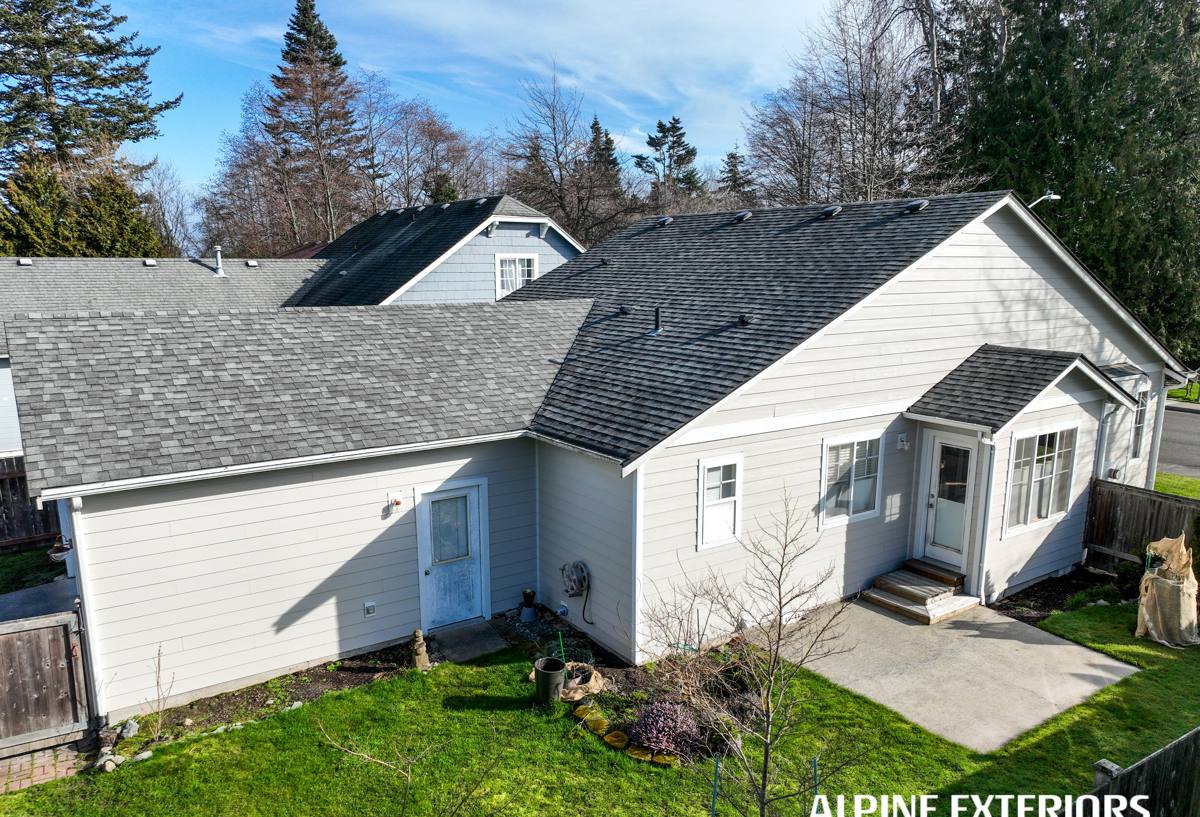
Signs Your Siding Needs Repair Now
Catching damage early is the difference between a targeted repair and a full section replacement. Walk your exterior a few times a year and look for:
- Soft, spongy, or bubbling siding, especially near the ground, under windows, or below roof valleys
- Cracked, curling, or missing caulk at joints, corners, and trim edges
- Visible gaps or separation at seams where panels meet
- Discoloration, staining, or a chalky residue that wipes off on your hand
- Rust streaks running down from fasteners or metal flashing
- Panels that flex, rattle, or feel loose when you press on them
- Peeling or bubbling paint that keeps returning after touch-ups
- Any damage tied to a recent storm — even minor dings can be entry points for water
If you're seeing more than one or two of these, it's worth having someone look at the whole elevation, not just the spot that caught your eye.
What's Actually Causing the Damage
Wind-Driven Rain
Sarasota County's storms rarely fall straight down. Wind pushes rain horizontally into vertical seams, window trim, and butt joints — the exact places where siding systems rely on lapped installation and sealant to keep water out. Once water gets behind a panel, it doesn't dry out quickly in Florida's humidity, and that trapped moisture is what leads to soft substrate, mold, and rot in the wall assembly behind the siding.
Salt Air
Being near the Gulf means airborne salt settles on every exterior surface, including fasteners, trim screws, and any exposed metal flashing. Salt accelerates corrosion, and a corroding fastener eventually loses its grip or stains the siding around it. It also degrades lower-quality caulks and paint finishes faster than they'd wear inland.
UV and Heat Cycling
Florida sun is intense and constant. UV breaks down pigment and resin in paint and caulk, causing chalking, fading, and cracking. Add in daily heat-up-and-cool-down cycles, and materials that aren't engineered for this expand and contract repeatedly, which stresses joints, fasteners, and any factory finish that wasn't built to hold up in this climate.
Storm Impact
Wind-borne debris during tropical storms and hurricane-force events can crack, dent, or tear siding outright. Even when the damage looks cosmetic, an impact can compromise the water-shedding function of that panel and the ones around it.
What a Correct Repair Involves
Diagnose Before You Patch
The most common mistake in siding repair is treating the symptom instead of the cause. Replacing a damaged panel without checking the substrate, flashing, and moisture barrier behind it just means the same failure comes back in a year or two. A proper repair starts with opening up the damaged area enough to see what's underneath — is the sheathing dry and solid, or has water been sitting there for months?
Match the Material and Finish
Siding fades and weathers over time, so a patch using new material next to old will often stand out unless it's planned for — matching profile, reveal, and as close a color match as the existing finish allows. On Hardie ColorPlus-finished homes, this is more straightforward because the factory finish is consistent and formulated for UV stability, which is one reason we prefer working on and repairing that system.
Rebuild the Water Management, Not Just the Surface
Flashing, house wrap, and proper lapping are what actually keep water out — the visible siding is the last line of defense, not the only one. Any repair that doesn't restore correct flashing and drainage behind the panel is a cosmetic fix, not a real one.
Fasten and Seal for Coastal Wind
Repairs in this part of Sarasota County should be fastened and sealed to hold up against high wind loads, not just look good on installation day. That means corrosion-resistant fasteners, correct nailing patterns, and sealants rated for sustained sun and salt exposure.
Repair vs. Replacement: How We Decide
| Situation | Usually Repairable | Usually Needs Replacement |
|---|---|---|
| Damage extent | Isolated to one or two panels/sections | Spread across multiple elevations |
| Substrate condition | Dry, solid sheathing behind the damage | Soft, rotted, or water-stained sheathing |
| Age of siding | Newer system, still within its service life | Original finish already failing broadly (fading, chalking, warping) |
| Cause | Single storm impact or isolated flashing failure | Systemic moisture intrusion or long-term product failure |
| Material match | Matching product/finish still available | Discontinued product, poor match possible |
We'll always tell you honestly which category your home falls into. A repair that's going to fail again in a year isn't a favor to anyone.
Why We Repair With James Hardie
We install and repair James Hardie fiber cement siding exclusively — we don't work in vinyl, LP SmartSide, Cemplank, Allura, or wood siding, including on repair jobs. That's a deliberate standard, not a limitation. Fiber cement doesn't rot, doesn't feed insects, and is non-combustible, which matters in Florida's heat and storm exposure. Hardie's HZ5 product line is specifically engineered for high-humidity, storm-prone climates like ours, and the factory-applied ColorPlus finish is formulated to resist UV fading and salt exposure far better than field-applied paint. When we patch or replace a section, we're tying it into a system that's proven to perform here — not introducing a second product with different moisture behavior into your wall.
This also means repairs age consistently with the rest of your siding instead of becoming the one section that fails again first.
Our Nokomis Repair Process
- On-site inspection of the damaged area and a check of surrounding sections for related wear
- Opening the affected area to assess sheathing, flashing, and moisture barrier condition
- Honest recommendation: targeted repair, section replacement, or a note that it's fine to monitor
- Written estimate before any work begins, with the repair scope spelled out
- Removal of damaged material and correction of any underlying flashing or water-management issue
- Installation of matched Hardie material, fastened and sealed to coastal standards
- Final walkthrough so you can see exactly what was done and why
What Siding Repair Typically Costs
Repair costs vary widely based on scope and what's found once we open up the damage. Rather than quote a number that doesn't apply to your situation, here's what actually drives the cost:
| Cost Factor | Why It Matters |
|---|---|
| Size of the damaged area | More linear footage means more material and labor |
| Substrate damage | Rotted sheathing behind the siding adds carpentry work beyond the siding itself |
| Height and access | Second-story or hard-to-reach sections take longer and need more equipment |
| Color match | Custom or discontinued colors may require repainting a larger section for consistency |
| Underlying cause | A one-time impact costs less to fix than a systemic flashing failure affecting multiple areas |
We give a firm written estimate after inspecting the actual damage, not a phone quote based on guesswork.
Why Local Experience in Nokomis Matters
A crew that already works in this part of Sarasota County knows what coastal exposure does to siding here specifically — which elevations take the worst of the wind-driven rain, how salt air behaves this close to the Gulf, and what fastening and flashing details actually hold up through hurricane season rather than just meeting minimum code. That experience shows up in the diagnosis, not just the install: knowing where to look for hidden moisture damage before it becomes a bigger problem, and knowing which repairs will actually last through another storm season versus which ones are just a temporary patch.
If you're seeing damage, discoloration, or storm impact on your siding, we're happy to take a look and give you a straight answer on what it needs. Reach out for a free, no-pressure estimate — we'll tell you honestly whether it's a simple repair or something more.