 Sarasota Siding
 Osprey Roofs Face More Than the Average Florida Roof
Osprey sits on Sarasota County's Gulf Coast, close enough to open water that salt air, wind-driven rain, and hurricane-force gusts are part of daily life for every roof in the area — not just the ones closest to the water. A roof built for a landlocked climate simply doesn't hold up out here. New roof installation in Osprey has to account for three things at once: sustained coastal wind loads, some of the most intense year-round UV exposure in the continental U.S., and the slow corrosive effect of salt-laden humidity on metal fasteners, flashing, and vents.
Wind Is the First Design Constraint, Not an Afterthought
Sarasota County sits within Florida's High-Velocity Hurricane Zone influence area, which means new roofing work is governed by wind-uplift requirements well above what most of the country builds to. Every layer of a correct installation — deck attachment, underlayment, fastening pattern, edge metal — is chosen and installed with wind resistance as the starting point, not a box to check at the end.
UV Breaks Down Materials From the First Day
Florida's sun is harder on roofing than most manufacturers' national warranties assume. Asphalt shingles lose granules and oils faster here, underlayment degrades quicker if it's exposed even briefly during installation, and dark-colored roofing surfaces run hotter, which accelerates aging of everything underneath them.
Salt Air and Wind-Driven Rain Attack the Details
Most roof failures near the coast don't start in the field of the roof — they start at the edges, penetrations, and fasteners, where salt air corrodes exposed metal and wind-driven rain finds any gap in flashing or sealant. A new roof installed without coastal-grade fasteners and properly lapped, sealed flashing will show problems years before the roofing material itself is worn out.
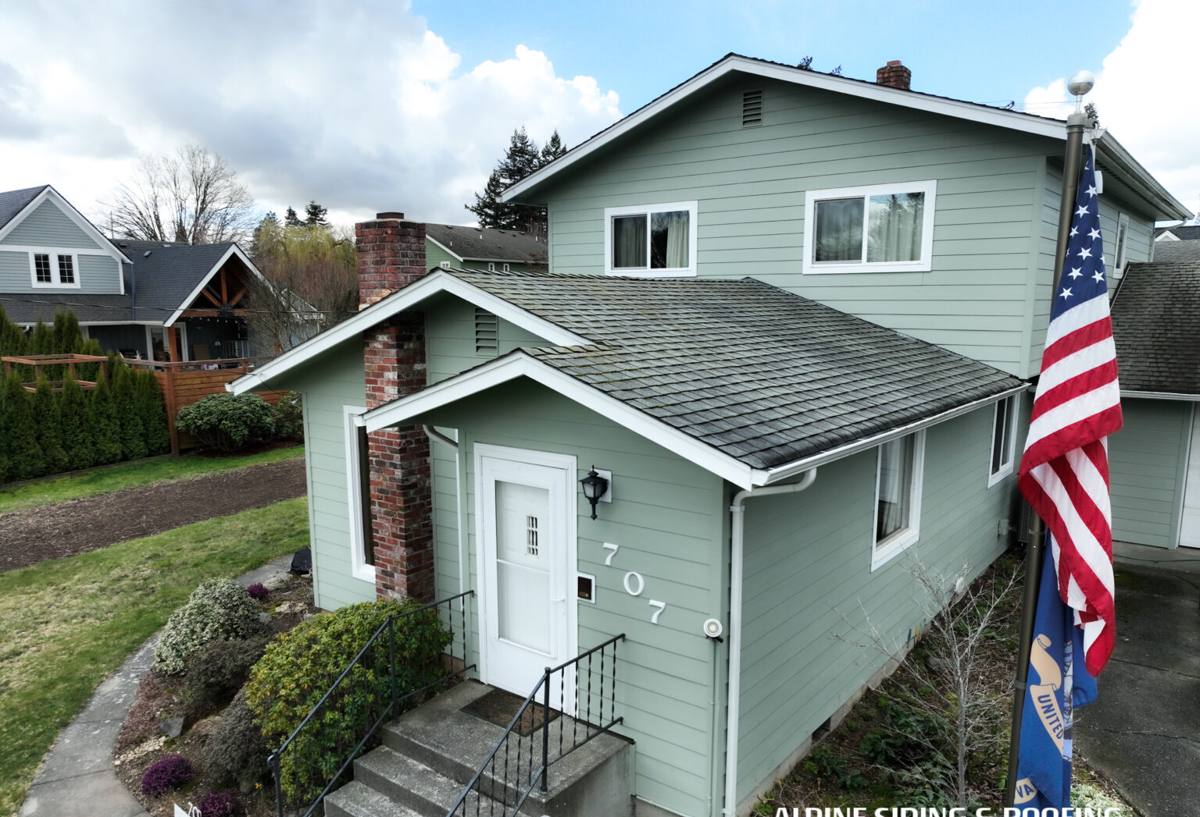
Signs an Osprey Home Needs a New Roof, Not Another Repair
Repairs make sense when a roof has isolated damage and years of usable life left. Full replacement makes sense once the roof's underlying systems — decking, underlayment, flashing — are compromised broadly enough that patching one area just shifts the problem somewhere else.
- Shingles that are cupping, curling, or losing granules across large sections rather than one spot
- Soft or spongy decking felt underfoot, especially near valleys or roof-to-wall transitions
- Repeated leaks in different locations after past repairs
- Visible daylight through the attic decking or boards, or persistent musty attic odor
- A roof approaching or past its material's realistic service life, especially if it's never been re-roofed
- Rusted, lifted, or missing flashing around chimneys, skylights, or wall intersections
- Difficulty getting affordable insurance coverage or a wind mitigation credit on the current roof
If a home is showing two or more of these at once, a licensed roofer should evaluate the whole system before spending more money chasing individual leaks.
What a Correct New Roof Installation Actually Involves
Full Tear-Off and Deck Inspection
A proper new roof starts with removing the old roofing down to the deck — not layering over it. That's the only way to find rotten or delaminated plywood, undersized or corroded deck fasteners, and hidden water damage from years of small leaks. Any compromised decking gets replaced before anything new goes down; skipping this step is the single most common shortcut behind early roof failures.
Underlayment and a Sealed Deck
Once the deck is sound, it gets a synthetic or self-adhering underlayment system rated for the local wind and moisture exposure, with special attention to sealing every fastener penetration. In a coastal wind zone, the underlayment is effectively the roof's last line of defense if wind ever lifts or damages the outer covering, so it isn't treated as a formality.
Flashing, Vents, and Penetrations
Every place the roof plane is interrupted — chimneys, skylights, plumbing vents, wall-to-roof transitions — is where coastal roofs actually fail. Correct flashing means new metal (not reused old flashing), proper step-and-counter flashing at walls, and sealant applied as a backup, not as the primary defense.
Fastening and Wind-Rated Attachment
Fastener spacing, nail or screw type, and edge-metal attachment are all specified to meet Florida Building Code wind-uplift requirements for the home's location and roof geometry. This is where a coastal installation differs most from a generic one — the fastening schedule is tighter, and corrosion-resistant fasteners are used throughout rather than standard hardware.
Roofing Material Options for Osprey Homes
There's no single "best" roofing material for coastal Sarasota County — the right choice depends on the home's structure, budget, and how long the owner plans to stay in it. Here's an honest comparison of the main options we install:
| Material | Typical Lifespan | Coastal Wind Performance | Maintenance |
|---|---|---|---|
| Architectural asphalt shingle | 20–30 years | Good, with high-wind rated products and proper fastening | Low; periodic inspection after storms |
| Concrete or clay tile | 40–50 years | Very good when installed with correct fastening and underlayment | Low; occasional underlayment renewal mid-life |
| Standing seam metal | 40–60 years | Excellent uplift resistance with concealed fasteners | Very low; watch for fastener and sealant wear over decades |
Whichever material fits the home, the underlayment, flashing, and fastening details matter more to how the roof performs in a storm than the visible surface material alone.
Permits, Florida Building Code, and Wind Mitigation
New roof installation in Sarasota County requires a permit and inspection — this isn't optional paperwork, it's how the county confirms the roof meets current wind-uplift and moisture-barrier code. A licensed contractor pulls the permit, schedules inspections, and builds the roof to pass them, which protects the homeowner if there's ever an insurance claim or a future sale.
A new roof is also the best time to get a fresh wind mitigation inspection. Insurers offer meaningful premium credits for verified features like a sealed roof deck, hip roof geometry, and impact-rated or wind-rated roof coverings — features that are far easier to document accurately right after installation than years later.
Our Installation Process, Step by Step
- On-site inspection and honest assessment of whether repair or replacement makes sense
- Written estimate covering material options, scope, and realistic timeline
- Permit pulled with Sarasota County before any work begins
- Tear-off, deck inspection, and replacement of any compromised decking
- Underlayment, flashing, and roof covering installed to current wind-uplift code
- Site cleanup, including magnetic sweep for stray nails and debris removal
- Final county inspection and paperwork, including documentation for wind mitigation credits
Why a Crew That Already Works Osprey Matters
A roofer who works Osprey and the surrounding Sarasota County coastline regularly already knows which fastening schedules and material specs actually hold up here, understands the county's permitting and inspection process without a learning curve, and isn't guessing at how a design performs against real coastal wind and salt exposure. That familiarity shows up in fewer surprises during the project and a roof that performs the way it's supposed to when the next storm season arrives.
Protecting Your Investment After Installation
A correctly installed roof still benefits from basic upkeep in this climate. Keep gutters and valleys clear so water doesn't pool or back up under roofing material. Have the roof looked at after any major storm, even if there's no visible interior leak — coastal wind can lift shingles or shift flashing without an obvious sign from the ground. Trim back overhanging branches that drop debris or hold moisture against the roof surface. None of this is heavy maintenance, but skipping it is how small issues on a new roof turn into bigger ones years before they should.
What Drives the Cost of a New Roof in Osprey
| Cost Factor | Why It Matters |
|---|---|
| Roof size and pitch | More surface area and steeper slopes take longer and require more material and safety setup |
| Decking condition | Rotten or delaminated plywood found at tear-off adds material and labor to replace |
| Material choice | Asphalt shingle, tile, and metal carry different material and labor costs per square |
| Roof complexity | Valleys, dormers, skylights, and multiple penetrations add flashing work and time |
| Wind-rating requirements | Meeting current code fastening and underlayment specs adds material cost over minimum-code work |
Because these factors vary so much home to home, we don't quote a new roof without seeing it — a fair estimate has to be based on the actual roof, not a generic per-square number.
If your Osprey home's roof is showing its age or you just want a straight answer on repair versus replacement, we're happy to take a look and walk you through the options. Use the form below to request a free, no-pressure estimate.