 Sarasota Siding
 Osprey's Roofs Work Harder Than Most
Osprey sits along the Gulf Coast in Sarasota County, which means every roof in the neighborhood is dealing with a combination of stresses that inland homes never see. Hurricane-force winds during storm season can lift shingles and tiles that look perfectly fine from the ground. Intense, near-constant Florida sun breaks down roofing materials from the top down, drying out asphalt and degrading sealants years before their rated lifespan. Add wind-driven rain that finds its way under flashing and around vent boots, plus the slow corrosive effect of salt air on fasteners and metal components, and you have a roof that ages faster here than it would almost anywhere else in the country.
Because of that, roof repair in Osprey isn't just about patching what's obviously broken. It's about understanding how these specific stresses interact — a small wind-lifted shingle combined with UV-brittled sealant and a few years of salt exposure can turn into a real leak much faster than homeowners expect.
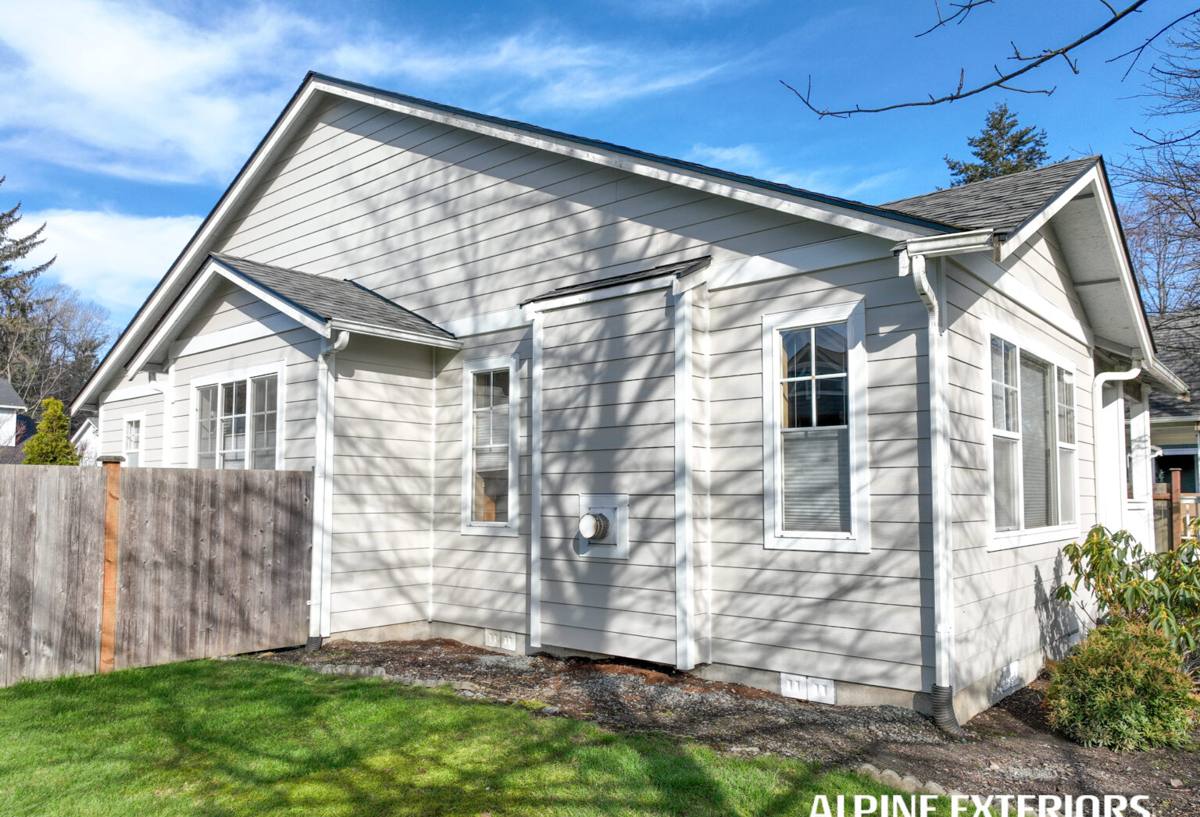
Signs an Osprey Roof Needs Repair Now, Not Later
Roof problems in this climate rarely announce themselves loudly at first. Most homeowners notice a small, easy-to-miss sign long before there's an active leak inside the house. Catching these early is what keeps a repair a repair, instead of turning it into a much larger project.
- Granules collecting in gutters or at downspout outlets (a sign shingles are breaking down from UV exposure)
- Cracked, curling, or lifted shingle edges, especially on roof faces that catch prevailing wind
- Tiles that look slightly out of alignment or shifted after a storm
- Rust streaking near metal flashing, vent stacks, or fastener heads
- Soft spots or discoloration on ceilings, particularly after heavy rain
- Visible gaps or lifted sealant around chimneys, skylights, or roof penetrations
- Missing or damaged ridge cap pieces after high wind events
- A musty smell in the attic, which often shows up before any visible ceiling stain
If any of these sound familiar, it's worth having someone look at the roof before the next storm system moves through — not after.
What a Correct Repair Actually Involves
A proper roof repair is more than sealing the spot where water is currently getting in. That approach treats the symptom, not the cause, and in a climate like this the same problem tends to resurface within a season or two. A repair done right traces the water's actual path, which is often several feet from where the stain or drip shows up inside.
Shingle Roofs
On asphalt shingle roofs, a correct repair means replacing damaged shingles with matching material (not just caulking over cracks), reseating or replacing lifted nails, and checking the underlayment beneath the damaged section for saturation. If the felt or synthetic underlayment underneath has already absorbed water, patching the shingles alone won't stop the leak.
Tile Roofs
Tile repair requires care that a lot of general handyman work doesn't account for — tiles are brittle, and walking on them incorrectly can crack ones that were perfectly fine before the repair started. A correct tile repair means removing and resetting tiles properly, checking the battens and underlayment underneath (which is where most tile roof leaks actually originate), and matching replacement tiles closely enough that the repair doesn't stand out.
Metal Roofs
Metal roof repairs in a salt-air environment center on fastener condition and seam integrity. Corroded or backed-out screws need to be replaced with the correct gasketed fasteners, not just tightened, and seams or panel overlaps need to be checked for the kind of movement that opens a path for wind-driven rain.
Flashing and Penetrations
Across every roof type, flashing around chimneys, skylights, vent stacks, and roof-to-wall transitions is one of the most common failure points we find. Flashing failure is rarely dramatic — it's usually a slow separation that lets water in during wind-driven rain specifically, which is why leaks in Osprey often only show up during or right after a storm.
Our Repair Process
We keep the process straightforward because homeowners deserve to know exactly what they're paying for and why.
- Inspection: We examine the roof surface, flashing, penetrations, and — when accessible — the attic side to see if there's already moisture intrusion beyond the visible damage.
- Honest diagnosis: We explain what's actually failing and why, including whether the issue is isolated or a sign of broader wear that will need attention soon.
- Written scope and estimate: You know what's being repaired, with what materials, and what it costs before any work starts.
- The repair itself: Matching materials where possible, proper fastening for wind resistance, and correct flashing and sealant work — not shortcuts that fail again in a year.
- Final check: We confirm the repair area and surrounding roof sections are sound, not just the original problem spot.
Common Repair Scenarios We See in Osprey
| Issue | Typical Cause Here | What a Correct Fix Involves |
|---|---|---|
| Leak after a windstorm | Wind-lifted shingles/tiles or flashing separation | Locate the actual entry point, replace/reseat materials, renew flashing seal |
| Granule loss / bald patches | Years of intense UV breaking down asphalt | Replace affected shingles; assess whether it's isolated or roof-wide aging |
| Rust at fasteners or flashing | Salt air corrosion | Replace with corrosion-resistant fasteners and flashing material |
| Cracked or slipped tiles | Foot traffic, impact, or aged mortar/clips | Careful removal and reset with matching tile, batten check |
| Ceiling stain with no obvious roof damage | Flashing or underlayment failure not visible from ground | Attic-side inspection to trace the actual path before patching |
Repair vs. Replacement: How We Help You Decide
Not every roof problem calls for a full replacement, and not every repair is worth doing on a roof that's genuinely at the end of its useful life. We look at a few honest factors before recommending either direction.
| Factor | Favors Repair | Favors Replacement |
|---|---|---|
| Age of roof | Roof is well within its expected lifespan | Roof is near or past typical service life for its material |
| Extent of damage | Isolated to one section or a single cause | Widespread wear, multiple failure points across the roof |
| Underlayment condition | Dry and intact beneath the damaged area | Saturated, degraded, or failing in multiple spots |
| Storm history | Recent, single-event damage | Repeated repairs after multiple storm seasons |
| Insurance considerations | Repair addresses the covered damage adequately | Full slope or roof replacement is more appropriate for the claim |
We'll walk through where your roof actually falls on this list rather than defaulting to whichever recommendation is more profitable for us. Sometimes that means telling a homeowner a repair will hold up fine for several more years.
Why Working With a Crew That Already Knows Osprey Matters
A roofer who works across Sarasota County regularly has already seen how local wind patterns, salt exposure, and storm tracks affect roofs in this specific area — which flashing details tend to fail first, which roof orientations take the worst of prevailing storms, and which repair shortcuts don't hold up here even if they'd be fine somewhere with a milder climate. That local pattern recognition is what keeps a repair from becoming a repeat visit.
It also matters for timing. During and after hurricane season, response time on roof repairs becomes critical — a small leak left unaddressed for even a few weeks in Florida's humidity can turn into interior damage, mold, or wood rot in the decking underneath. A contractor already working in the area can typically respond faster than one coming from farther afield.
Maintenance That Extends Repair Life
A good repair should last, but a few habits help it — and the rest of the roof — hold up longer in this climate.
- Have the roof checked after any named storm or significant wind event, even if nothing looks obviously wrong
- Keep gutters and downspouts clear so water doesn't back up under roof edges
- Trim back tree limbs that can drop debris or abrade roofing material in wind
- Schedule a roof inspection roughly once a year, ideally before hurricane season ramps up
- Address small issues (a lifted shingle, a slipped tile) promptly rather than waiting for a leak
What We Won't Do
We don't recommend patch jobs that only address the surface symptom when we can see the underlying cause is more significant — that just costs you money twice. We also don't push full replacement on a roof that has years of honest service life left simply because it would be a bigger job. Our standard is telling you what the roof actually needs, in plain terms, and giving you a fair price to do it right.
If you're noticing a stain, a missing shingle, a lifted tile, or you just want a second opinion after a storm, we're happy to take a look. Reach out for a free, no-pressure estimate using the form below, and we'll give you an honest read on what your roof needs.