 Sarasota Siding
 Siding Repair in Osprey: Built for a Tough Coastal Climate
Osprey sits along the Gulf Coast in Sarasota County, close enough to the water that salt air, humidity, and storm exposure are simply part of owning a home here. Siding in this part of Florida works harder than siding almost anywhere else in the country. It absorbs direct sun for most of the year, gets pushed and flexed by hurricane-force winds during storm season, and takes on wind-driven rain that finds every gap, seam, and fastener hole a lesser installation left behind. When siding starts to fail in Osprey, it's rarely one single cause — it's usually a combination of these forces working on a weak point over time.
That's the lens we bring to every repair call in this neighborhood. A repair here isn't just patching a hole or swapping a damaged board — it's diagnosing why that section failed in the first place and making sure the fix holds up to the same conditions that caused the problem.
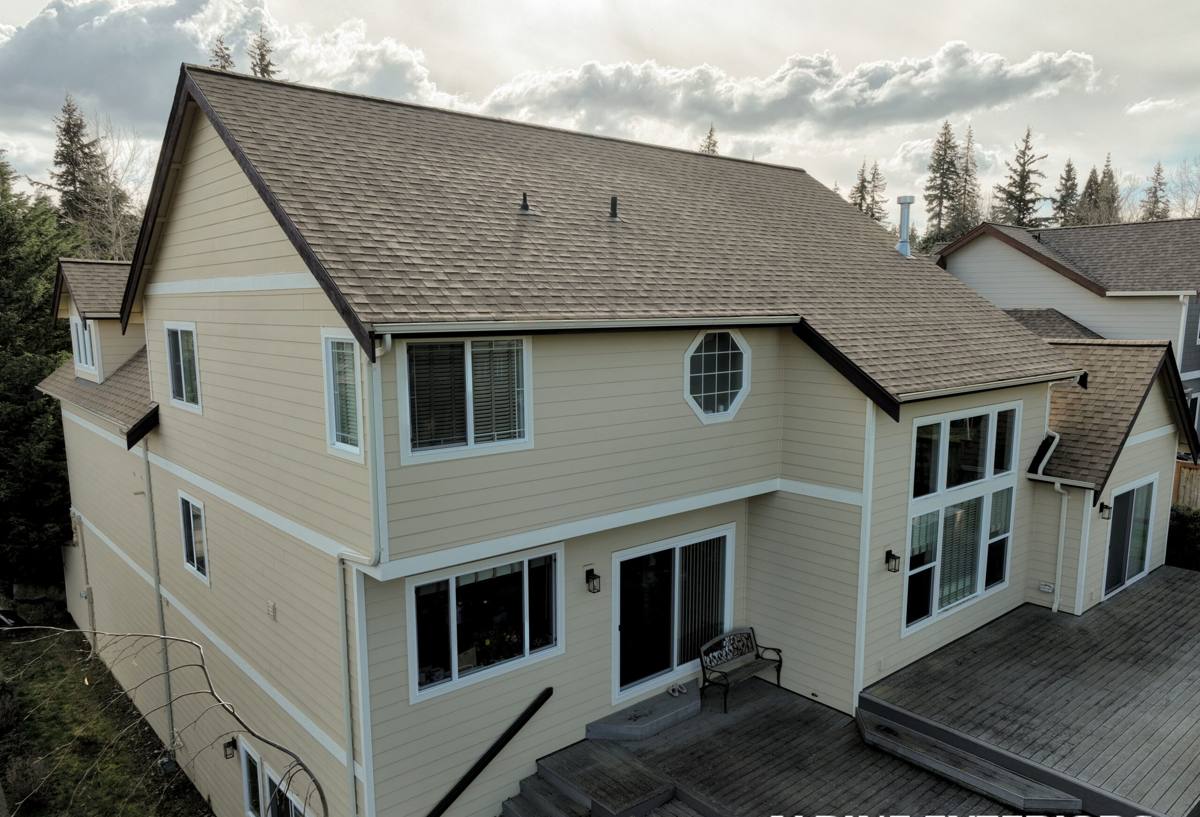
Signs an Osprey Home Needs Siding Repair
Most siding damage doesn't announce itself with a dramatic crack. It shows up as small, easy-to-miss signs that get worse with each storm season. Homeowners in Osprey should walk their exterior a couple of times a year and look for the following:
- Soft or spongy spots when you press on the siding, especially near the bottom courses and around window trim
- Visible gaps or separation at seams, corners, or where siding meets trim, soffit, or fascia
- Warping, buckling, or boards that no longer sit flat against the wall
- Paint that's peeling, bubbling, or chalking faster than expected for its age
- Streaking, dark staining, or mildew growth concentrated on one side of the house (usually the side facing prevailing wind and rain)
- Cracked or chipped panels, particularly at impact points like near gutters, AC units, or ground-level equipment
- Nail pops or fasteners backing out, leaving small dark dots across the surface
- Rising utility bills or noticeably warmer interior walls, which can point to water-compromised insulation behind the siding
Any one of these on its own might not be urgent. Several together, or any sign near a window, door, or roofline, is worth a professional look before the next named storm.
What's Actually Damaging Siding in Osprey
Wind
Sarasota County sees real hurricane-force wind events, and siding is one of the first things a storm tests. Wind doesn't just tear siding off in a single gust — repeated flexing over years loosens fasteners, stresses seams, and opens tiny gaps that widen with every subsequent storm. Siding installed without the right fastening pattern or clearances for the local wind zone will show fatigue years before it should.
UV and Heat
Florida sun is intense and constant. Lower-quality siding materials and paint systems break down under UV exposure, leading to fading, chalking, and surface degradation. Heat cycling — hot days, cooler nights, afternoon storms — also causes materials to expand and contract, which stresses joints and finishes over time.
Wind-Driven Rain and Moisture
It's not the rain falling straight down that causes the most damage — it's rain pushed sideways by wind, forced into seams, laps, and fastener holes that weren't sealed or installed correctly. Once moisture gets behind siding, it can sit against sheathing and framing for a long time before it becomes visible from outside, which is why soft spots and interior signs matter so much.
Salt Air
Being close to the Gulf, Osprey homes deal with a steady drift of salt in the air. Salt accelerates corrosion of fasteners and metal trim components, and it can degrade certain finishes faster than the same product would wear inland. Any repair in this area needs corrosion-resistant fasteners and flashing, not just a cosmetic patch.
Repair or Replace? How We Make the Call
Not every damaged section needs full replacement, but not every problem should be patched either. The right call depends on how much of the wall assembly is affected, not just what's visible on the surface.
| Situation | Likely Approach | Why |
|---|---|---|
| Isolated impact damage, sheathing dry underneath | Targeted repair | Sound material surrounding the damage, no hidden moisture path |
| Soft spots at multiple locations or one full elevation | Section or full replacement | Pattern suggests systemic water intrusion, not a one-time event |
| Fastener pops across large areas | Re-fastening or panel replacement | Often signals wrong fastener spacing or type from original install |
| Wet sheathing or framing found during inspection | Full replacement of affected section, sheathing repair | Patching over compromised structure just hides the problem |
| Cosmetic fading or chalking only, material sound | Cleaning, repaint, or ColorPlus refresh where applicable | No structural issue — a coatings problem, not a siding problem |
This is why every repair estimate we give starts with an honest inspection, not a guess from the driveway. We'd rather tell an Osprey homeowner they need a smaller repair than oversell a full replacement — and just as often, we'll tell them that what looks like a small patch job is actually hiding water damage that needs to be addressed properly.
What a Correct Siding Repair Job Involves
A repair that's done right addresses the cause of the damage, not just the visible symptom. Our process on a typical Osprey repair looks like this:
- Full exterior inspection. We check the damaged area and the surrounding wall, including trim, corners, flashing, and any penetrations (vents, pipes, fixtures) nearby.
- Probe for hidden moisture. Soft spots often mean the damage extends further than what's visible. We check sheathing condition before deciding on repair scope.
- Remove only what's compromised. We don't tear out sound material unnecessarily, but we also don't leave wet or damaged sections in place to save time.
- Repair or replace sheathing and framing if needed. Siding is only as good as what it's fastened to — a new panel over rotten sheathing fails again quickly.
- Re-flash and seal properly. Every seam, corner, and penetration gets flashed and sealed to shed wind-driven rain, not just caulked over.
- Install matching James Hardie material. We match plank profile, exposure, and color as closely as the existing siding allows.
- Fasten to spec for the local wind zone. Correct fastener type, spacing, and penetration matter more in Sarasota County than in most of the country.
- Final inspection and cleanup. We check the repair against the surrounding wall for fit and finish before we consider the job done.
Why We Only Repair and Install James Hardie Fiber Cement
Our crews don't work with vinyl, LP SmartSide, primed wood, or other fiber cement brands. That's a deliberate standard, not a limitation of what we're capable of installing. In a climate like Sarasota County's — heat, UV, humidity, salt air, and periodic hurricane-force wind — the material behind the paint matters as much as the workmanship.
James Hardie fiber cement is non-combustible, holds up to moisture exposure far better than wood-based siding products, and doesn't warp or soften the way engineered wood siding can when water gets past a seam. Its ColorPlus factory finish is baked on under controlled conditions and backed by its own finish warranty, which matters in a market where sun exposure is constant year-round. Hardie's HZ5 product line is specifically engineered for high-humidity, storm-prone climates like ours, and the company backs its products with a strong transferable limited warranty that matters to homeowners planning to sell down the road.
When we repair a section of existing Hardie siding, we're extending the life of a system that was already built for this climate. When we replace a failing section of another material with Hardie, we're not just patching a problem — we're removing the reason it's likely to keep happening.
Why Hiring a Crew That Already Works in Osprey Matters
Siding repair isn't just a materials question — it's a local-conditions question. A crew that regularly works in Osprey and the surrounding Sarasota County area already understands the wind exposure this stretch of coast sees, the permitting expectations local jurisdictions apply to exterior work, and the moisture patterns that show up again and again in homes near the Gulf. That familiarity shows up in small but important decisions: how much flashing overlap is enough, which fastener spacing actually holds under storm-force gusts, and where to look first for hidden water damage based on a home's age and orientation.
A crew unfamiliar with coastal Florida conditions can still do competent work, but they're more likely to treat a repair as a generic patch job rather than a fix engineered for what this specific climate throws at a house. That difference tends to show up two or three storm seasons later, not on day one.
What Affects the Cost of a Siding Repair
Every repair is different, but the following factors are what typically move a quote up or down. We won't quote a firm price without seeing the damage in person, but this gives a realistic sense of what to expect going in.
| Factor | Impact on Cost |
|---|---|
| Extent of hidden moisture damage | Largest single factor — sheathing or framing repair adds cost beyond siding alone |
| Size and location of damaged area | Larger areas and hard-to-access spots (upper stories, tight setbacks) take more labor |
| Matching existing siding profile and color | Older or discontinued colors may need a wider replacement area for a clean match |
| Number of affected areas | Multiple isolated repairs can cost more in aggregate than one larger, contiguous fix |
| Trim, flashing, and penetration work involved | Repairs near windows, vents, or corners require more detail work than open wall sections |
Maintaining Your Siding After a Repair
A good repair should hold up for years, but a little routine attention extends that further in this climate. We recommend the following for Osprey homeowners:
- Rinse siding periodically to remove salt residue, especially on sides facing the water or prevailing wind
- Inspect caulking and sealant at trim joints and penetrations once a year, and before hurricane season
- Trim back vegetation and irrigation spray that keeps siding consistently damp
- Watch for new soft spots after any major storm, even if no damage is visible from the ground
- Repaint or refresh finish per manufacturer guidance rather than waiting until failure is visible
These are small habits, but in a climate that never really lets up, they're what keeps a repair from becoming a recurring one.
If you're seeing any signs of siding trouble on your Osprey home, we're happy to take a look and give you an honest assessment — no pressure, no upsell, just a clear picture of what's going on and what it would take to fix it right. Use the form below to request a free estimate.