 Sarasota Siding
 Asphalt Shingle Roofing Built for Palmer Ranch's Climate
Palmer Ranch homes sit under some of the toughest roofing conditions in the country. Between hurricane-force wind events, relentless UV exposure nearly every day of the year, wind-driven rain that finds every weak seam, and salt-laden air drifting in off the Gulf, an asphalt shingle roof here works harder than the same roof would almost anywhere else in the state. A shingle roof that's installed correctly for this environment can hold up well for its full service life. One that's installed with shortcuts, or with the wrong materials for a coastal Sarasota County property, tends to show problems years before it should.
This page covers what an asphalt shingle roof needs to perform in Palmer Ranch specifically, what a correct installation actually involves, and how we approach the job from first estimate to final inspection.
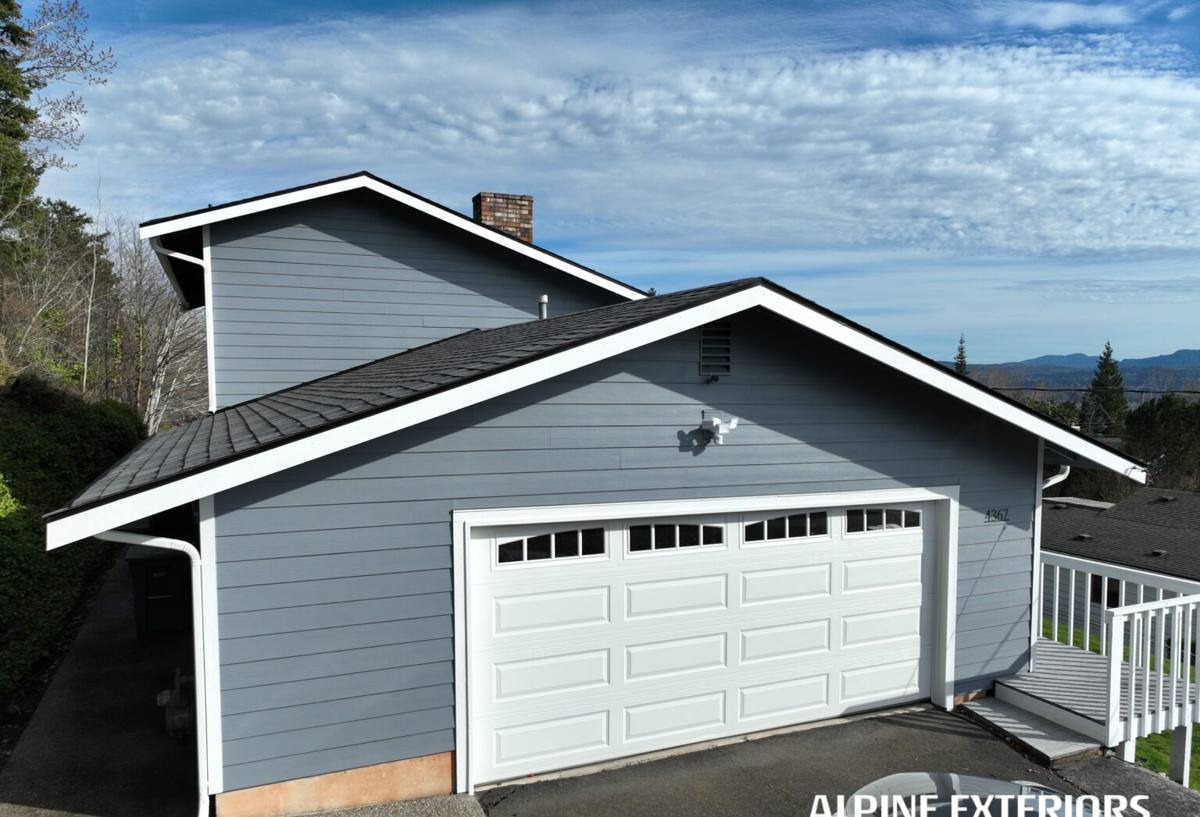
What Palmer Ranch Homes Ask of a Shingle Roof
Wind
Sarasota County sits in a wind-borne debris region, and Palmer Ranch is no exception. Shingles here need to meet wind ratings that hold up to sustained high winds and gusts, not just the baseline product sold in milder climates. The nailing pattern, fastener count, and starter strip detail matter as much as the shingle itself — most wind-related shingle failures we see trace back to installation shortcuts, not a bad product.
UV exposure
Florida sun is hard on asphalt shingles year-round, not just in summer. UV breaks down the asphalt binders over time, which is why granule loss and early brittleness are common complaints on roofs that are otherwise structurally sound. Shingle quality and proper attic ventilation both play a role in how well a roof resists this kind of aging.
Wind-driven rain
It's rarely straight-down rain that causes leaks here — it's rain pushed sideways under shingle edges, around penetrations, and into valleys during a storm. Underlayment choice and flashing detail work matter more in this climate than in places where rain falls more predictably.
Salt air
Palmer Ranch's proximity to the Gulf means metal components on a roof — flashing, drip edge, nail heads, vent stacks — are exposed to a slow, steady corrosive effect from salt in the air. Fastener and flashing material choices that would be fine well inland can corrode faster here, which is worth accounting for at installation rather than dealing with later.
What a Correct Shingle Roof Installation Involves
A shingle roof is a system, not just a layer of shingles nailed to plywood. Each layer has a job, and skipping or shortcutting one shows up as a problem down the line — usually after the labor warranty on a rushed job has already expired.
Deck inspection and prep
Before anything goes down, the roof deck itself needs to be sound. Soft spots, delamination, or water-damaged sheathing from a prior leak need to be addressed first — shingles installed over a compromised deck won't hold fasteners properly, especially under wind load.
Underlayment
In a wind-driven rain climate, underlayment is a real line of defense, not a formality. Synthetic underlayments generally offer better tear resistance and water resistance than older felt products, and self-adhering underlayment at eaves, valleys, and penetrations adds protection where water is most likely to find a way in.
Flashing and penetrations
Chimneys, skylights, plumbing vents, and wall-to-roof transitions are where most leaks actually start — far more often than in the open field of shingles. Correctly formed and sealed flashing at every one of these points is non-negotiable, and it's also the detail most likely to get rushed on a low-bid job.
Nailing pattern and fastener count
Manufacturer wind ratings only apply when the shingle is installed with the specified number of fasteners in the specified locations. In high-wind coastal areas, that often means six nails per shingle instead of four, plus correct placement — a detail that's invisible once the roof is finished but determines how it performs in the next serious storm.
Ventilation
Balanced intake and exhaust ventilation keeps attic temperatures and moisture in check, which extends shingle life and helps prevent deck rot. It also affects manufacturer warranty validity on many shingle lines.
Shingle Options for Palmer Ranch Properties
There isn't one "best" shingle for every home — it depends on budget, roof exposure, and how long you plan to be in the house. Here's how the common options compare for this climate:
| Shingle Type | Typical Wind Rating | Expected Lifespan Here | Best For |
|---|---|---|---|
| 3-tab | Lower end of the range | Shorter, given UV and wind exposure | Budget-driven projects, secondary structures |
| Architectural / dimensional | Mid to high, product-dependent | Longer than 3-tab under the same conditions | Most primary residences in Palmer Ranch |
| Impact-rated (Class 4) | Higher wind ratings, plus impact resistance | Comparable to architectural, with added storm resistance | Homes prioritizing storm resilience, potential insurance premium credit |
We'll walk through the real trade-offs for your specific roof during the estimate — upfront cost, how the insurance discount (if any) compares to the price difference, and what makes sense given your roof's slope, exposure, and how long you plan to own the home. We don't push the most expensive option by default; we tell you honestly where the extra cost does and doesn't pay off.
Our Process
- On-site inspection. We look at the deck, existing ventilation, flashing points, and overall roof condition before quoting anything.
- Written estimate. Materials, scope, and price laid out clearly — no vague allowances that turn into change orders later.
- Material selection. We help you weigh shingle line, color, and wind/impact rating against your budget and goals.
- Tear-off and deck check. Old roofing comes off, and we inspect and repair the deck before anything new goes down.
- Underlayment, flashing, and shingle installation. Installed to manufacturer spec and local wind-zone fastening requirements.
- Cleanup and final walkthrough. Job site cleared, and we walk the finished roof with you before calling it done.
Signs Your Palmer Ranch Roof May Need Attention
Most shingle roof problems give warning signs well before they turn into an active leak. Worth checking for, or having us check for you:
- Granules collecting in gutters or at downspout outlets
- Shingles that look curled, cupped, or lifted at the edges
- Missing or visibly displaced shingles after a wind event
- Dark streaking or algae growth across the roof plane
- Soft or spongy spots underfoot in the attic near the deck
- Water stains or discoloration on interior ceilings
- Exposed or corroding nail heads
- A roof approaching or past the back half of its expected lifespan
Any one of these on its own isn't necessarily an emergency, but they're worth a professional look rather than waiting for the next storm to find the weak point for you.
Why a Crew That Already Works Palmer Ranch Matters
Roofing code requirements and wind-zone fastening standards in this part of Sarasota County aren't the same as they are a hundred miles inland, and a crew that works here regularly already knows what's required without treating it as a special case. Familiarity with local permitting, common roof configurations in the area, and the specific way this coastal climate wears on materials means fewer surprises during the job and a roof that's built for the conditions it actually has to survive — not a generic install adapted after the fact.
It also matters for response time. When you need someone to look at storm damage or answer a follow-up question after the job is done, a contractor already working in your neighborhood can get to you faster than one coming from across the region.
Maintenance That Extends Roof Life Here
Asphalt shingle roofs in this climate benefit from periodic attention rather than a "set it and forget it" approach. Keeping gutters clear so water doesn't back up under the eaves, trimming back overhanging branches that drop debris and hold moisture against the shingles, and having the roof looked at after any major wind event all go a long way toward getting the full expected lifespan out of the material. Small issues caught early — a lifted shingle corner, a small flashing gap — are inexpensive to fix. Left alone through a few more storm seasons, they turn into deck damage and interior repairs.
If you're weighing a roof replacement, a repair, or just want an honest read on where your current roof stands, we're glad to come take a look. The estimate is free, there's no pressure, and you'll get a straight answer about what your roof actually needs — just fill out the form below to get started.